



For decades, the former Luján Zoo in Buenos Aires kept more than 60 animals in precarious conditions. Tigers, lions, and bears were displayed as attractions, without adequate care and with severe physical and emotional consequences. After its closure in 2020, the animals were left in limbo, awaiting a definitive solution. Among them were Florencia, Gordo, and Flora.
The intervention of Four Paws
The international organization Four Paws began its work in Argentina after rescuing tigers in San Luis. The operation revealed the magnitude of the problem: more than 200 big cats in precarious captivity in the country. In 2023, the team visited Luján and confirmed the situation of the animals, although it was not until 2025, after an agreement with the Ministry of Environment, that they could act.
In November of that year, the largest veterinary mission in Latin America for captive animals was deployed. The diagnoses were alarming: ingrown claws, fight wounds, kidney conditions, and issues requiring urgent surgeries. Additionally, deep emotional damage from years of stress and confinement was detected.
The first transfers: Florencia, Gordo, and Flora
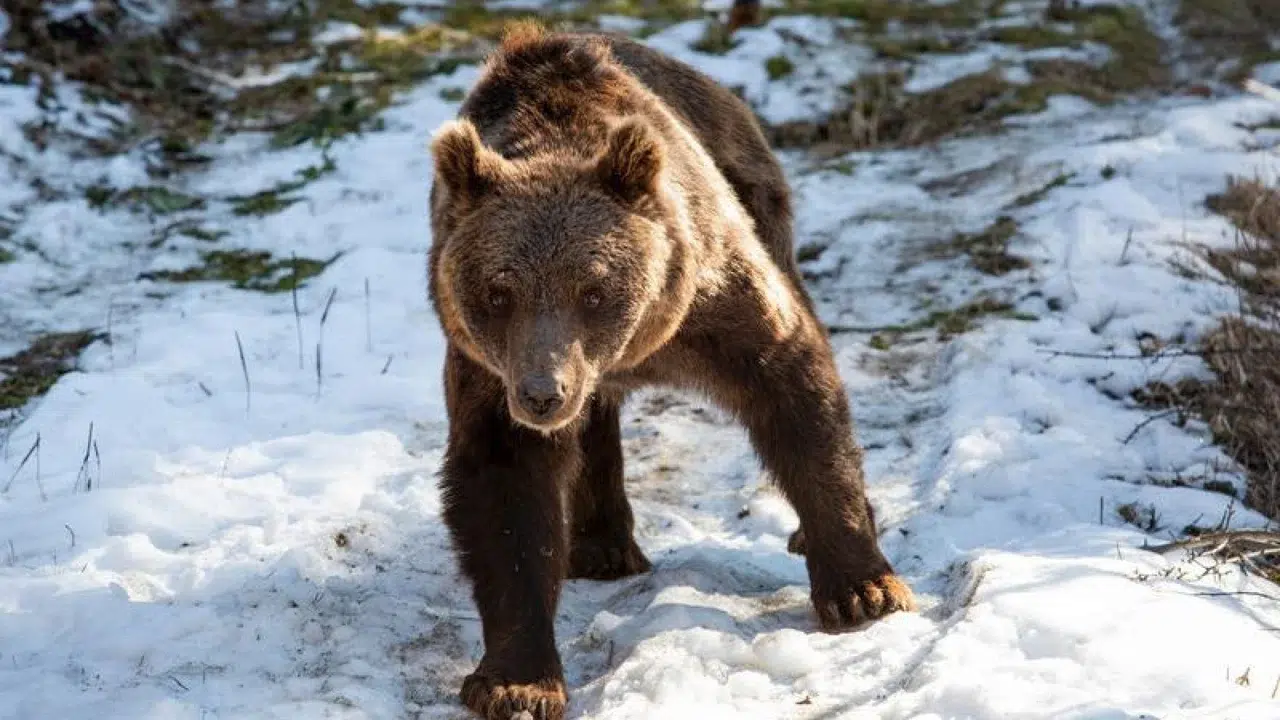
- Gordo and Florencia (bears): were prioritized due to the immediate availability of space at the Bear Sanctuary Belitsa in Bulgaria. Gordo suffered from overweight and Florencia showed signs of stress.
- Flora (tigress): lived in a small cage surrounded by aggressive animals, with ingrown claws causing constant pain. She was operated on and transferred to the Félida sanctuary in the Netherlands, specialized in cases requiring close monitoring.
The journey to freedom
The three departed at dawn from Luján to Ezeiza in transport cages.
- Flora flew directly to the Netherlands and was then transported by land to the Félida sanctuary.
- The bears traveled by cargo plane from Vienna to Frankfurt, and then by land to Sofia, Bulgaria, to finally reach the Belitsa sanctuary in the mountains.
Adaptation in the sanctuaries
- Flora: despite the fatigue from the journey, showed immediate curiosity. She explored her enclosure, stretched her claws against a tree, accepted food, and settled into her bed.
- Gordo: initially had difficulty walking on grass, as he only knew cement, but soon enjoyed the natural environment.
- Florencia: eager to get out, found fish and nuts under the snow and explored her new habitat before returning to her den.
In Belitsa, the bears share space with 19 other specimens rescued from exploitative situations, such as the former “dancing bears” of Eastern Europe. The team is evaluating the possibility of socializing Florencia and Gordo in the future.
The story of Florencia, Gordo, and Flora symbolizes a paradigm shift: from precarious captivity in Argentina to a dignified life in European sanctuaries. Their transfer marks the beginning of a process of physical and emotional rehabilitation and reinforces the importance of implementing effective policies against the exploitation of wildlife.



