



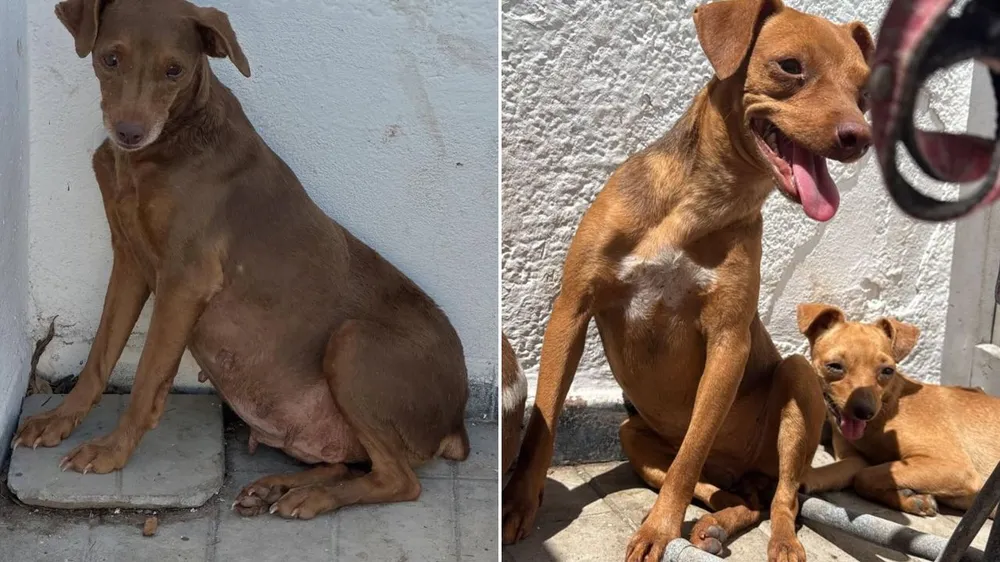
24 hours after the operation in Guaymallén, Mendoza, details began to emerge about the recovery of 81 dogs rescued from an illegal breeding facility. Most were of the Miniature Pinscher breed.
Additionally, the animals lived in extremely unsanitary conditions in a house in the El Sauce district. Consequently, the case caused a stir and highlighted the issue of animal abuse.
Therefore, this episode not only highlights the suffering of the animals. It also evidences an environmental issue linked to irresponsible breeding and overpopulation.
Slow recovery and urgent need for assistance
After the rescue, the dogs were transferred to shelters to begin their rehabilitation. However, they show severe physical and emotional scars.
Additionally, some required surgical interventions, including amputations. In this context, the recovery process demands intensive care and constant veterinary monitoring.
On the other hand, many animals still do not tolerate human contact. Consequently, the rescuers emphasize the need for foster homes with patience and commitment.
Overwhelmed shelters and call for solidarity
The organizations involved are working together to manage the emergency. In this regard, a shelter in San Martín received 31 of the rescued dogs.
Additionally, the animals show signs of malnutrition, mange, and serious illnesses. Therefore, the costs of care and feeding have increased significantly.
In this scenario, the associations are requesting donations and basic supplies. They also stress that responsible adoption is key to alleviating the burden.

Animal abuse and environmental consequences
The operation of illegal breeding facilities has effects beyond animal welfare. On one hand, it promotes the overexploitation of domestic species.
Additionally, it creates health issues that can affect other animals and the environment. Consequently, the risk of disease spread increases.
Furthermore, indiscriminate breeding contributes to overpopulation. Thus, it increases the pressure on shelters and urban control systems.
Penalties for illegal breeding facilities and current legal framework
In Argentina, the possession of illegal breeding facilities can lead to criminal and administrative penalties. These include fines and the confiscation of the animals.
Additionally, the legislation includes prison sentences in cases of abuse or cruelty. Consequently, those responsible may face disqualifications from related activities.
Moreover, provincial and municipal regulations govern responsible breeding. Therefore, non-compliance with these provisions aggravates the penalties.
Ultimately, the enforcement and application of these laws are crucial. Thus, the aim is to prevent abuse and protect both the animals and the environment.


