



The appearance of numerous lifeless penguins in different sectors of the Patagonian coast has raised an alert among health authorities, environmental organizations, and marine fauna monitoring teams. The findings were reported on beaches in Comodoro Rivadavia and Caleta Olivia, where locals detected dead specimens scattered along the coast.
In response to this situation, provincial and national organizations began coordinating actions to determine the cause of the deaths. The goal is to obtain precise information that allows for assessing whether it is an isolated event or a broader environmental phenomenon.
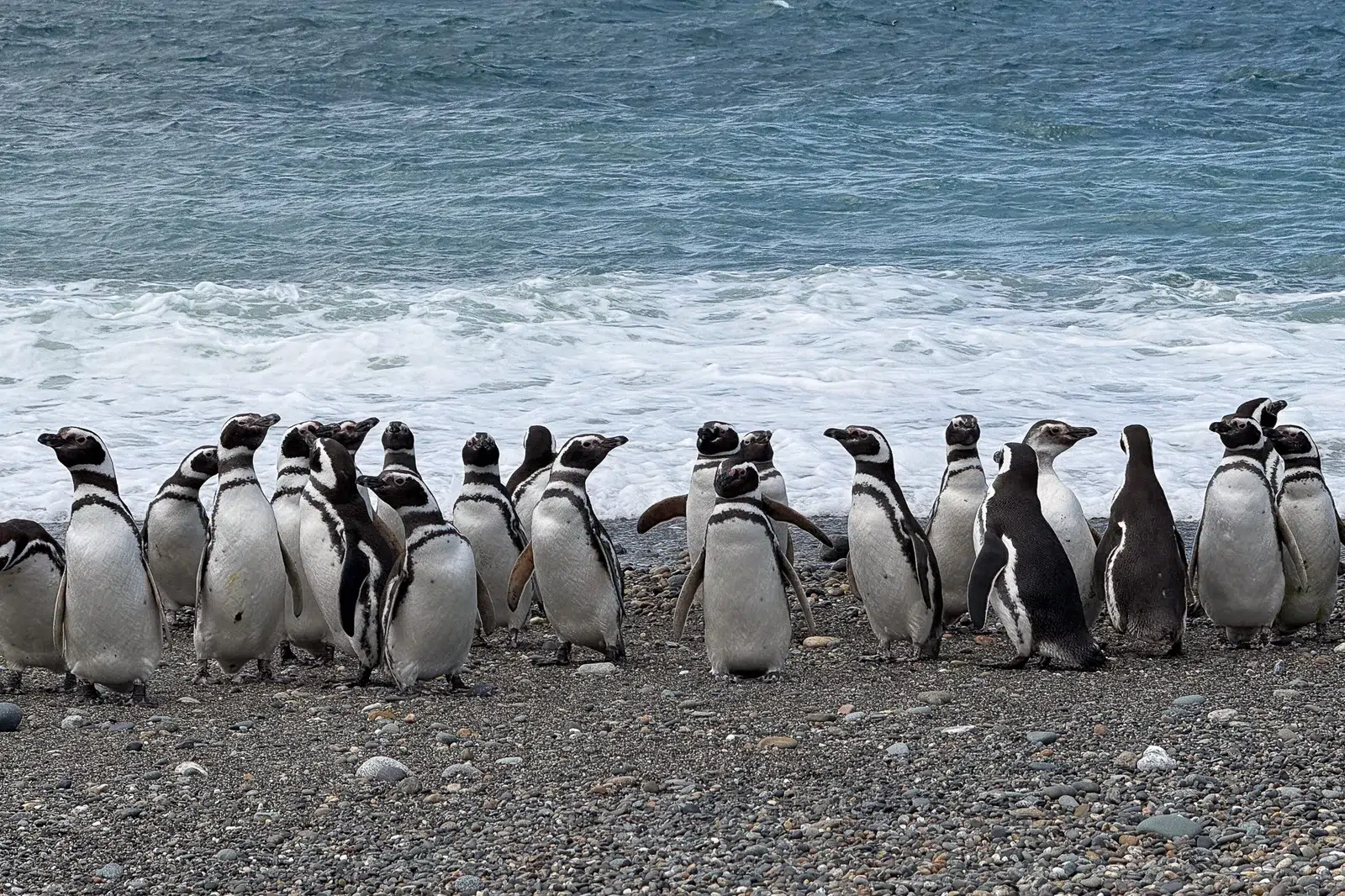
As investigations progress, concern grows because a large part of the specimens found belong to the Magellanic penguin, an emblematic species of Argentine marine fauna whose reproduction largely depends on the Patagonian coastal ecosystems.
Avian flu appears among the hypotheses under analysis
As a preventive measure, authorities activated health protocols related to avian influenza. This decision responds to recent precedents recorded in different regions of the world, where highly pathogenic variants of the virus caused significant mortality episodes in wild birds.
Additionally, conservation entities, including the Environmental Support Center for Science and Ecology (Cadace), notified the situation to fauna organizations, municipalities, and health areas to strengthen monitoring tasks.
However, specialists emphasize that there are still no conclusive results that allow attributing the deaths to a single cause. For this reason, complementary studies are being developed on each specimen found.
Various environmental factors are also being investigated
Along with the health hypothesis, experts are evaluating other variables that could affect marine bird populations. These include the decrease in food resources, alterations in ocean currents, and the effects associated with climate change.
Furthermore, marine pollution continues to be a risk factor for numerous coastal species. The presence of waste, hydrocarbons, and other pollutants can generate direct and indirect impacts on the health of animals.
On the other hand, extreme environmental events can alter the behavior of the prey on which penguins depend, affecting their feeding and survival capacity.

Avian flu: risks and transmission methods
The avian flu is a viral disease that primarily affects wild and domestic birds. Some strains, such as H5N1, have a high capacity for spreading and can cause outbreaks with high mortality rates.
The virus is usually transmitted through direct contact between infected birds, respiratory secretions, fecal matter, or contaminated surfaces. In coastal environments, where numerous species share feeding and resting spaces, viral circulation can expand rapidly.
Although infections in humans are rare, authorities recommend avoiding any contact with sick or dead birds. It is also advised to prevent dogs and other domestic animals from approaching the found specimens.
The ecological value of the Magellanic penguin
Patagonia is home to some of the most important breeding colonies of the Magellanic penguin. Among them, Punta Tombo stands out, considered one of the largest continental reserves for this species.
These animals play a fundamental role within marine ecosystems, as they participate in the balance of food chains and serve as indicators of the environmental state of the oceans.
Therefore, each mortality episode generates concern among scientists and conservationists. Determining the causes of this phenomenon will be key to strengthening protection strategies for one of the most representative species of the Argentine coast and preserving the health of coastal ecosystems.



