



The Government of Brazil announced the creation of two new protected areas in the state of Río Grande do Sul: the Parque Nacional del Albardão and the Área de Protección Ambiental (APA) del Albardão, located in the coastal and maritime area of Santa Vitória do Palmar.
The initiative, the result of more than two decades of research by ecologists, seeks to combine the conservation of biodiversity with the promotion of sustainable economic activities.
Refuge for key species
The park will serve as a refuge for various marine and coastal species, including sharks, migratory birds, and marine mammals such as elephant seals and sea lions from Patagonia.
With the creation of these areas, predatory fishing will be eliminated, favoring the recovery of beaches and fishing resources for the benefit of local communities.
Sustainable development and economic opportunities
The protected areas will cover more than one million hectares and will have multiple benefits:
- Artisanal and industrial fishing: recovery of fishing resources with sustainable practices.
- Ecotourism: promotion of recreational and educational activities in contact with nature.
- Scientific research: new spaces for environmental studies and conservation.
- Environmental education: programs to raise awareness among the population about the importance of ecosystems.
Strategic importance of protected areas
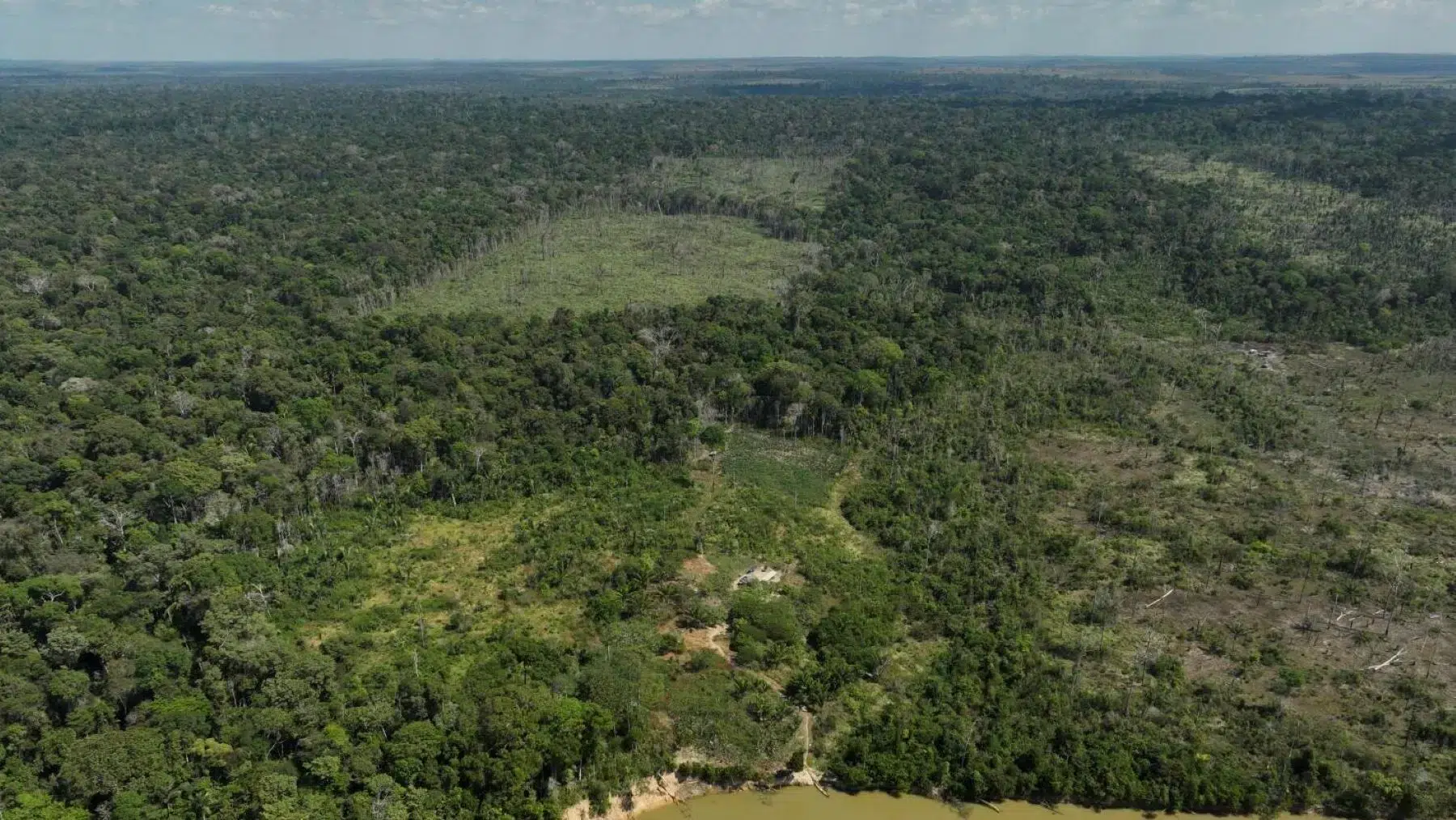
Protected areas in Brazil play a fundamental role in global biodiversity, climate regulation, and the protection of indigenous peoples. Additionally, they store immense carbon reserves, making them key allies against climate change.
Main benefits
- Climate mitigation: prevent the release of carbon through deforestation.
- Protection of critical habitats: such as the Amazon and the Pantanal.
- Guarantee of indigenous rights: strengthen the cultural and territorial survival of indigenous communities.
Environmental policy of the Lula government (2023-2026)
The creation of these areas is part of the environmental policy of President Luiz Inácio Lula da Silva, which seeks to position Brazil as a global leader in sustainability:
- Zero deforestation by 2030: central goal in the Amazon.
- Demarcation of indigenous lands and expansion of protected areas.
- Environmental oversight: strengthening of IBAMA and combating illegal logging, mining, and fishing.
- International financing: initiatives like the Forever Tropical Forest Fund to attract global resources.
- Bioeconomy: development model that values the standing forest and benefits local populations.
Pending challenges
Despite the progress, the government faces pressure from the agribusiness sector and the need to balance economic development with environmental conservation. The creation of new protected areas is a significant step, but its success will depend on the effective implementation of control policies and the active participation of local communities.
The creation of the Parque Nacional del Albardão and the APA del Albardão represents a historic advance in the protection of Brazil’s biodiversity. These areas not only preserve unique ecosystems but also open opportunities for sustainable development, ecotourism, and scientific research. In a global context marked by climate change, Brazil reaffirms its commitment to environmental conservation and sustainability.


