



With the entry into force of the EU–Mercosur agreement in May 2026, the growth of Argentine meat exports has become a litmus test to assess whether international trade can expand without weakening environmental protections.
While the European Union demands increasingly strict standards under its Green Deal, other markets such as China and the United States impose much laxer conditions, creating a regulatory gap that allows for increased exports without necessarily meeting higher environmental safeguards.
Productive Expansion and Deforestation
Argentina is experiencing a moment of productive expansion: beef exports are reaching historic levels and production is intensifying. However, this growth is already showing impacts in sensitive regions such as the Gran Chaco, the second-largest forest mass in South America after the Amazon.
The agricultural expansion, including soybean production intended to feed the livestock chain, has been associated with processes of deforestation and forest conversion, according to evidence from Global Forest Watch. This reflects how export-oriented intensification can put pressure on ecosystems and compromise biodiversity.
Animal Welfare and Unequal Standards
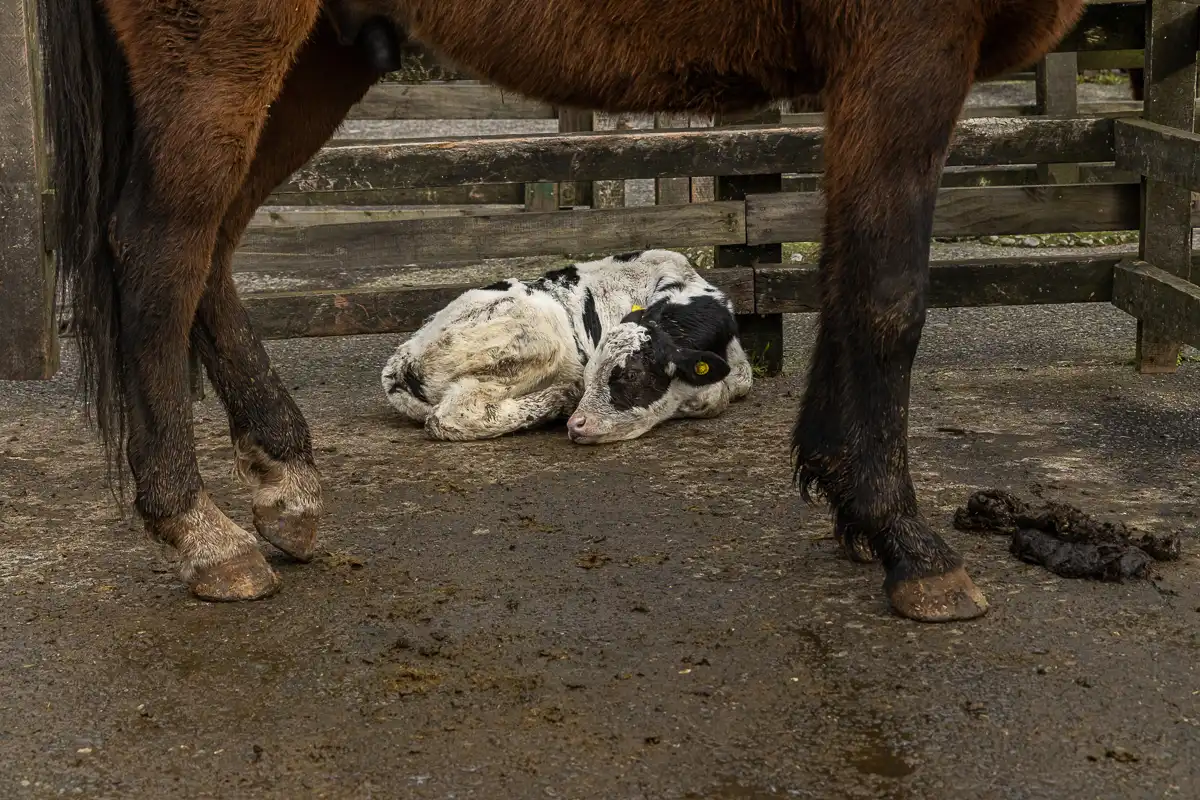
The organization Sinergia Animal warns that the EU–Mercosur agreement could encourage the weakening of environmental and animal welfare protections. Their investigations in auction markets in Argentina and Chile reveal extreme animal cruelty, reinforcing the idea that productive growth is not always accompanied by equivalent protection frameworks.
When export growth is prioritized in markets that do not demand environmental responsibility, there is a risk of a “race to the bottom” in standards, where ecosystems, water security, and public health become collateral damage of global supply chains.
Statements from Sinergia Animal
Romina Viscarret, the organization’s director in Argentina, emphasized: “The growth of meat exports is part of an increasingly interconnected global food system, but it cannot occur without considering its impacts on ecosystems, natural resources, and animal welfare. Sustainable trade should strengthen these standards rather than weaken them”.
Beyond Beef: The Case of Eggs
Productive intensification is not limited to meat. According to the Argentine Chamber of Poultry Producers and Industrialists (CAPIA), in 2025 Argentina became the world’s largest egg consumer, with 398 units per capita per year and a production of nearly 19 billion eggs.
To sustain this level of consumption, more than 62 million hens live confined in conventional battery cages, a system banned in the European Union since 2012. In this context, Viscarret pointed out that “if Argentina leads in consumption, it should also aspire to lead in animal welfare standards”.
The rise of Argentine meat and the intensification of animal production pose a central dilemma: can the country expand its role in global trade without regressing in environmental protection and animal welfare?
The challenge is to ensure that international agreements and domestic policies do not become an incentive for deregulation, but an opportunity to strengthen standards and ensure truly sustainable trade.


