



In recent days, the Entre Ríos Labor Secretariat carried out a control operation at a rural establishment in Lucas Sud 2°, in the department of Villaguay, Concordia, where it detected serious labor and housing irregularities: silo bag shacks and water consumption from agrochemical drums.
During the procedure, the Revenue and Customs Control Agency (ARCA) and the Argentine Union of Rural Workers and Dockers (UATRE) confirmed the existence of housing with serious structural deficiencies, inhabited by workers and their families for more than ten years.
These houses were built with silo bags, on dirt floors, with precarious roofs made of straw and plastic. Additionally, there was a lack of adequate sanitary facilities.
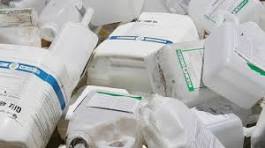
However, the water access was one of the points that generated the most concern, as workers reused agrochemical drums and other discarded containers to access the resource. According to experts, the worrying aspect of this practice is the significant health risk it implies.
A work marked by irregularity
In addition to detecting the irregularities and risks faced by these rural workers, the operation led by the Provincial Director of Labor, Juan Pablo Irurueta, along with the Departmental Delegate of Concordia, Miguel Ángel Pereyra, and staff from the Occupational Safety and Hygiene Directorate, also verified the presence of at least two workers in informal conditions, that is, without labor registration.
As a consequence of the results found in the procedure, the authorities in charge proceeded to draw up the corresponding records and initiated the administrative actions according to the current regulations.
What are agrochemical drums used for?
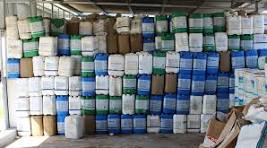
Generally, agrochemical drums are used to store, transport, and apply phytosanitary products such as insecticides, herbicides, and fertilizers.
Once empty, these drums must be subjected to a “triple wash” and recycled to manufacture agricultural or industrial use products, such as posts, wire rods, construction buckets, or fiber optic tubes, with their refilling or domestic use being prohibited.
Their prohibition for domestic use is due to the fact that the plastics they are made of can retain toxic traces, so water or food should not be stored in them.
What are the health and environmental risks of using agrochemical drums?
Such is the danger of this practice that experts assure that the inadequate use of these drums can generate acute intoxications and chronic diseases, such as cancer, hormonal disorders, or respiratory diseases.
Furthermore, human contact with the remains of toxic residues can cause effects on offspring and alterations of the immune system.
Regarding the environment, the use of these drums can cause water and soil contamination, as the residues from poorly managed containers seep through the soil, reaching the underground aquifers or surface water courses.
It can also generate adverse effects on biodiversity, with the death of non-target microorganisms, such as wildlife, bees, or beneficial soil microorganisms. They can even contaminate the air through the burning of containers that release dangerous toxins into the atmosphere.


