



Last Sunday, the “Encounter for the Jaaukanigás: a park for the future” took place, a day that brought together artists, entrepreneurs, leaders, and residents in the northeast of Santa Fe. The goal was to collect signatures and raise awareness of the community support for the project to create the Jaaukanigás Provincial Park and Water Reserve, in the namesake Ramsar site.
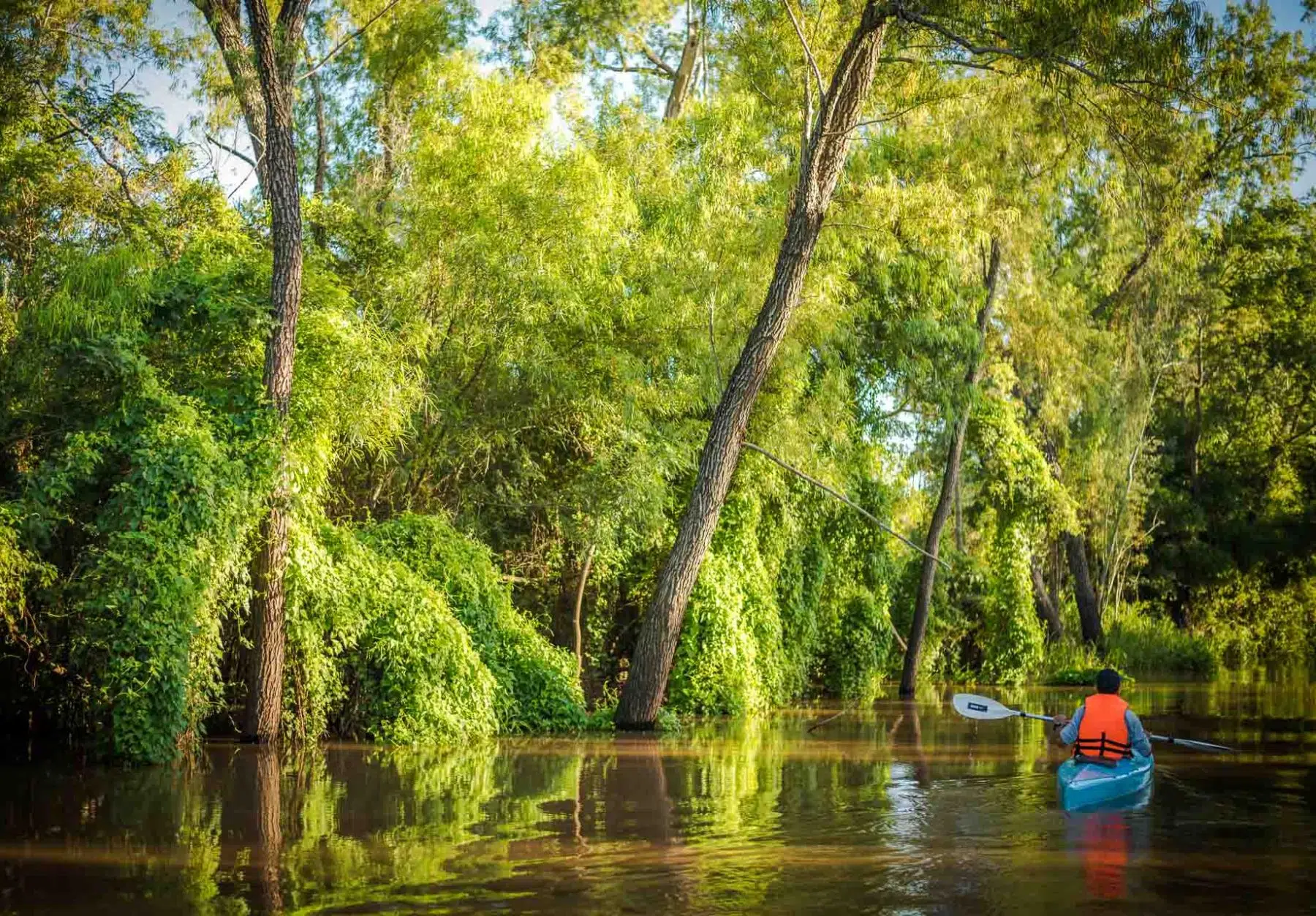
The proposal included recreational activities such as boat rides, hiking, and horseback riding, as well as folk performances and a varied regional gastronomic offer. Local entrepreneurs showcased ecotourism products and crafts, reinforcing the economic potential of the region.
The bill
The initiative under debate in the Santa Fe Legislature seeks to protect 9,807 hectares of public islands of the Paraná River and more than 100,000 hectares of water mirrors within the Ramsar site. The total area of Jaaukanigás covers about 492,000 hectares, with environments of great richness: forests, palm groves, wetlands, marshes, savannas, and grasslands.
The project includes:
- Conservation of biodiversity, including emblematic species such as the marsh deer, the maned wolf, and the howler monkey.
- Implementation of a park ranger system.
- Promotion of sustainable ecotourism in Florencia, Villa Ocampo, and Reconquista.
- Creation of a water reserve to protect creeks and water circuits of the Paraná.
Institutional and community support
The project has the support of the Ministry of Environment and Climate Change of Santa Fe, local governments, and the NGO Aves Argentinas. Minister Enrique Estévez highlighted that it is a unique ecosystem in the Paraná basin, with enormous potential for ecotourism and local development.
Residents and organizations like Community in Action emphasized the importance of preserving beaches and wetlands, while artists like Patricia Gómez and local folk groups contributed their cultural voice to the gathering.
Ecological and tourist importance
Jaaukanigás is home to more than 700 species of vertebrates, including 344 birds (34% of those recorded in Argentina). The creation of the park would allow for the consolidation of high-quality environmental areas, ideal for observing flora and fauna.
Biologist Alejandro Giraudo noted that the effective protection of species like monkeys, caimans, and coatis will accompany the growth of ecotourism. Examples like Villa Ocampo show how tourist accommodation capacity increased from 200 to more than 400 beds in a few years.
Additionally, the water reserve would position the region alongside other destinations of great natural value such as the Iberá Wetlands, the Chaco Impenetrable, or the Bañado La Estrella, which receive international tourism.
The festival in support of the Jaaukanigás Park demonstrated broad social and institutional support for a project that has been in development for more than 20 years. The community calls for swift progress to improve the quality of life of the inhabitants, consolidate ecotourism, and generate sustainable productive alternatives that strengthen local economies.



