



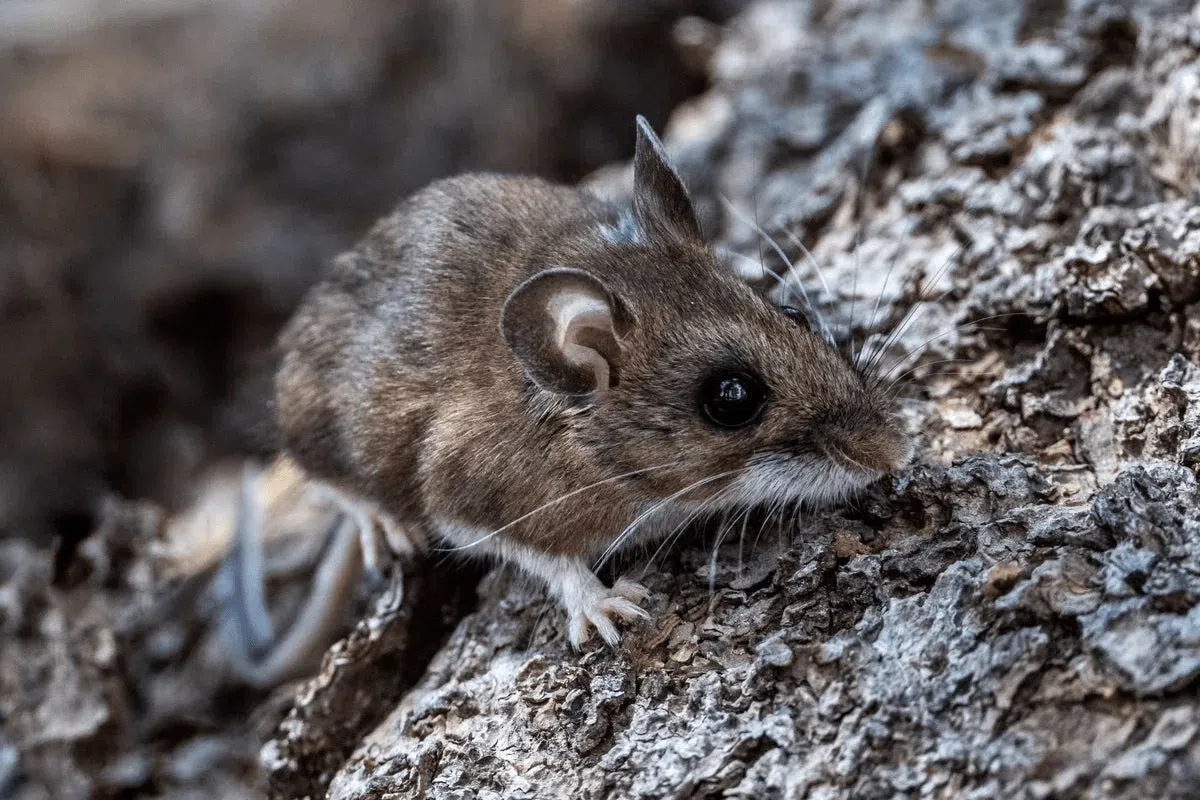
The hantaviruses are a group of viruses that live in wild rodents and are transmitted to humans without the carrier animal becoming ill. The most common route of transmission is the inhalation of viral particles present in feces, urine, and saliva of rodents. It can also occur through bites, although this is less frequent.
The threat is global: the WHO recently confirmed an outbreak on the cruise ship MV Hondius, with three deaths and at least seven cases, originating in the Southern Cone from the Andes strain, the only one in the world with confirmed person-to-person transmission.
History of the virus
The name comes from the Hantaan River in South Korea, where UN soldiers contracted a severe hemorrhagic disease during the Korean War in the 1950s. The virus was only identified in 1977 by Dr. Ho Wang Lee.
In 1993, an outbreak in the United States revealed the American variant “Sin Nombre,” which led to the Hantavirus Pulmonary Syndrome, with mortality rates of up to 50%. In Argentina, the first cases were detected in 1995, and the country continues to report the most cases in the region, with a mortality rate that reached 32% in 2025.
Endemic regions in Argentina
Until 2020, the Ministry of Health confirmed 1,982 cases distributed across four endemic regions. Most originated from contact with species of wild rodents carrying different strains of the virus.
Main species and strains:
- Oligoryzomys longicaudatus (long-tailed pygmy rice rat): carries the Andes virus in the Andean-Patagonian region and the Orán virus in the northwest.
- Oligoryzomys chacoensis: reservoir of the Bermejo virus in arid environments of the northwest.
- Calomys callosus: carries the Laguna Negra virus, with low mortality (1%).
- Oligoryzomys flavescens: transmits the Lechiguanas and Central Plata viruses in the central region, with a combined mortality of 30.8%.
- Oligoryzomys nigripes: reservoir of the Juquitiba virus in Misiones and Corrientes, with a mortality rate of 17.1%.
- Oligoryzomys microtis: carries the Río Mamoré virus, originating from Bolivia.
- Akodon azarae: reservoir of the Pergamino virus, not yet associated with human disease.
- Necromys benefactus: carries the Maciel virus, with no confirmed human cases.
Prevention and recommendations
In the absence of a vaccine or specific treatment, prevention is the only tool:
- Keep homes clean and seal cracks larger than 0.5 cm.
- Store firewood more than 40 meters from the home.
- Ventilate any closed space for 30 minutes before entering.
- Remember that viral particles are quickly inactivated by sunlight, which reinforces the importance of airing out spaces.
Knowing the rodent species that transmit hantavirus in Argentina is key to reducing the risk of contagion.
The available scientific information allows for the identification of endemic areas and the implementation of preventive measures that protect both rural communities and travelers entering these ecosystems.


