



The city of Berlin, in Germany, launched a pioneering experiment aimed at strengthening the link between tourism and sustainability. Through the BerlinPay program, travelers and residents can access special benefits in exchange for participating in activities aimed at environmental care and the improvement of public spaces.
The initiative, developed by the city’s tourism organization along with the Berlin Senate Department for Economic Affairs, Energy and Public Enterprises, is implemented between May 14 and June 14, 2026. Its main objective is to promote responsible behavior in strategic sectors linked to rivers, canals, lakes, and green areas.
Additionally, the program arises in a context of growing concern about waste accumulation and the need to preserve urban ecosystems that are part of the tourist attraction of the German capital.
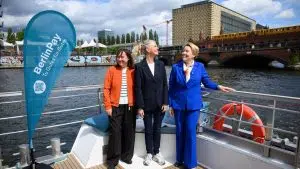
Environmental activities that generate rewards
The system’s operation seeks to encourage citizen participation through concrete conservation actions. Those who collaborate in community tasks receive cultural, recreational, and tourist benefits.
Among the available proposals are clean-up days on the Spree River and the Landwehr Canal, tree watering activities located on the banks, and environmental recovery campaigns on urban beaches and aquatic spaces.
Likewise, participants can choose to travel by bicycle, collaborate on community projects, or join educational tours focused on the protection of ecosystems linked to water.
As recognition, they receive free event tickets, discounts on workshops, free drinks, and access to various recreational experiences related to Berlin’s natural and cultural heritage.
Culture, recreation, and nature as a single strategy
The program brings together nearly 5,000 activities driven by more than 40 local organizations and companies committed to sustainability.
On one hand, cultural spaces have incorporated special incentives. The floating gallery Hosek Contemporary offers concerts for those who use sustainable means of transport, while the Humboldt Forum develops guided tours focused on the importance of water and urban ecosystems.
On the other hand, different tourism ventures promote environmental participation through innovative proposals. GoBoat rewards waste collection campaigns with rides on solar-powered boats, while Teamgeist organizes recreational competitions for those who demonstrate sustainable mobility habits.
Similarly, places like Strandbad Plötzensee provide free entry and access to recreational equipment to those who collaborate in community maintenance tasks and visitor assistance.
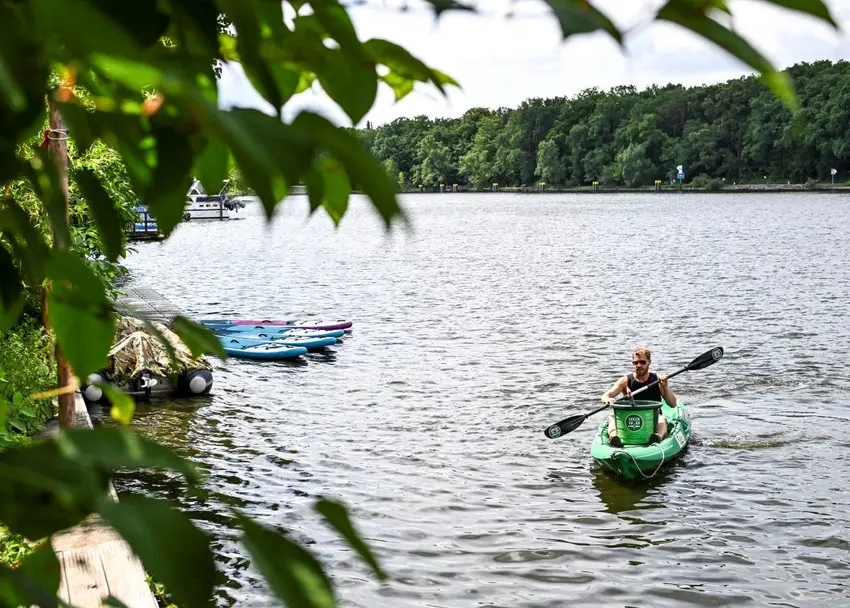
An initiative involving the entire community
Programs like BerlinPay contribute to reducing pollution in urban natural spaces, favoring the conservation of rivers, lakes, and canals that host a significant biodiversity.
Furthermore, the promotion of sustainable transport helps reduce pollutant emissions associated with conventional tourism, improving air quality and reducing the carbon footprint of travel.
In turn, clean-up and restoration days strengthen the environmental awareness of both residents and visitors, generating a more responsible relationship with the environment.
Similarly, the increase in green areas and the protection of aquatic ecosystems contribute to improving the city’s climate resilience against extreme phenomena such as heatwaves and floods.
A sustainable tourism model with international projection
The initiative takes as a reference similar experiences developed in other European cities and seeks to consolidate a new form of interaction between tourists and urban destinations.
Simultaneously, Berlin presented its first Digital Aquatic Atlas, a platform that brings together more than 215 water-related spaces, including recreational areas, gastronomic establishments, and accommodations.
Finally, the project plans to incorporate nearly 800 destinations linked to rivers, canals, and lakes, strengthening a strategy that integrates environmental conservation, citizen participation, and sustainable tourism development for future generations.



