



In the locality of El Palomar, a group of neighbors launched an environmental proposal aimed at preserving the Céspedes stream, a watercourse that hosts a significant diversity of species and plays a key role in the urban ecological balance.
The initiative arose from the observation of the biological richness present in the environment. By identifying the variety of animals and plants that depend on the stream, the project promoters decided to organize actions to contribute to its conservation.
Currently, the activities include cleaning days, environmental education meetings, and awareness campaigns aimed at promoting the care of this natural space. Additionally, the organizers are inviting more people to participate voluntarily in the protection and monitoring tasks.

Pollution, one of the main challenges
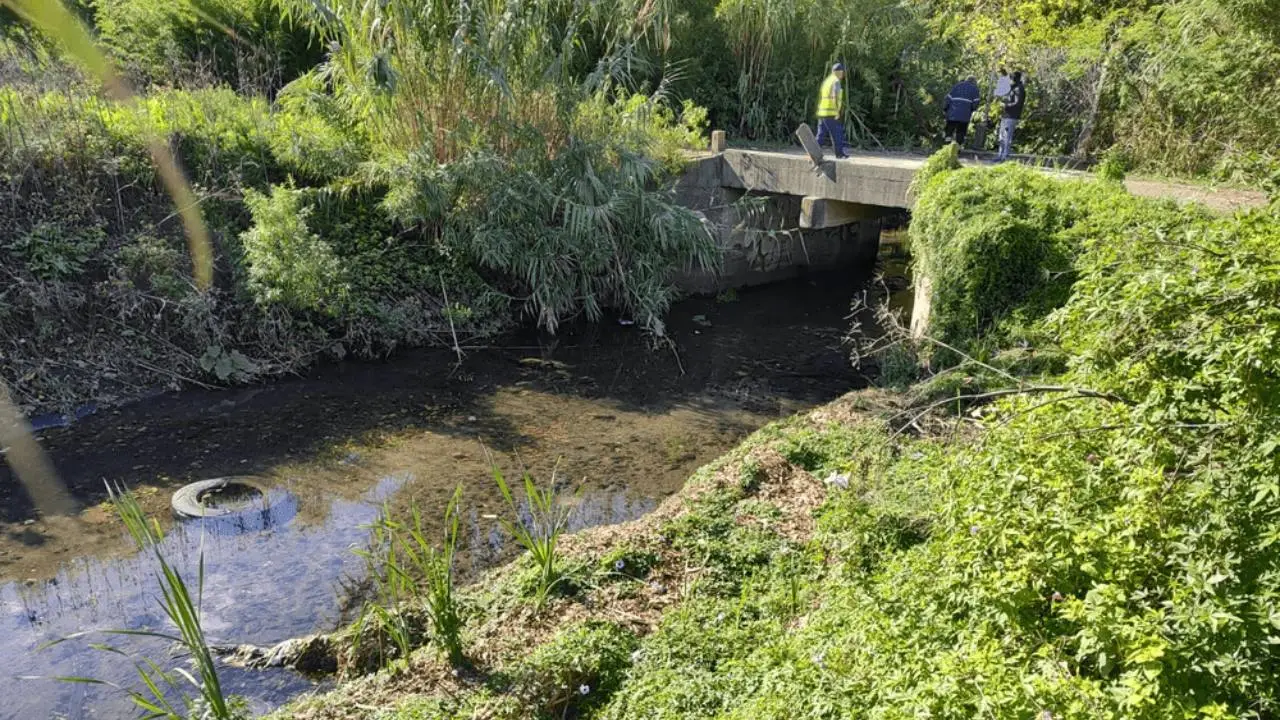
One of the most concerning problems detected by the community is the accumulation of solid waste both on the banks and within the stream’s course. This situation affects the water quality and alters the natural functioning of the ecosystem.
Moreover, the presence of garbage reduces the oxygen levels available for the aquatic fauna, creating unfavorable conditions for numerous species inhabiting the area. Therefore, a large part of the current efforts focuses on removing waste and preventing new sources of pollution.
In turn, the neighbors seek to raise awareness about the importance of adopting responsible habits regarding waste management and the care of urban green spaces. They consider that citizen participation is essential to achieve lasting changes.
A refuge for numerous species
The Céspedes stream constitutes a biological corridor of great value for the local fauna. Among the recorded species are fish such as the madrecitas de arroyo, madrecitas de río, and various catfish.
Likewise, the environment offers refuge and food for overo lizards, guinea pigs, hawks, and other animals that find in this environment suitable conditions to survive. The conservation of the watercourse is essential to maintain these populations.
On the other hand, the project promoters emphasize that the protection of biodiversity not only benefits wild species but also the community, as it helps improve the environmental quality and strengthen the ecosystem services of the area.
The environmental value of the Céspedes stream
Urban streams fulfill fundamental ecological functions within cities. They act as natural corridors that allow species movement, promote rainwater infiltration, and help regulate local temperatures.
Additionally, these environments contribute to biodiversity conservation by providing habitats for fish, birds, reptiles, and small mammals. When kept in good condition, they also aid in the natural purification of water and in the reduction of floods.
In this context, the protection of the Céspedes stream acquires strategic relevance for El Palomar. For this reason, the neighbors aspire for the area to be recognized as a natural reserve in the future, a measure that would ensure the preservation of its fauna, vegetation, and ecological processes in the long term.
Thanks to community commitment, the project is consolidated as an example of citizen participation aimed at environmental restoration and the strengthening of biodiversity in urban settings.



