



The Monitoring of the Andean Amazon Project (MAAP) revealed that in 2025, 736,484 hectares were deforested across the Amazon. Agriculture was responsible for 94.6%, gold mining for 5.3%, and infrastructure for 0.1%.
More than half of the deforestation occurred in Brazil (55.2%), followed by Peru (16.8%), Bolivia (13.8%), and Colombia (8.5%).
Peru: Leader in Deforestation by Mining
In the case of gold mining, Peru recorded the largest forest loss:
- 18,200 hectares, the highest figure in the region.
- Brazil followed with 7,900 ha, Guyana with 3,700 ha, and Venezuela with 3,100 ha.
Peruvian Amazon deforestation is mainly driven by illegal mining, drug trafficking, and unsustainable agriculture, destroying more than 100,000 hectares annually.
Loss of Primary Forests
Primary forests, never intervened by humans, suffered significant losses:
- Brazil: 560,000 ha (55%).
- Bolivia: 200,000 ha (20%).
- Peru: 147,480 ha (14%), the highest figure in the last five years.
- Colombia: 66,300 ha (6%).
Simultaneously, forest fires affected 1.5 million hectares of primary forest, the third-highest figure since 2002.
Protected Areas and Indigenous Territories
In 2025, nearly 132,000 hectares were deforested in protected areas and indigenous territories:
- Agriculture caused 89%.
- Mining, 11%.
Brazil led deforestation in these areas (33%), followed by Bolivia (25%), Peru (20%), and Colombia (10%).
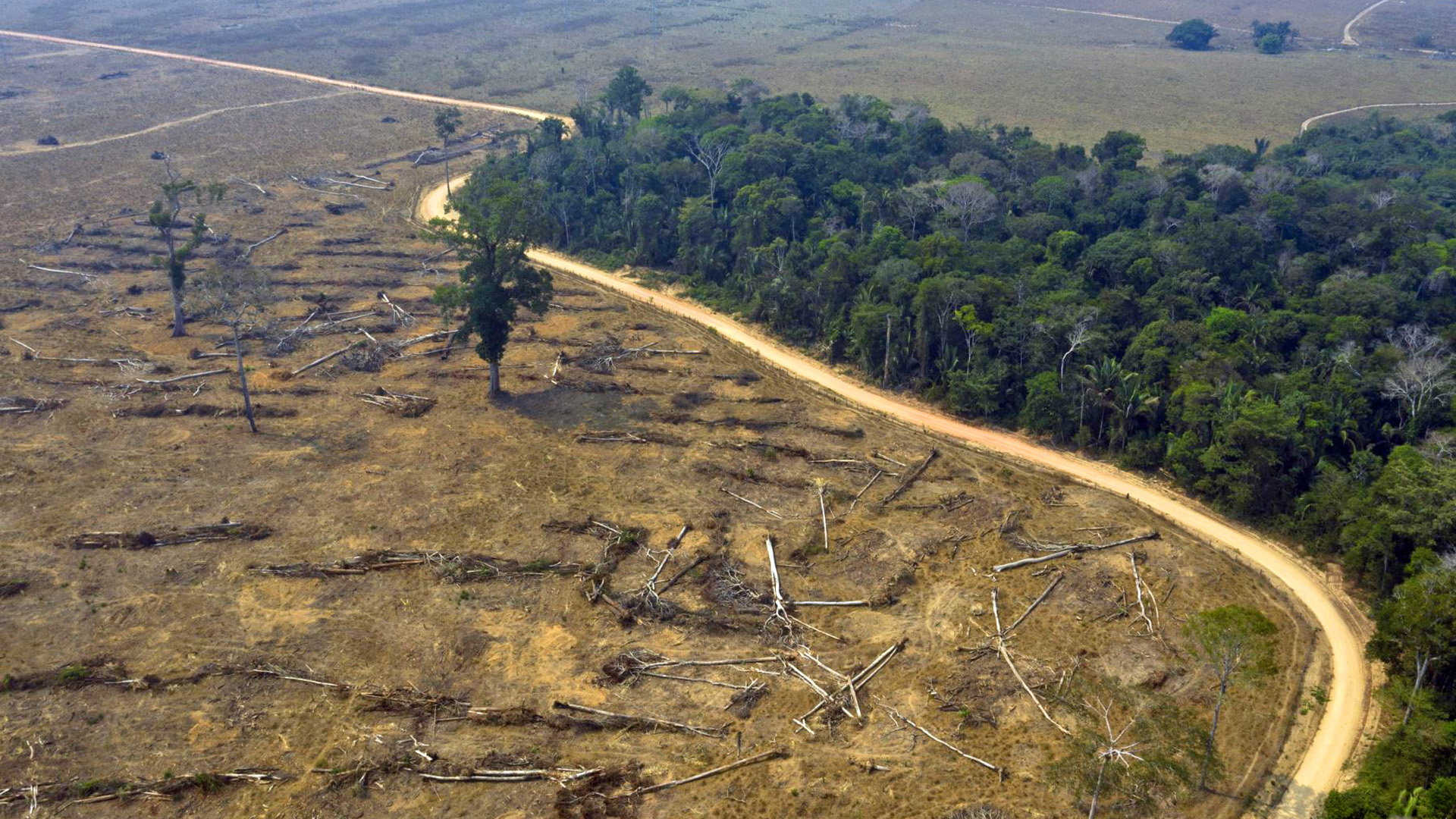
Critical Consequences
Amazon deforestation has multiple impacts:
- Environmental and climatic impact: reduction of CO₂ absorption capacity, acceleration of climate change, contamination of rivers and soils with mercury.
- Loss of biodiversity: destruction of unique habitats, extinction of species, and ecological imbalance.
- Social crisis and indigenous rights: expansion of illicit activities, violence against environmental leaders, and violation of indigenous territories.
- Threats to public health: deterioration of water quality, increase in vector-borne diseases like dengue, and health problems associated with toxic chemicals.
Historical Balance
Between 2002 and 2025, the Amazon lost 34.8 million hectares of primary forest due to permanent deforestation, equivalent to the size of Germany. Another 12.2 million hectares were affected by fires.
The record of Amazon deforestation by gold mining in Peru during 2025 reflects the severity of the environmental and social crisis in the region.
The loss of primary forests, pressure on protected areas, and impact on indigenous communities highlight the urgency of strengthening conservation policies, combating illegal mining, and promoting sustainable alternatives to preserve one of the planet’s most biodiverse ecosystems.



