



On July 3rd, the International Plastic Bag Free Day was celebrated, a date that aims to reduce the consumption of single-use bags and promote reusable alternatives.
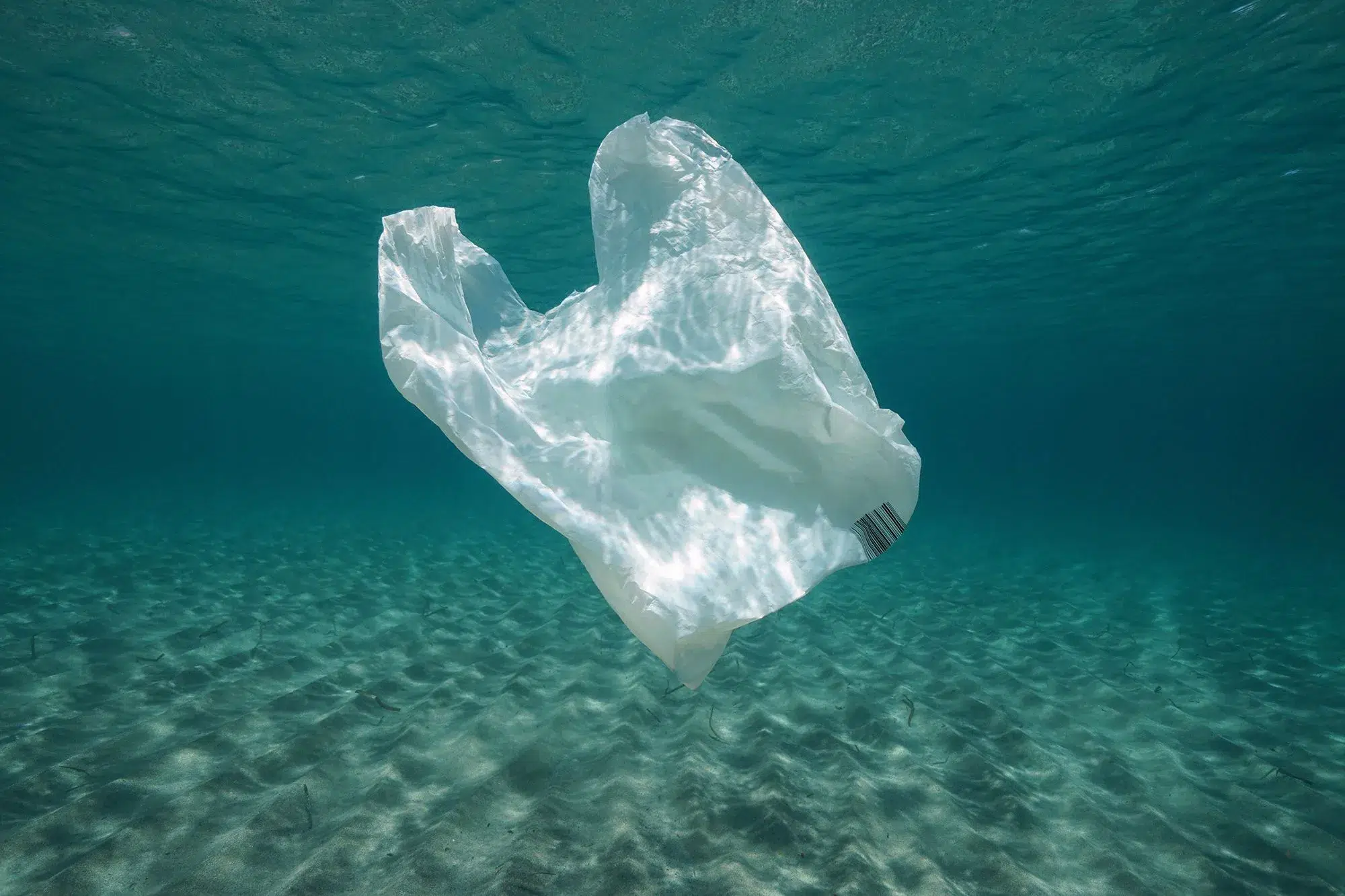
The commemoration serves as a call to review daily habits and assess the environmental impact of an item that, although used for just a few minutes, can take centuries to degrade.
The Global Problem
The figures are striking:
- A bag is used on average for 12 minutes, but its degradation can take between 150 and 500 years.
- Each year, nearly 5 trillion plastic bags are consumed worldwide.
- 70% end up in the environment, polluting streets, rivers, and seas.
- The oceans receive around 12 million tons of plastics per year.
- On average, a person uses 230 bags per year, which globally exceeds 500 billion units.
During their fragmentation, bags generate microplastics that enter ecosystems and the food chain. Studies indicate that one in six fish sold in fish markets contains microplastics in its stomach.
International Strategies
Different countries have advanced with measures to reduce their use:
- Bans on the production and distribution of plastic bags.
- Taxes on their consumption.
- Voluntary agreements with businesses to limit their distribution.
The idea of “a day without bags” seeks to engage governments, companies, and citizens, understanding that reduction does not depend solely on the consumer.
The Case of Peru
In Peru, the commemoration of July 3rd was linked to Law No. 30884, which regulates single-use plastics. Alarming data was disseminated:
- Annual consumption of 950 thousand tons of plastics.
- In Lima and Callao, more than 886 tons of plastic waste are generated daily (46% of the national total).
- Each Peruvian uses on average 30 kilos of plastic per year.
- Every minute, 6 thousand bags are consumed, equivalent to 3 billion per day.
Sustainable Alternatives
International Plastic Bag Free Day emphasizes replacing disposables with reusable options:
- Cloth bags, durable and long-lasting.
- Reusable bags made from recycled materials.
- Reusing bags already available at home.
Simple Actions for Change
Beyond regulations, the day promotes everyday decisions:
- Carry a reusable bag when shopping.
- Refuse bags if they are not necessary.
- Reuse available bags at home.
International Plastic Bag Free Day is an opportunity to rethink habits and accelerate the transition to sustainable alternatives.
The magnitude of the problem demands collective commitments and individual actions to reduce the consumption of single-use plastics and protect terrestrial and marine ecosystems.


