



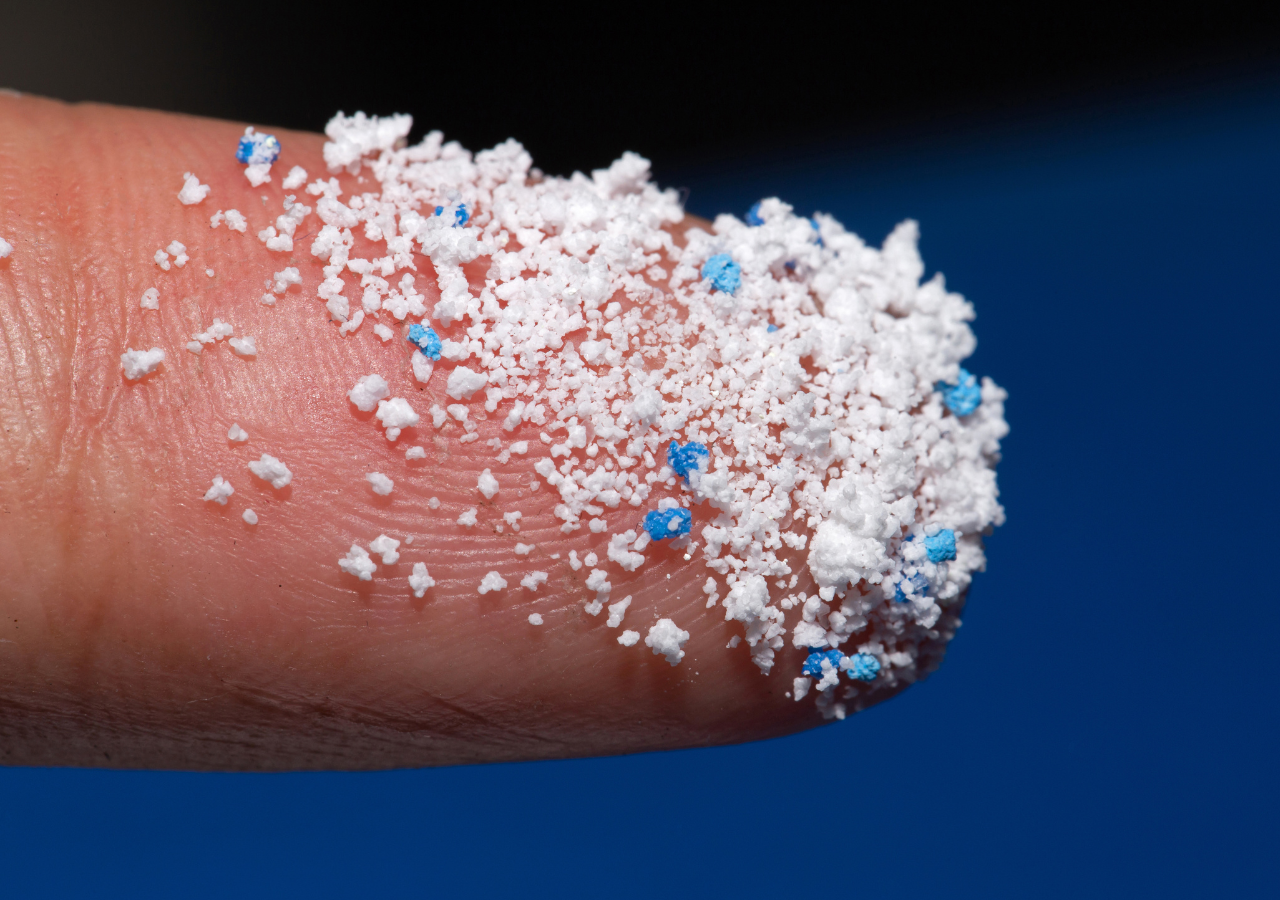
Micro and nanoplastics have invaded every corner of the planet, from drinking water to the human body. These tiny fragments, invisible to the naked eye, infiltrate the soil, air, and living organisms, causing environmental and health impacts that are still being studied ([source](https://noticiasambientales.com/compromiso-ambiental/microplasticos-en-casa-en-donde-hay-mas-y-como-se-pueden-evitar/)).
Capture of Micro and Nanoplastics with Magnetic Nanoparticles
Researchers from the University of São Paulo (USP) in Brazil have developed an innovative technology that uses magnetic nanoparticles functionalized with polydopamine.
This polymer, inspired by the adhesive properties of mussels, allows the capture of micro and nanoplastics by firmly adhering to them. Then, a magnetic field facilitates their extraction from water.
Enzymatic Degradation of Plastic
In addition to capturing micro and nanoplastics, USP researchers are exploring methods to break them down. They use specific enzymes, such as lipase, to degrade common plastics like PET into their basic components.
These compounds can be reused to create new plastic materials, closing the production and pollution cycle.
Challenges of Bioplastics and Mineral Water Pollution
Although bioplastics are considered an alternative to conventional plastic, they can also fragment and generate micro and nanoplastics.
Furthermore, bottled mineral water, which does not undergo treatment processes like drinking water, may be contaminated with micro and nanoplastics if it comes from a polluted source.
Importance of Exhaustive Controls
These findings underscore the need for exhaustive controls in water sources and in the production of bioplastics to prevent pollution and protect human and environmental health.
Have you visited our YouTube channel yet? Subscribe now!


