



Chilean researchers have developed a new variety of rice that consumes half the water than traditional rice.
They named it Jaspe Flar, and it represents a significant advancement not only in plant genetics but also in pursuit of sustainability.
What is the new rice variety like
Scientists from IICA and INIA developed genetic techniques to make the rice plant more resistant to climate change and more efficient in water use.
This reduced water consumption from 23,000 to 12,000 cubic meters per hectare.
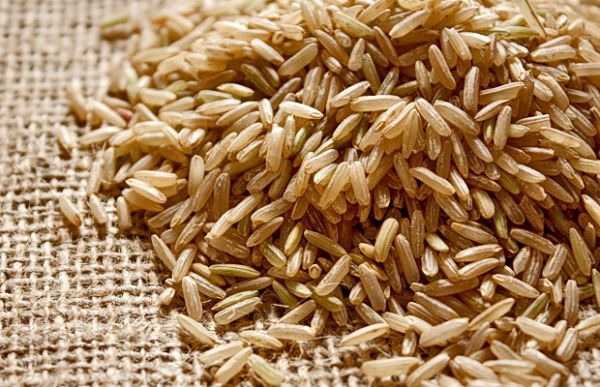 This type of rice consumes half the water.
Characteristics:
- Does not require flooding
- Reduces water consumption by 50%
- Short cycle: one month less than commercial varieties
- Greater flexibility in planting and adaptation to climate change
- High yield: up to 10 t/ha under drip irrigation
- Lower methane emissions: more sustainable agriculture
- It is in the multiplication phase
The impact of Jaspe Flar
The Jaspe Flar rice variety represents a significant advancement for local agriculture. It was developed after 12 years of research by the National Institute of Agricultural Research (INIA), in collaboration with the Latin American Fund for Irrigated Rice (FLAR) and the national industry Carozzi-Tucapel.
This variety adapts to new climatic conditions with less water and greater efficiency.
Under drip irrigation conditions, it showed, as reported, yields of up to 10 tons per hectare. Additionally, when grown without flooding, a reduction in methane emissions is achieved, one of the main greenhouse gases associated with rice production.
Food security
This factor makes this variety a key option for low-carbon agriculture.
On the other hand, this variety demonstrates that innovation in agriculture is crucial to ensuring food security without compromising natural resources. With its upcoming availability for producers, Jaspe Flar is emerging as a model of efficient, adaptable, and environmentally friendly production.
Have you visited our YouTube channel yet? Subscribe now!



