



An unprecedented discovery in the southernmost tip of Chile reinforces the urgency of protecting a native species in danger. A new population of huemules has been found.
In the southernmost end of the continent, where the mountain range plunges into the waters of the Strait of Magellan, scientists from Rewilding Chile and CONAF confirmed the presence of a subpopulation of the species (Hippocamelus bisulcus) never before recorded.
The discovery took place in Cabo Froward, a region of difficult access and great ecological value, proposed as the future Cabo Froward National Park.
New population of huemules: a key discovery for conservation
The finding is significant: it involves a species emblematic of the Andean-Patagonian fauna, in danger of extinction. Less than 1% of its original population remains.
 The huemul, endangered species.
The existence of these isolated groups of huemules in a pristine and unexplored area could be vital for long-term conservation efforts.
The evidence was obtained during scientific expeditions that included flyovers, treks through rugged terrain, and the installation of trap cameras. In an initial sighting, a solitary female was spotted from the air.
Later, on the ground, the team observed other specimens, including an adult female and her offspring, and finally a social group of five huemules with a dominant male, suggesting a stable population structure.
“We found that the animals are in very good condition, which shows that the natural isolation of the area has been key to their conservation,” said Miguel Lopetegui, a park ranger from CONAF.
“These encounters reinforce the urgency of monitoring and actively protecting these territories”.
A unique ecosystem, threatened by human activities
In addition to the huemules, the trap cameras recorded the presence of other native species such as the puma (Puma concolor), the culpeo fox (Lycalopex culpaeus), the huillín or river otter (Lontra provocax)—also endangered—and more than 40 bird species.
The director of Wildlife of Rewilding Chile, Cristián Saucedo, highlighted the importance of conserving the area: “Cabo Froward represents the southernmost refuge of the huemul.
The presence of other key species, such as the otter and the puma, reinforces the value of this territory as a high-priority biological corridor for conservation in Patagonia”.
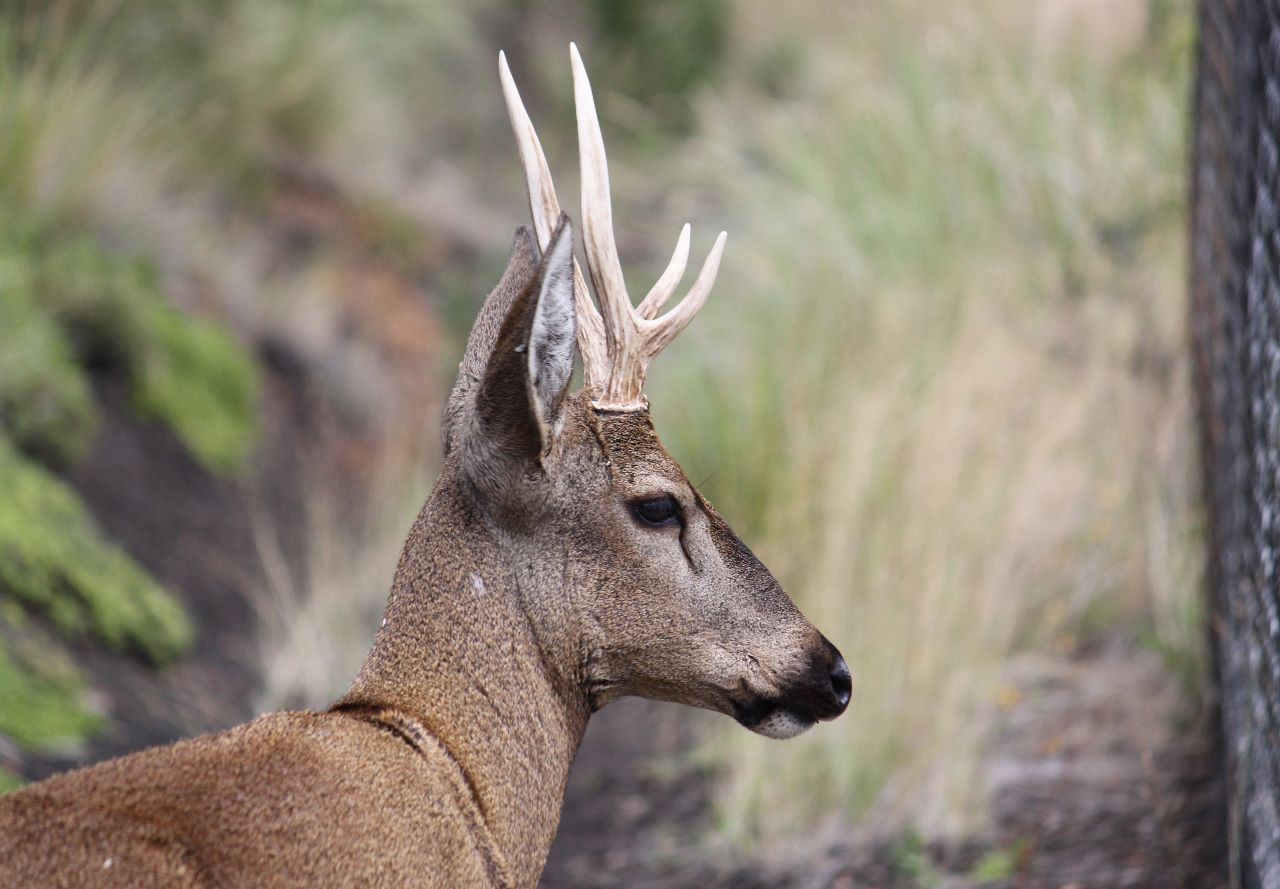 The species status.
However, the team also identified signs of unregulated human pressure, such as illegal logging and unauthorized trail transit. Threats that compromise the integrity of the ecosystem.
Towards a new National Park in the southernmost tip of Chile
This discovery strengthens the proposal to declare Cabo Froward as a National Park. It would be a measure that would formally protect this new subpopulation of huemules and the rest of the biodiversity inhabiting the area.
The creation of this conservation figure would be a key step in preserving one of the last wild strongholds of the southern Chilean Patagonia.



