



Punch, the Japanese monkey who went viral on social media, continues to grow and adapt. At just 9 months old, the little primate has gradually managed to integrate into his troop after being abandoned by his mother following a complicated birth during a heatwave.
His story began in July 2025, when the Ichikawa Zoo shared on social media that a baby monkey was clinging to an orangutan plush toy. This gesture turned him into a symbol of tenderness and resilience, attracting the attention of thousands of people.
From Solitude to Global Fame
Reintroduced to his troop in January, Punch initially struggled to relate, often playing alone. However, over time he has made friends both among the monkeys and with humans. In Japan, he is affectionately known as “Punch-kun”, and his image has inspired t-shirts, stickers, action figures, and even plush toys sold out at IKEA.
His popularity crossed borders: Saturday Night Live parodied him, Jon Stewart mentioned him on The Daily Show, and YouTubers spread rumors about his social life. Punch became a cultural phenomenon that mixes tenderness and humor.
A Symbol in Difficult Times
Amid global news about wars, climate crisis, and economic problems, Punch transformed into a symbol of resilience. For his followers, watching him grow and overcome obstacles is an emotional relief and a reminder of hope.
The Ichikawa Zoo, which was facing budget deficits, received more than $200,000 in donations since Punch was introduced to the world. The number of visitors tripled, reaching 90,000 in March 2026, revitalizing the institution.
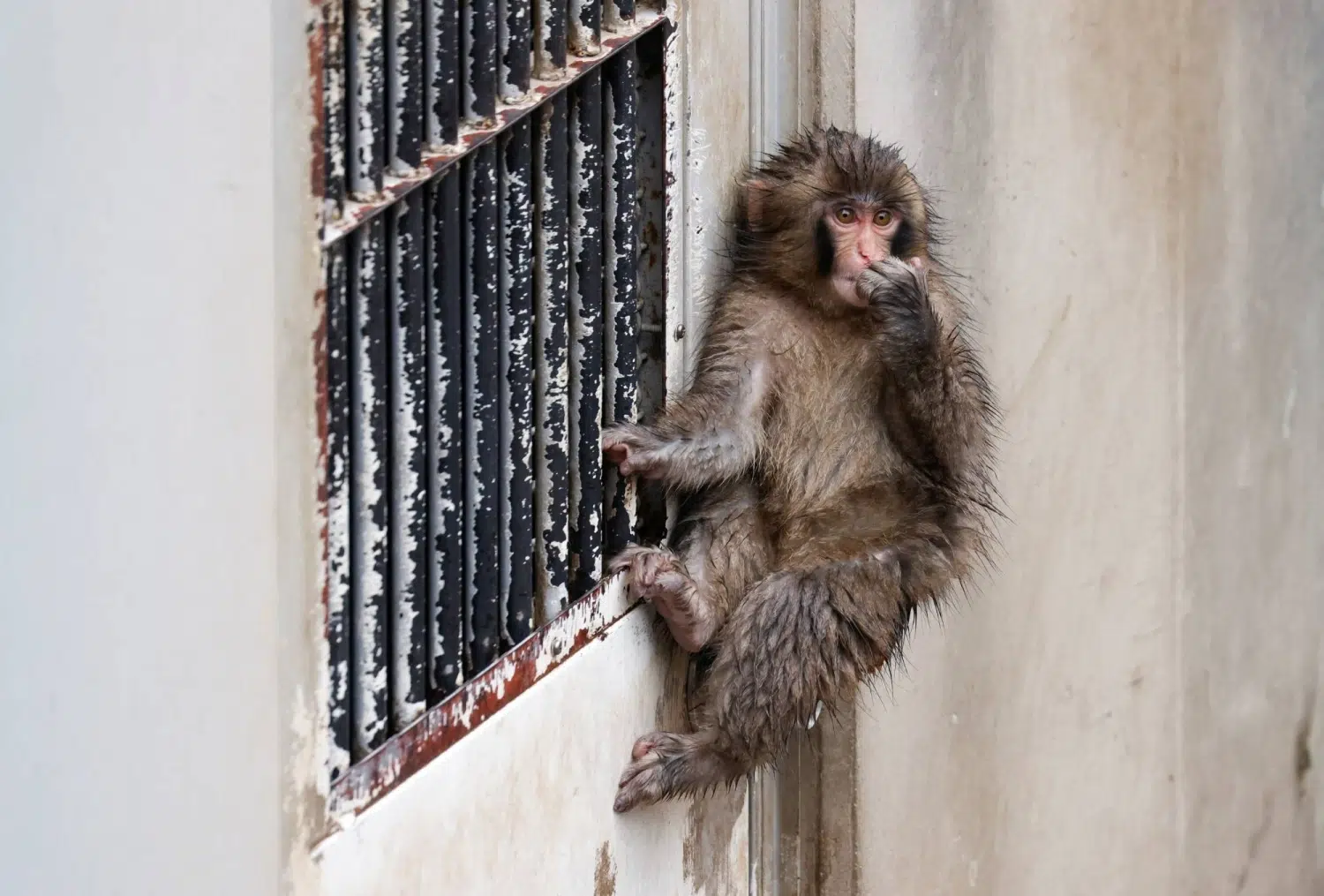
Punch’s Daily Life
Although thousands of people visit the zoo every day to see him, Punch usually ignores his fans. He prefers to:
- Play with chains in his enclosure.
- Participate in grooming sessions with the elders.
- Occasionally steal snacks from other troop members.
He no longer runs around with his orangutan plush toy during the day, although he still cuddles with it at night. The zoo keeps two copies to be able to clean them daily.
Controversies and Zoo’s Defense
Fame also brought criticism. Some videos showed older monkeys hitting Punch, raising concerns among animal advocates like PETA, who called for him to be moved to a sanctuary. The zoo responded with statements explaining the social dynamics of primates and defending their efforts to reintegrate him.
Punch went from being a lonely and vulnerable monkey to becoming a cultural phenomenon and an economic engine for his zoo. His story reflects how empathy towards animals can mobilize communities, generate financial support, and offer hope in difficult times.



