



Two decades ago, the chimango was a rarity in Mar del Plata. Nowadays, its silhouette flies over avenues, parks, and beaches naturally. In just twenty years, its population has grown exponentially: an estimated density of more than 60 specimens per square kilometer in urban areas, and more than 80 in the surrounding rural areas.
This increase not only transformed the landscape but also the relationship between people and birds of prey. The chimango went from being a countryside inhabitant to a symbol of wildlife adaptation to human-modified environments.
Its increasingly common presence reflects both the loss of natural ecosystems and the ability of wildlife to reinvent itself in the face of environmental changes.

Main characteristics of the chimango
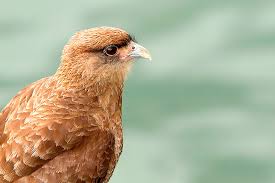
The chimango (Milvago chimango) is a medium-sized bird of prey, belonging to the falcon family. Its brown plumage, serene flight, and sharp intelligence make it a discreet yet constant observer of the human environment.
It has a varied and flexible diet: it consumes small rodents, insects, food scraps, and carrion. This versatility has made it an effective regulator of abundant species such as pigeons and mice, playing a significant ecological role in urban balance.
With diurnal habits and great curiosity, the chimango is sociable, opportunistic, and capable of learning behaviors associated with human presence. This plasticity allows it to thrive in environments where other species cannot survive.
Its natural habitat and conditions for a full life
Originally, the chimango inhabited open areas, grasslands, and farmland. In these environments, it found varied food, safe nesting sites, and an ecological balance that regulated its population.
Urban expansion profoundly altered these spaces. The fragmentation of habitat and the reduction of natural prey pushed it towards cities, where it found new opportunities: shelters, absence of predators, and an abundance of garbage or domestic animals.
However, a full life for this species depends on conditions that the urban environment often does not guarantee. Pollution, traffic, the scarcity of trees for nesting, and poor waste management pose constant risks to its health and survival.
The chimango as an ecological ally of cities
Although its massive presence generates controversies, chimangos fulfill essential ecological functions in urban ecosystems. They control populations of rodents and invasive birds, clean organic waste, and help prevent the spread of diseases.
Its adaptability makes it an indicator of environmental changes. An increase in its number may reveal ecological imbalances —such as excess waste or disruption of the food chain— that cities should address with sustainable environmental policies.
At the same time, its coexistence with humans offers opportunities to rethink the relationship between urbanism and biodiversity, promoting greener and more balanced environments.
Conservation status and warning signs
In Argentina, the chimango is not classified as a threatened species. However, its changing behavior warns of profound transformations in the environment. Its abundance in urban areas contrasts with its progressive disappearance in rural areas, where it was once common.
Possible causes include the expansion of the agricultural frontier, the use of agrochemicals, deforestation, and the loss of natural prey. These factors reduce the possibilities for feeding and nesting in the countryside, forcing the species to seek refuge in human environments.
If rural ecosystems continue to deteriorate, the chimango may become an almost exclusive inhabitant of cities. This shift, although seemingly a successful adaptation, is a warning sign about human impact on natural landscapes.
A shared future between nature and city
The recent history of the chimango shows that wildlife is not immune to urban decisions. Every open garbage bag, every green space preserved or lost, influences its behavior and survival.
Protecting its presence does not mean controlling its number, but balancing the environmental conditions that push it closer to people. Managing waste, preserving trees, and reducing pesticide use are fundamental steps for that goal.
The chimango, the “South American crow,” not only adapted to humans: it learned to coexist with them. Its flight among buildings is a reminder that nature, even among asphalt, always finds a way to remain present.



