



The most intense appearance **of rodents in** **El Bolsón** put the local community on alert. These animals are appearing in **homes, educational institutions, and even in vehicles**.
This phenomenon, which has generated great **concern about the potential health consequences** it may bring, could be directly related to the [forest fires that devastated the region](https://noticiasambientales.com/medio-ambiente/incendios-forestales-en-la-patagonia-se-cuadriplico-la-superficie-afectada-y-fue-la-peor-temporada-en-30-anos/) during the summer.
The conditions may have forced the fauna to **move towards urban areas** in search of shelter and food. What do the specialists evaluate?
## The hypothesis: fire and rodent displacement
Residents of the town reported an increase in **sightings of** **rats**, with documented cases of rodents in schools and vehicle engines.
The presence of excrement in cars has raised alarms, with the main hypothesis being that the animal exodus is due to the destruction of their natural habitat by the **Confluencia fire**.
From the [Regional Unit of Epidemiology and Environmental Health (Uresa)](https://salud.rionegro.gov.ar/programa/530/uresas?n=NzA4Ozc2NA) in **El Bolsón**, coordinator **Luis Sepúlveda** confirmed that, although they did not receive massive reports, the connection with the fires “is not far-fetched”.
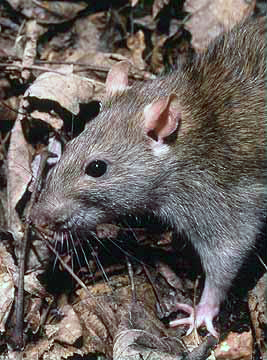
He explained to *El Cordillerano* that, a few weeks after the fire was under control, there was a peak in reports of **rodents in peri-urban and rural areas**, a situation that exceeded the usual sightings in wooded areas.
## Three species and their habitats: mouse, guarén, and long-tailed mouse
Specialists have differentiated the types of rodents that are appearing, also highlighting that not all of them represent the same risk. These are:
– The **mouse**: a species **accustomed to urban environments**, subsists with the resources it finds in the vicinity of homes.
– The **guarén**: a larger species that inhabits the interface between rural and urban areas, usually near water sources. The size of the excrement found in the engines of cars in **the area** suggests that it is this species, supporting the theory of displacement due to the fire in the **Mallín Ahogado** area.
– The **long-tailed mouse**: known to be the **vector of** **hantavirus**, is a rodent with wild habits that rarely enters populated areas.
Understanding the difference between these species is key to properly managing the problem, according to the specialists. The presence of guarenes in inhabited areas is a clear indicator of the **environmental impact of the fire**, as their natural habitat has been altered.
## Public health recommendations

Given this situation, the health authorities of the region emphasize the importance of prevention to **avoid any health risks**, particularly [hantavirus](https://noticiasambientales.com/animales/confirman-un-caso-de-hantavirus-en-el-parque-nacional-los-alerces/).
Uresa intervenes directly when specific reports are made, so it is recommended that the population **remain vigilant and report** any unusual sightings.
Citizen collaboration is essential to monitor the situation and ensure the safety of the community.

