



The Animal Law and Defense Foundation filed a criminal complaint against the Jumbo supermarket chain in Chile, accusing it of animal abuse for the display and handling of live lobsters in various branches across the country.
The legal action was admitted for processing and is based on audiovisual records sent by citizens, which would show the conditions in which the crustaceans were kept.
Complaint: small aquariums and live boiling
According to the complaint, the lobsters were kept in very small, dirty aquariums without food. Additionally, it is alleged that once selected by customers, they were boiled alive, which —according to the foundation— constitutes a practice that causes extreme suffering.
The organization disseminated the action through its social networks, stating:
“We filed a criminal complaint against Jumbo for animal abuse, after verifying the display of live lobsters in deplorable conditions in various branches across the country.”
Company response
The company confirmed that they are aware of the complaint and issued an official statement:
- Review of background: “Jumbo informs that it is aware of the legal action and is reviewing the background.”
- Regulatory compliance: the company assured that handling procedures are carried out in accordance with the current regulations, ensuring “the highest standards of quality and food safety.”
- Commitment to sustainability: they highlighted their Blue Seal program, which promotes responsible fishing in all their supermarkets nationwide.
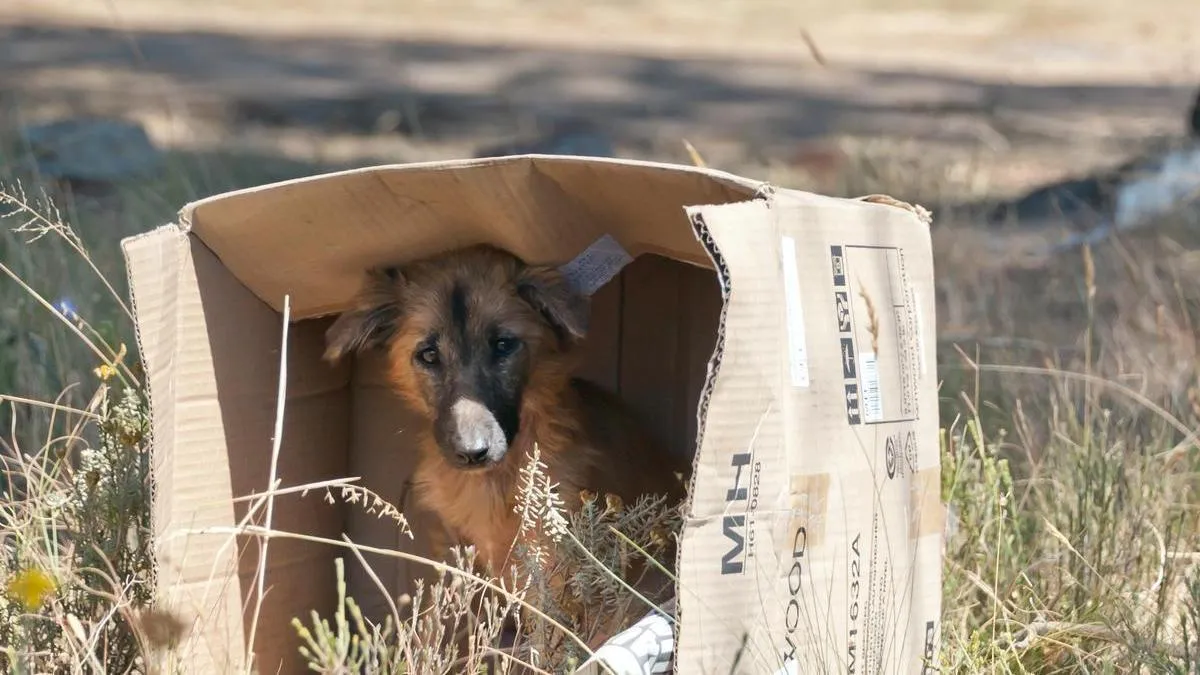
Animal abuse: a social and public health issue
The complaint against Jumbo reopens the debate on animal abuse in Chile, a topic that transcends ethics and also affects public health and social coexistence.
Impact on animals
- Animal welfare: preventing suffering, injuries, and diseases.
- Public health: responsible ownership and population control reduce health risks.
Impact on society
- Social bond: the way we treat animals reflects collective values.
- Violence prevention: studies show the relationship between animal abuse and violence towards people.
- Legal responsibility: the Responsible Ownership Law (Cholito Law) establishes clear obligations for pet owners.
Legal framework and advances in Chile
Chile has made progress in animal protection with regulations such as the Cholito Law, which regulates responsible ownership. Additionally, there is an ongoing debate about the modification of the Civil Code to recognize animals as sentient beings and not just as movable property.
Other key actions include:
- Education: campaigns to prevent abandonment and promote empathy.
- Citizen complaints: essential to highlight and sanction cases of abuse.
A more empathetic and responsible society
The complaint against Jumbo brings to the forefront the need to harmonize commercial practices with respect for animal welfare. Protecting animals not only prevents suffering but also strengthens social cohesion, prevents violence, and promotes values of empathy and responsibility.
The case will be key to observing how Chilean justice applies current legislation and how companies respond to growing social demands for dignified treatment of animals.



