



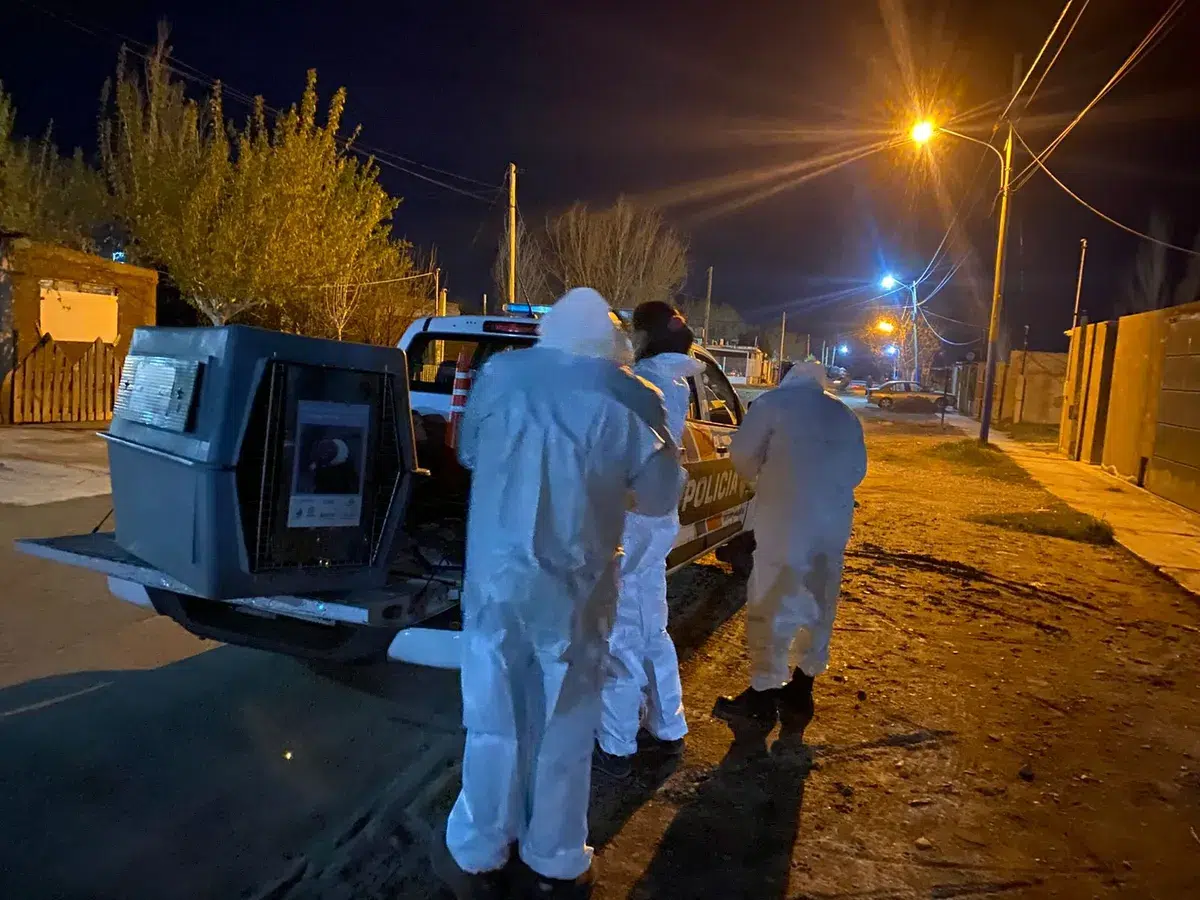
An operation in the Municipal Subdivision Las Chacritas, in 9 de Julio, San Juan province, allowed the rescue of an Andean condor that was in a situation of captivity inside a private residence. The procedure was coordinated by police personnel along with wildlife specialists, who ensured the safety of the bird and its subsequent transfer to a specialized center.
The specimen was evaluated by professionals who verified its health status and arranged for its admission to the Wildlife Park, where it will remain under observation until it can be determined if it is suitable to return to nature. The rescue reopens the debate on illegal trafficking and possession of wild species, a problem that jeopardizes both the animals and the ecosystems they are part of.
The Andean condor is one of the most representative symbols of South American wildlife. However, its population faces multiple threats derived from habitat loss, poisoning, and poaching. Capturing them to keep them in captivity constitutes an environmental crime and a practice that threatens the survival of the species.
The intervention in 9 de Julio highlights the importance of citizen reporting and the coordinated work between authorities and technical teams that ensure the protection of biodiversity.
Conservation status and risks of captivity
The Andean condor is classified as a globally vulnerable species, with fragmented populations in several countries in South America. The reduction of its natural habitat, the use of toxic baits, and human activities have led to a significant decrease in their numbers. Their conservation depends on rescue programs, controlled captive breeding, and release, as well as awareness campaigns.
Having a condor in captivity not only implies ecological damage, but also compromises their health and behavior. These birds have wingspans of over three meters and require large spaces to fly. In confined spaces, they experience muscle atrophy, stress, and loss of skills necessary to survive in the wild.
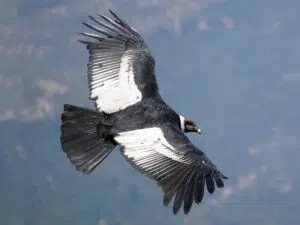 Andean condor.
Other consequences of confinement
Furthermore, prolonged contact with humans alters their natural behaviors, making their reintegration into the wild difficult. Dependency on artificial feeding and the lack of stimuli typical of their habitat reduce their chances of adaptation.
The rescue in Las Chacritas reflects the urgency of strengthening wildlife protection policies and educating society about the consequences of keeping wild animals as pets. Protecting the Andean condor is not only preserving an emblematic species, but also maintaining the balance of the Andean ecosystems where it plays a fundamental role as a scavenger bird.



