



The most unexpected runway of the season doesn’t have humans strutting, but pets. Petwear, an animal trend that seemed unthinkable a few years ago, has become a new form of luxury and style. From Gucci to Adidas, major fashion brands have decided that pets, that beloved family member, also deserve to have their own high-end wardrobe.
This phenomenon has spread massively thanks to social media and the rise of e-commerce. More and more designers are incorporating pets into their collections. With clothing, accessories, and even beds, the pet-friendly market is not only a response to a new need, but also a marketing strategy that takes advantage of the increasing humanization of animals.
It’s not an isolated phenomenon. According to Euromonitor, the market for premium pet products is rapidly growing in several countries, especially those that have adopted a luxurious lifestyle. After the pandemic, pets began to be seen as full-fledged family members, which further fueled the petwear trend. Nowadays, a well-dressed pet becomes another luxury accessory, just like a designer bag or a pair of sneakers.
For some brands, like Adidas Originals or Gucci, this market niche not only means a way to increase sales, but also an opportunity to strengthen the emotional bond with their consumers. By including pets in their collections, these brands expand their style universe and reinforce the visual identity highly valued by their most exclusive customers.

Pet Fashion: Luxury Gets New Paws
From capsule collections to limited editions, luxury brands have decided that pets should not only look like part of the family, but also part of the elite. Adidas, for example, launched a collection designed for the Chinese market with accessories such as leather collars and bags to transport pets, while Gucci Pet Collection not only offers beds and leashes, but also garments featuring the iconic GG monogram, a style statement for the most exclusive animals.
Moschino didn’t stay behind, surprising the public with a collaboration with H&M that introduced coats and accessories for dogs with its characteristic maximalist style. Ralph Lauren, on the other hand, bet on the RL Pet line, which includes everything from sweaters to quilted jackets with the unmistakable Scottish tartan. Versace, always daring in its proposals, did the same with collars and bowls featuring their iconic baroque pattern and the Medusa as a symbol.
Beyond aesthetics and opulence, this animal trend responds to a deeper need: the search for belonging. In a world where social media have become the stage where our lives are staged, aligning one’s style with that of their pet has become a form of expression and visual cohesion. Brands know this and have found a new way to connect with their consumers through this ever stronger bond.
Thus, petwear is not just a passing trend, but a clear sign that pets have acquired a central role in consumers’ lives, and brands have known how to take advantage of this new role to create a fashion that, like never before, includes everyone.
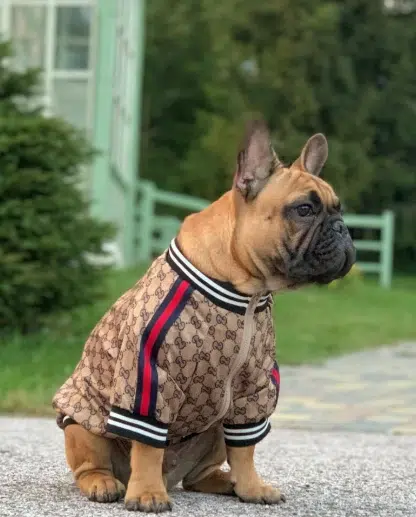
Animal Trend, a Fashion That Is Nothing New
The trend of dressing pets began to popularize at the end of the 20th century, especially in countries like Japan and the United States, where the bond between humans and companion animals became a form of personal expression. As dogs and cats gained space as family members, accessories and garments emerged that, besides being functional, met aesthetic and style criteria.
Initially, these garments served practical purposes: keeping small or short-haired breeds warm during winter, or protecting from sun and rain. However, by the 2000s, major brands began designing exclusive lines for pets, and social media further boosted the trend by showing pets dressed in clothing similar to that of their owners.
Today, the pet fashion market is a growing industry, encompassing everything from costumes to luxury clothing, reflecting not only affection for animals but also a projection of the guardians’ lifestyle onto their furry companions.


