



President José Antonio Kast, in power since March 2026, has pushed an economic agenda that prioritizes investment and the reduction of the State over environmental protection. In just three months, his government repealed decrees, delayed protected areas, and promoted reforms that subordinate environmental governance to business interests.
Chile, with a significant environmental history, is part of the Escazú Agreement and the Paris Agreement, in addition to leading global negotiations on plastics and the high seas. However, recent measures put decades of progress at risk.
Repealed Decrees and Regulatory Setbacks
On his second day in office, Kast repealed 43 supreme decrees approved by Gabriel Boric, which included:
- Emission standards for pollutants.
- Designation of new protected areas.
- Climate management instruments.
The Ministry of Environment justified the suspension as an “operational review,” but only six decrees have been reintroduced. The rest remain unclear, generating uncertainty among communities and organizations that participated in their development.
Reforms in the National Reconstruction Plan
The government included regressive environmental reforms in an “omnibus” bill along with fiscal and labor measures, making public scrutiny difficult. Among the most controversial changes:
- State insurance: public funds would compensate companies whose environmental resolutions are annulled by courts.
- Suppression of administrative resources: communities would lose mechanisms to challenge development projects.
- Reduction of appeal periods: the capacity for citizen defense against polluting projects would be limited.
The Future of SBAP at Risk
The Biodiversity and Protected Areas Service (SBAP), created in 2023 after more than a decade of debate, consolidated ecosystem protection into a single body. Chile has more than 160 protected areas, representing 37% of its terrestrial and marine surface.
The SBAP is essential for defining where investment projects can be installed and protecting valuable biodiversity areas. However, the government seeks to delay its regulation and the identification of priority sites, weakening its implementation.
Exceptional Biodiversity Under Threat
Chile hosts unique ecosystems:
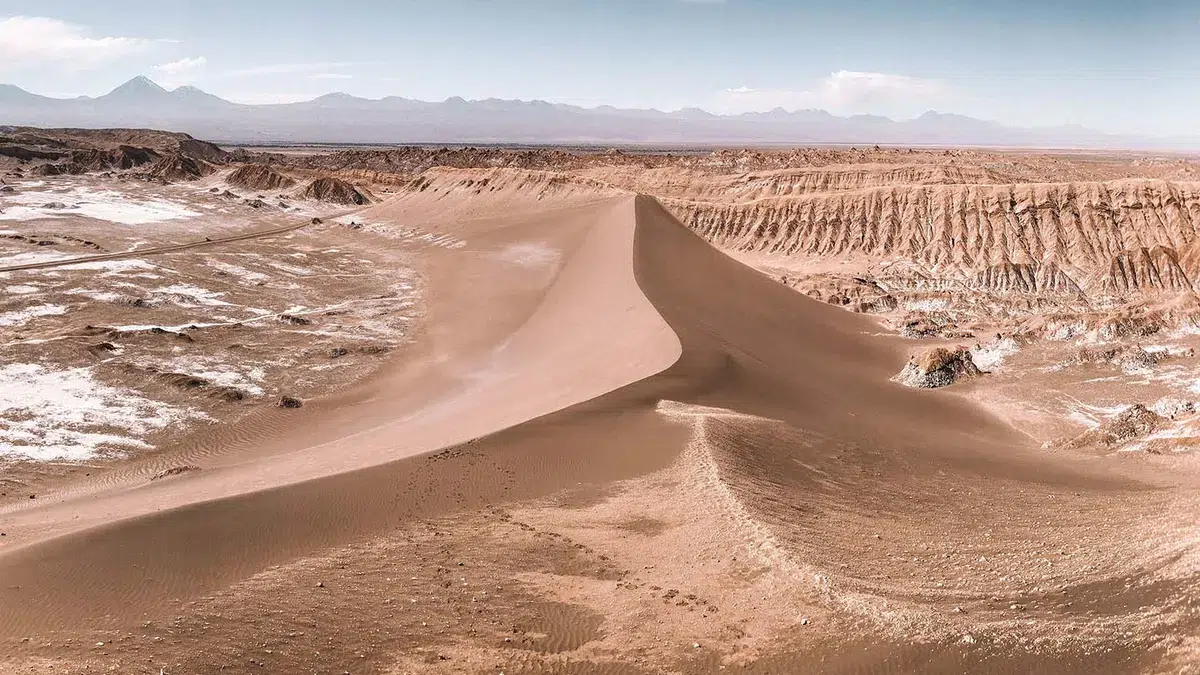
- The Atacama Desert, the driest in the world.
- Mediterranean valleys.
- Island ecosystems.
- Patagonian mountain ranges.
The protection of this diversity depends on solid legal frameworks. Delaying the SBAP and easing regulations exposes these territories to irreversible risks.
Chile’s environmental achievements were the result of decades of effort and democratic consensus. Kast’s agenda, by subordinating environmental protection to business investment, threatens to dismantle that legacy.
The country’s future will depend on whether it can balance economic development with the defense of its biodiversity and the fulfillment of international commitments.



