



The City of Buenos Aires took a firm step in recent days by significantly toughening penalties for animal abuse and pet abandonment.
With the approval of a new animal welfare law, fines are significantly strengthened for those who mistreat, abandon, or neglect their pets.
This measure comes in a context where, despite the nearly 860,000 pets living in the capital, the 12,000 reports of abuse over the past four years had not found effective responses.
Fines, community service, and arrest: the new sanctions
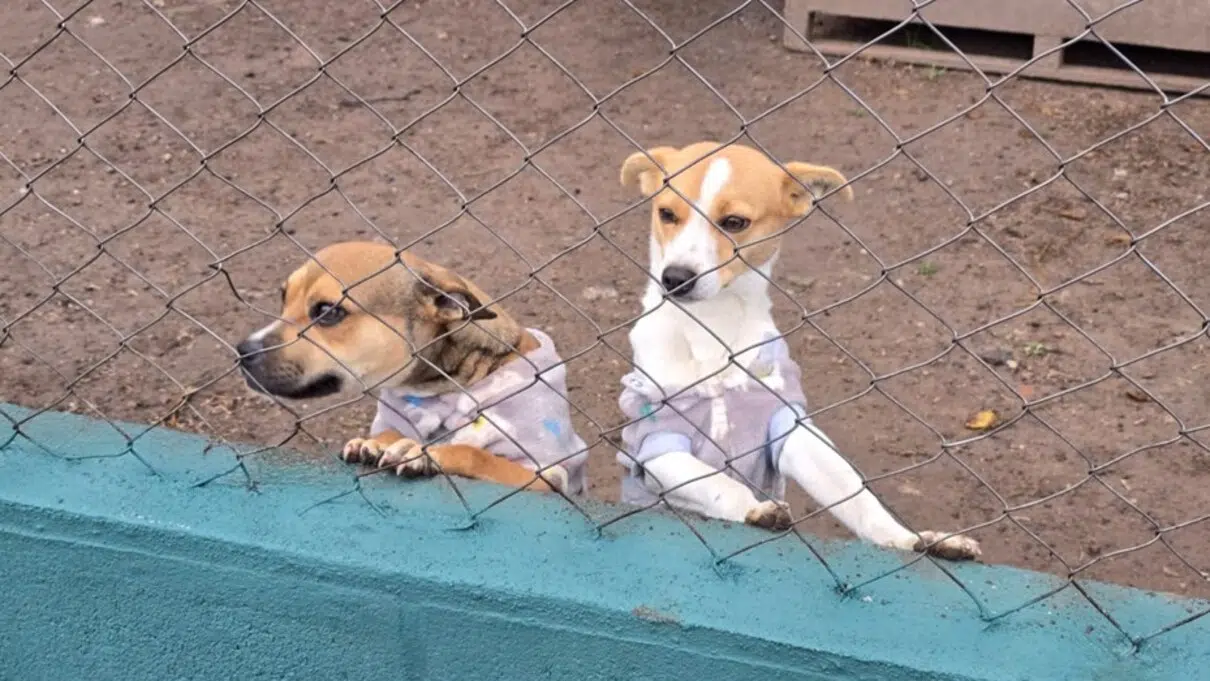 Penalties provided for.
The regulations introduce more severe punishments to deter mistreatment. There will be fines of up to $8 million pesos, community service of up to 60 days, and the possibility of arrest in the most severe cases:
- Fines up to $8,000,000
- Community service for up to 90 days.
- Arrest from 15 to 30 days, especially in cases of severe abandonment.
- Prohibition from having contact with animals for a maximum of two years.
Animal abandonment on public roads has become a priority under the new law. Those who abandon a dog or cat to their fate will face direct consequences, including arrest, community service of up to 90 days, or high fines.
Additional controls for animal protection
One of the central axes of the regulation is the creation of the Animal Abusers Registry, which will encompass individuals with a final conviction for illegal animal breeding, abandonment, or mistreatment.
The law also addresses other common mistreatment situations. For example, leaving a pet in a vehicle without ventilation will be sanctioned with up to 60 days of community service and fines of up to $2,794,273.
Furthermore, illegal animal breeding is penalized, which can now result in fines of nearly $4 million and 90 days of public work.
Urban coexistence: the key to the new regulation
The new regulation not only focuses on mistreatment but also on responsible coexistence. Therefore, not picking up the pet’s feces on the street will become an offense with fines ranging from $111,776 to $798,510.
An alarming fact from a study by the Urban Hygiene Observatory reveals the necessity of this measure: 97% of the city blocks have uncaptured pet waste. The law also makes it mandatory to use a leash, muzzle (if applicable), and an identification tag.
Offenders Registry: punishment will have a history
One of the most important tools of the law is the creation of the Animal Abuse Law Offenders Registry. It will record all sanctioned individuals, facilitating the tracking of repeat offenders.
 The regulation aims to prioritize pet care.
The funds collected through fines will be allocated to spaying, vaccination, and awareness programs, reinforcing the city’s commitment to animal welfare.
“Our commitment is clear: there will be no place for animal abuse in the City,” stated Emmanuel Ferrario, the project’s driving force. He emphasized that this law is a crucial first step towards a society that is more respectful towards animals.


