



A recent police check in Banda del Río Salí, Tucumán, revealed an increase in wildlife trafficking. Three turtles were found hidden in a man’s backpack, an isolated incident that reflects a practice that is becoming more widespread (source).
These animals, protected by provincial laws, were rescued and taken to conservation centers. However, the core of the problem goes beyond: illegal trafficking not only affects biodiversity, but often leads to the abandonment and suffering of the captured species.
According to official figures, more than 1,500 wild birds have already been seized in 2025, many of them found in deplorable conditions. The increase in rescues reflects both increased criminal activity and a more active state response.
But operations do not always reach everyone, and hundreds of animals remain trapped in the illegal circuit, subjected to overcrowding, malnutrition, and ultimately, abandonment when they no longer have commercial value.
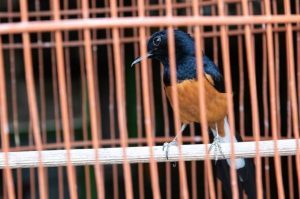 Increase in wildlife trafficking in Tucumán.
The invisible side of trafficking: abandonment and suffering
The capture of birds like goldfinches, cardinals, or parrots for clandestine sale implies profound disruptions in ecosystems. Many of these birds are torn from their nests and transported under inadequate conditions, leading to their death or forced abandonment.
Other species, like owls, suffer fractures during their capture or transportation. Unable to fly, their reintegration into wildlife is unfeasible. Some are sacrificed to spare them from further suffering.
The fate of these animals is often uncertain: if not rescued in time, they end up in domestic cages, illegal fairs, or released without control, generating ecological imbalances and diseases.
Rescue centers, such as those in El Cadillal or reserves like Horco Molle, make enormous efforts to rehabilitate the seized animals. However, not all manage to survive or be reintegrated into their habitat.
How to help stop the increase in wildlife trafficking
Stopping the illegal trafficking of wildlife is not solely the State’s task. Society plays a crucial role through reporting and raising awareness. If someone is seen selling wild animals or keeping them as pets, they can be reported anonymously.
Another way is to avoid buying these species, which is the most direct way to break the trafficking cycle. Each bird, reptile, or mammal purchased feeds a chain of suffering, death, and environmental imbalance.
Supporting rescue and conservation centers by volunteering or spreading awareness campaigns is also helpful. The more people know about this issue, the more they can act to stop it.
It is important to remember that wild animals are not pets. Their place is in nature. Protecting them is also safeguarding the environment and people’s health.
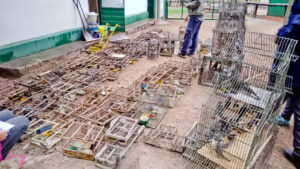 Illegal trafficking of birds.
The damage is profound, but it can be reversed
Illegal trafficking and abandonment of wildlife not only threaten the lives of captured animals but also weaken local ecosystems. Each bird taken from its environment breaks an essential ecological chain for the balance of biodiversity.
Many times, abandoned or released animals without control do not survive either. They do not know how to feed themselves or become easy prey for predators. Others introduce diseases to wild populations, exacerbating the situation.
Taking action in time, reporting, and avoiding the consumption of wildlife as commodities are concrete steps toward a more respectful coexistence model. Because abandonment is not just a consequence: it is also a social responsibility.


