



The potential opening of the hunting season in the province of Entre Ríos has reignited an environmental conflict involving public agencies, productive sectors, and civil organizations. In this context, a public hearing scheduled in the city of Victoria will be decisive.
However, the process is already generating questions. Various entities warn about the lack of equitable participation, which could affect the legitimacy of the instance.
Furthermore, the precedent of previous hearings marked by controversies increases the concern. Therefore, the debate transcends the specific decision and puts institutional transparency at stake.
Demands for participation and conflicting precedents
A group of socio-environmental organizations formally requested to present their position. Among them are CEYDAS, Conciencia Animal, Ecoguay, and Arroyo Perucho Salvaje.
In this regard, they demand equality of conditions compared to the hunting sector. They consider it essential that their arguments be heard before making a decision.
They also recall that in 2025 there were conflicts due to the exclusion of these actors. That hearing, held in Rosario del Tala, ended in strong complaints.
A judicial context that conditions the decision
The current scenario is marked by legal challenges. There are unconstitutionality lawsuits related to previous hunting authorizations in the province.
Moreover, judicial decisions from previous years had already pointed out irregularities. This reinforces the need to review the current procedures.
On the other hand, the organizations argue that proceeding without resolving these precedents could deepen the conflict. Consequently, they emphasize the urgency of a broader debate.

The dangers of hunting native birds
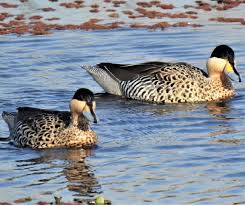
The hunting of native birds generates significant impacts on ecosystems. Firstly, it reduces populations that perform key functions in seed dispersal and insect control.
Additionally, hunting pressure can alter the ecological balance. This affects not only the target species, but also others that depend on them.
Moreover, the decline in birds impacts regional biodiversity. The loss of these species weakens the resilience of ecosystems against environmental changes.
Furthermore, intensive hunting can hinder the recovery of populations. In many cases, reproductive rates do not compensate for the losses.
Finally, these practices also affect nature tourism. Bird watching is a growing activity that depends on the conservation of wildlife.
A decision with environmental and social impact
The hearing in Victoria presents itself as a turning point. There, it will be decided whether a new hunting season will be authorized.
However, the outcome will not only have environmental consequences. It will also influence the relationship between the State and civil society.
Ultimately, the conflict reflects the need to balance productive interests with the protection of biodiversity. The challenge will be to build evidence-based decisions and real participation.


