



The story of Francisca, a young elephant seal who stayed 41 days on the beach of Piriápolis, became a unique event for the Uruguayan resort.
Her birth and growth on the sand were accompanied by locals, tourists, and rescue organizations, leaving an indelible memory in the community.
A historic birth on the Uruguayan coast
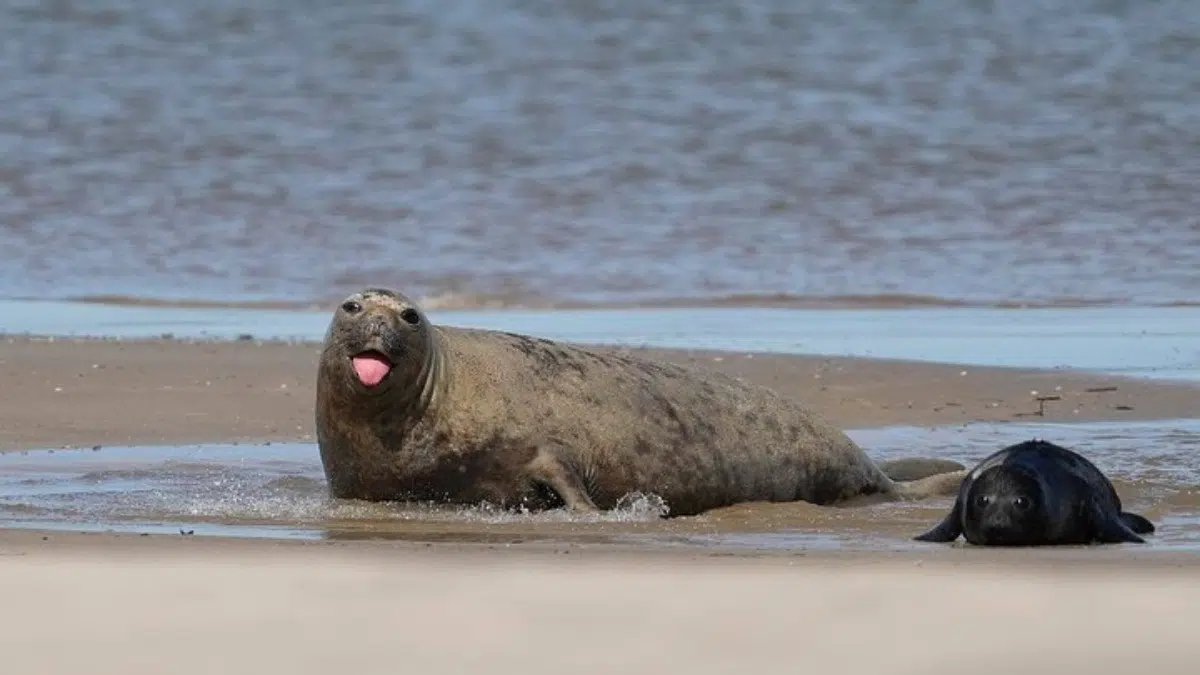
Francisca was born in October, after her mother arrived at the beach and stayed for several weeks under the care of SOS Rescate Fauna Marina, which set up a perimeter to ensure the safety of both animals.
- Initially, it was thought that the calf was male and was called Francisco, but it was later confirmed to be female.
- Over time, the mother returned to the sea, and the calf remained on the sand, creating a special bond with locals and visitors.
- During the November holiday, Francisca became a tourist attraction, resting in front of the lifeguard station near the Argentino Hotel, where hundreds of people came to observe her and share the moment on social media.
Her serenity conveyed a message of respectful coexistence with the wildlife that visits the Uruguayan coasts.
Appearances in Maldonado and Rocha
In parallel, another elephant seal arrived to give birth in Maldonado, reinforcing the importance of these coasts as a space for rest and reproduction.
Earlier this week, two new specimens were spotted in Rocha:
- One in the resort La Pedrera.
- Another in Costa Azul, a female that caught the attention of rescuer Richard Tesore, who suggested she might be about to give birth, which would mark a second historic birth in Uruguay.
Environmental context and migrations
The presence of elephant seals in Uruguay is explained by several factors:
- Avian flu: epidemics in southern colonies, such as in the Falklands, caused the death of almost 60% of the population, disrupting the colonies and encouraging dispersion to new coasts.
- Oil activity: the sound bombardment from prospecting could be affecting their ecosystem and behavior.
- Natural resting behavior: the animals seek quiet beaches to rest, especially in early stages of maturation.
Recommendations for coexistence
Given the appearance of elephant seals on Uruguayan beaches, specialists reiterate the importance of maintaining responsible practices:
- Do not approach: respect at least 50 meters of distance and avoid bringing pets.
- Do not disturb: avoid loud noises, fireworks, or any disturbance.
- Report: notify the Coast Guard or local NGOs so they can monitor the specimen.
Francisca’s departure to the sea marked the end of a stage that left a mark in Piriápolis and in the collective memory of the country. Her stay was a reminder of the natural wealth of the Uruguayan coasts and the need to promote responsible practices when encountering wildlife.
The birth of Francisca and the new appearances in Rocha and Maldonado reinforce the importance of Uruguay as a space for rest and reproduction for elephant seals, in a context of environmental crisis that demands respect, vigilance, and citizen awareness.



