



The southwest coast of Africa is undergoing a silent transformation that is altering the ocean’s balance. The African penguin, a marine emblem of South Africa and Namibia, faces a growing pressure due to the lack of food.
New research warns that more and more individuals have to compete with fishing fleets in the same areas where they search for fish. When sardine and anchovy populations fall, encounters with boats become constant and dangerous.
Scientists observed that, in years of scarcity, a significant part of the colony feeds in the same spaces as commercial fishing. This overlap not only reduces the chances of finding food but also forces adults to travel greater distances. During the breeding season, that energy demand can determine the survival or failure of an entire brood.
Fishing pressure alters the usual dynamics of these seabirds, which depend on the immediate availability of fish. When biomass decreases, penguins must move further offshore, losing valuable time to care for their chicks. This unequal competition is leading the species to a critical situation.

The African penguin, a unique species of the South Atlantic
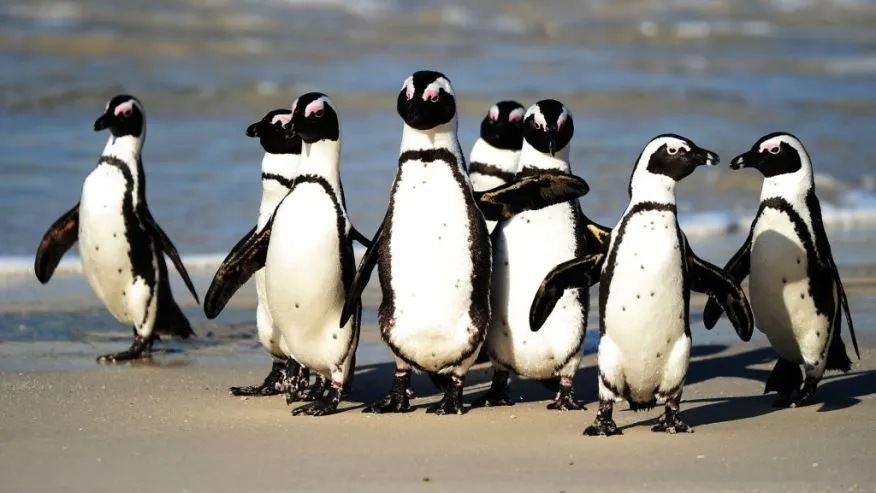
The African penguin is a seabird that only inhabits South Africa and Namibia. Its diet is mainly based on small fish, such as sardines and anchovies, occasionally supplemented with squid. They are robust swimmers, capable of covering great distances to support their chicks during the breeding season.
The species is characterized by its intense vocalizations and its collaboration in nest care. Adults take turns incubating the eggs and foraging, a strategy that demands energy precision. Their cycle depends entirely on the proximity of fish shoals, a resource that is currently under strong pressure.
African penguins nest in burrows dug into the ground or under rocks. This natural architecture protects them from extreme heat and some coastal predators. However, the reduction of food directly threatens the reproductive success of each season.
An ecosystem altered by fishing
In years of abundance, the proportion of penguins coinciding with fishing boats remains low. But in periods of scarcity, contact increases drastically and exposes the colonies to greater stress.
Purse seine fishing, aimed at catching sardines and anchovies, competes for the same resources that sustain the birds. The situation worsens during breeding, when they need to find food quickly.
Adults must optimize each trip to the sea to not neglect the chicks, which depend on constant return. Any extra movement reduces the chances of survival for the chicks.
The growing competition has led to calls for a review of the permitted fishing areas near the colonies. In some sectors, exclusion zones have been established to protect the most critical feeding sites. Without these measures, the population decline could accelerate even further.
Conservation status and how to protect it
The African penguin population has decreased by about 80% in the last three decades. This abrupt decline is linked to the decrease in fish, intensive fishing, and the degradation of coastal habitats.
The species has been classified as in critical condition and its future depends on urgent actions. Protecting feeding areas is one of the most effective tools to halt the decline. Regulated marine areas allow fish shoals to recover and birds to find nearby resources.
These measures reduce energy effort and increase reproductive success. Fisheries management with an ecosystem approach is key to balancing human needs and conservation.
Regulating catches, monitoring fish populations, and adapting fishing zones according to resource availability can prevent collapses. The survival of the African penguin requires sustained commitments between governments, industry, and environmental organizations.



