



An invasive deer in Chaco was recently confirmed by a study. This finding represents a serious threat to local fauna.
The specific specimen is an axis deer (Axis axis), which is found in the wild in a protected area of the province.
Detection was achieved through monitoring with trap cameras within the Loro Hablador Provincial Natural Park (PNPLH), marking the first photographic record of this invasive species in the region.
Why is the axis deer a threat in Chaco?
The study was led by a Biology student from the National University of the Northeast (UNNE), Giuliana Pernazza, along with the Quimilero Project team and with the collaboration of provincial park rangers.
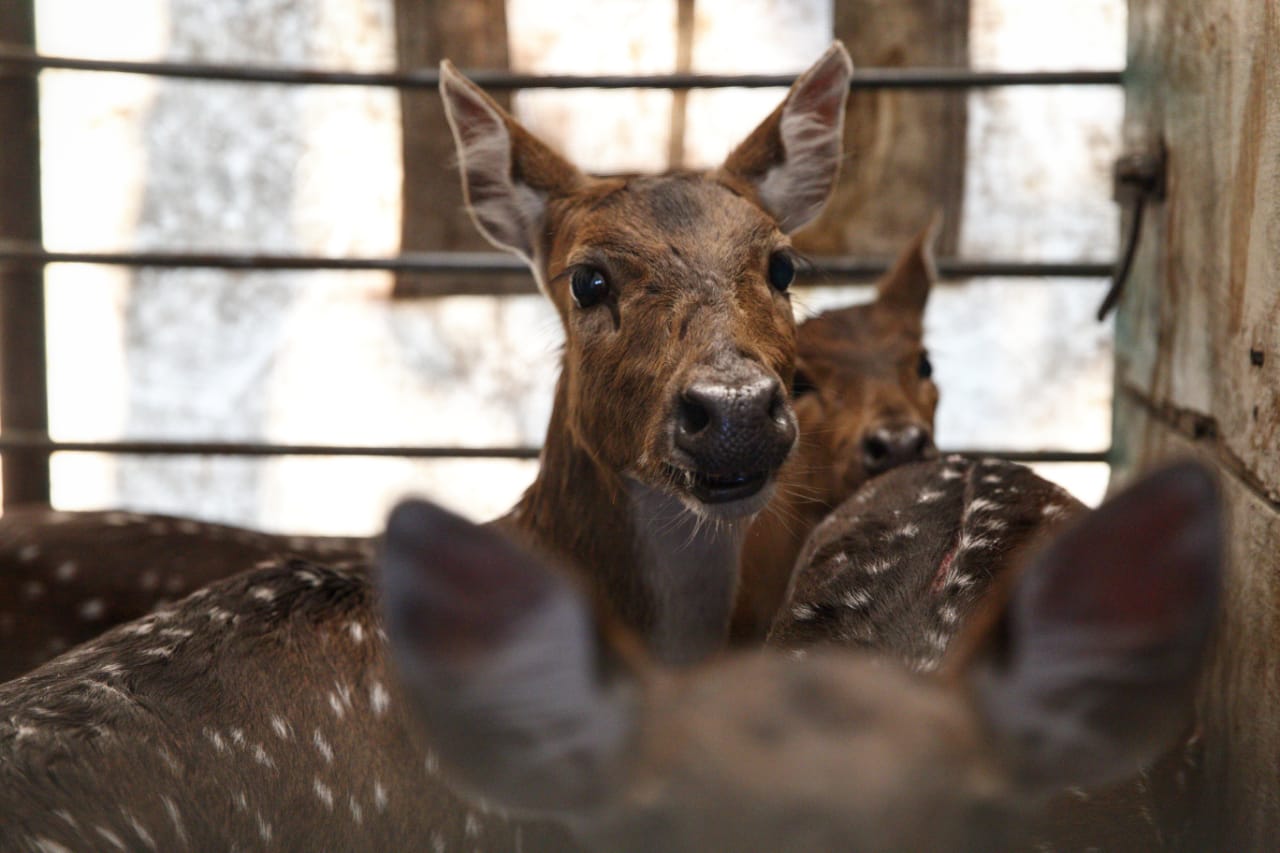 Why the axis deer is a threat to local fauna.
Originally from Asia, the axis deer was introduced to Argentina for hunting purposes. Although it was already present in hunting preserves in the province, its escape to the wild makes it an exotic invasive species with high potential. This is because its presence could:
- Compete with the native fauna which is already threatened.
- Displace local deer species, such as the brown brocket deer.
- Transmit parasitic diseases to other native animals and livestock.
Given that many species in Chaco are in danger of extinction, the discovery of this animal in the PNPLH, an area dedicated to conservation, is particularly alarming.
Alert and Recommendations for Conservation
Following this discovery, the student and the Quimilero Project team alerted provincial authorities. In this regard, the study recommends monitoring the species in the protected natural areas of the province and, if possible, removing the detected individual.
The finding was also published in a scientific article in the journal Notes on South American Mammals to inform the scientific community.
According to local media reports, researchers called on the Subsecretariat of the Environment and the Directorate of Protected Areas of Chaco to take action against this new threat.
“We hope that management and control strategies for exotic invasive species can be designed,” they pointed out. The conservation of ecosystems and the diversity of native species is crucial, and this discovery emphasizes the need to protect natural heritage for future generations.
Invasive Species: The Most Concerning for the Caribbean
The presence of invasive species worldwide always raises concerns regarding the protection of wildlife and local ecosystems.
Identification is crucial in this, as it provides the necessary information to move forward in subsequent steps. In this sense, this year, the journal One Health identified the 13 most concerning exotic invasive species (EIS) in the pet and aquarium trade in seven Caribbean countries.
Among the species, the red-eared slider turtle (Trachemys scripta elegans), Amazon parrots and macaws stand out. These species, popular as pets, have caused serious problems when escaping or being released, competing with native fauna and spreading diseases.



