



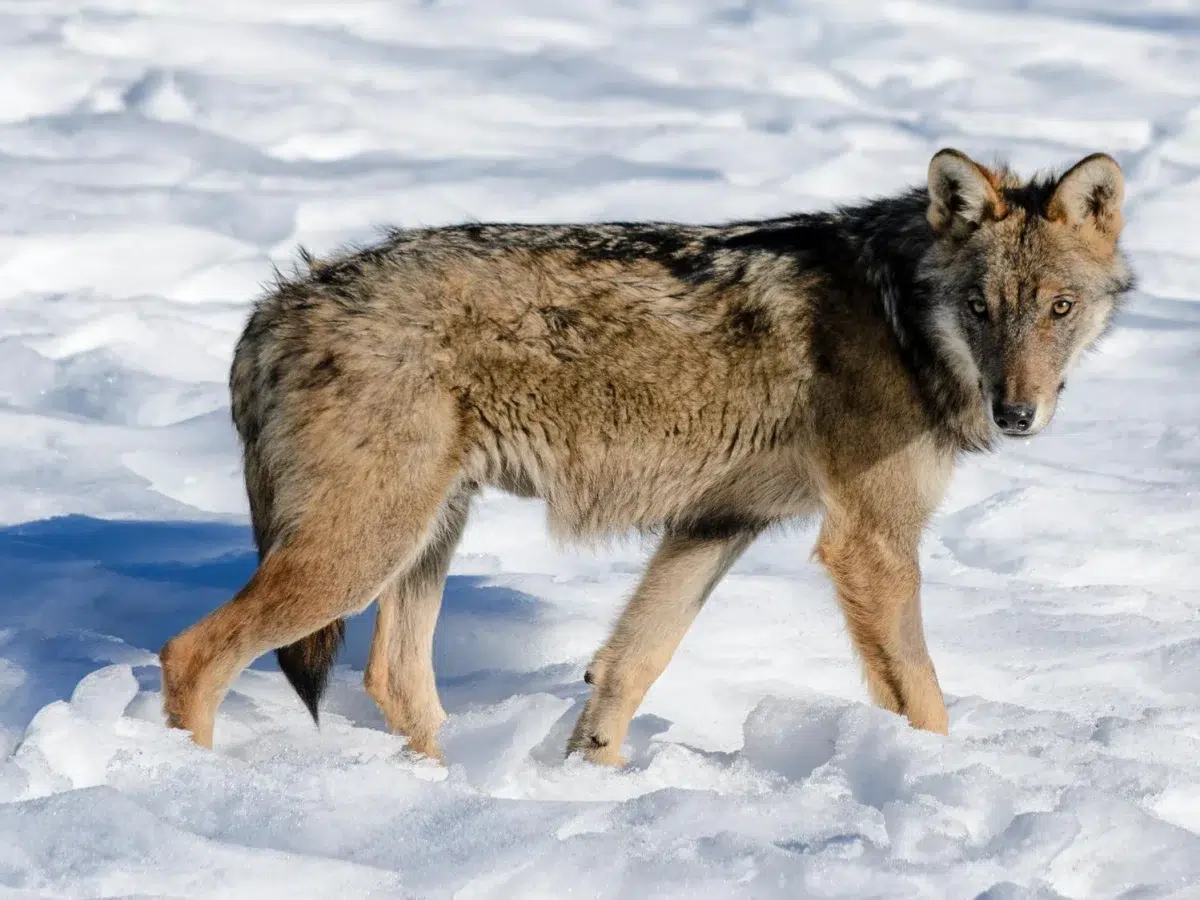
The population of wolves in Italy is currently estimated between 3,000 and 3,500 specimens, a notable contrast to the situation in the seventies when the species was on the brink of extinction.
This resurgence has sparked a growing debate about the coexistence between wildlife and human communities, especially in the region of Emilia-Romagna.
Urban sightings and social alarm
In early January, a video recorded in Pesaro went viral showing a wolf walking down a residential street. In the following weeks, dozens of sightings were recorded in cities like Rimini and Cesena, including images of wolves strolling alongside homes and even a pack devouring a cat in the middle of the street.
On January 6, the regional airport Fellini of Rimini suspended all operations after detecting a pack of four wolves near the runway. Although only one flight was affected, the incident highlighted the magnitude of the problem.
Causes of presence in urban areas
According to wildlife expert Pier Claudio Arrigoni, the wolves present in the area for the past two years were attracted by hares displaced from their usual habitats due to snow.
Environmental scientist Tania Bascucci, from the Wolf Help Desk service, pointed out that garbage bags, containers, and dog food in gardens are also attracting wolves to the cities.
Risks and prevention measures
Attacks on humans are rare, but wolves do attack dogs, sheep, goats, and cattle, considered easy prey. Recommendations include:
- Keeping animals in enclosed areas at night.
- Building “anti-wolf” fences inclined at 45 degrees to prevent climbing.
However, these measures generate resistance among neighbors, who consider the requirements to erect high fences, electrification, or keeping dogs and cats confined excessive.
Social and political debate
In Rimini, residents created a “wolf emergency” committee, stating that coexistence is impossible and that they must choose between territory for humans or for wolves. They argue that more than 100 years ago wolves were not present and that at that time farmers had specialized hunters to eliminate them.
On the other hand, conservation organizations like the WWF highlight the benefits of the wolf’s return, noting that its presence restores ecological balance and helps control the wild boar population, which has grown dramatically.
European framework and national management
The European Parliament downgraded in 2025 the protection status of the wolf in the EU from “strictly protected” to “protected”, granting more flexibility to member states to manage their populations and reduce the impact on local communities.
However, the authorities of Emilia-Romagna warn that the national management plan in force since 2002 does not reflect this change, making it difficult to implement measures adapted to the new reality.
Next steps
At the end of January, the local mayors, the Police Commissioner, and the Carabinieri (forest police) will meet to review the containment strategy and define policies that allow balancing wolf conservation with the safety of rural and urban communities.
The case of wolves in Italy reflects the tension between the recovery of an emblematic species and the challenges of coexistence with human populations. While some sectors demand stricter measures, others defend the ecological value of the wolf. The discussion becomes a European symbol of how to manage the return of large predators in a densely populated continent.



