



In recent years, the concept of family has undergone profound changes. For many young people, traditional parenthood has ceased to be a priority, opting instead to include animals as a central part of their homes. This decision is not always voluntary; factors such as economic situation, the cost of raising children, and job instability play a decisive role.
Pets have transitioned from being mere companions to becoming recipients of care previously reserved for humans: advanced veterinary care, specialized nutrition, recreational activities, clothing and accessories, or birthday celebrations. This new way of living together reflects a cultural and emotional shift.
In the past, dogs and other animals had practical functions such as guarding, hunting, or caring for livestock, and they lived outside the house. Nowadays, their primary role is to accompany and provide emotional support within the home, creating closer bonds and even affections comparable to those of family members.
This phenomenon is reinforced by changes in social structure: increased urbanization, growth of single-person households, and postponement of parenthood. In this context, the interspecific bond is consolidated and gains prominence in everyday life.
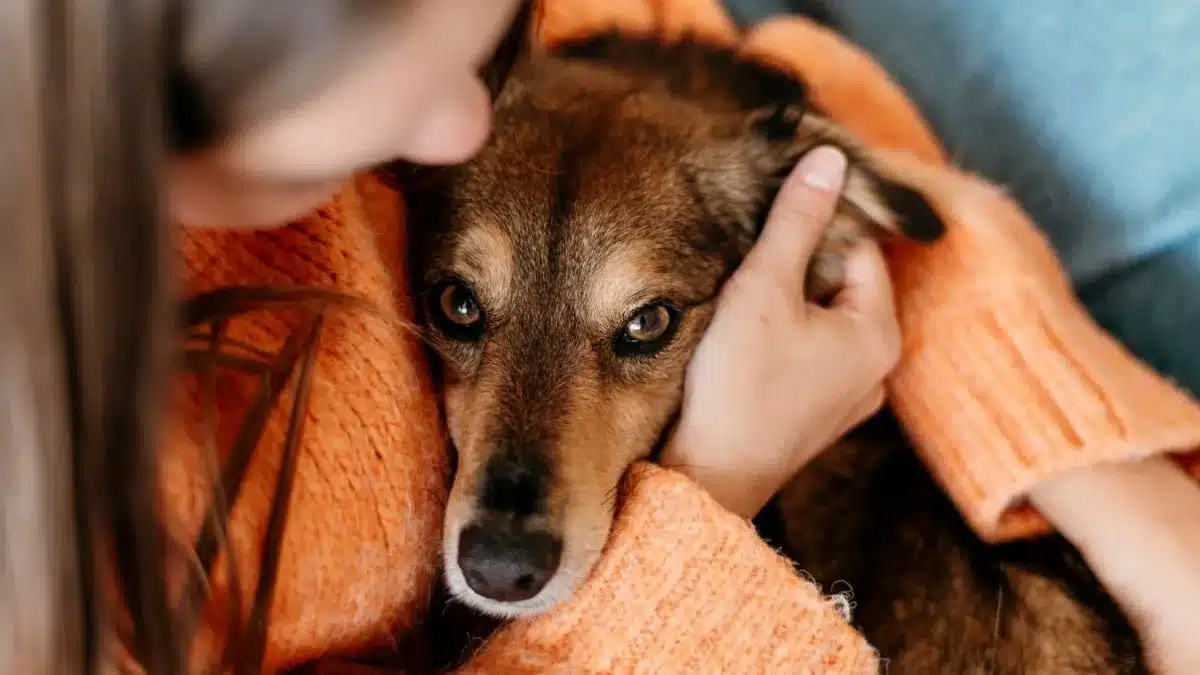 The importance of commitment to responsible pet ownership.
The balance between affection and animal welfare
The excessive humanization of pets is one of the risks that arise from this new family model. Although treating them as children can be a way to show affection, imposing human needs on them can affect their well-being. The pet products industry has fueled this trend, promoting consumption that does not always meet what they truly need.
Dogs share basic emotions with humans such as joy, fear, or sadness, but their behavior and needs are specific to their species. Understanding their signals, respecting their nature, and providing them with an environment suitable for their biology is essential for a healthy and balanced relationship.
When decisions regarding the bond focus on the human’s desires rather than the animal’s real needs, an asymmetric relationship is created that can affect their quality of life. Recognizing them as companions, not as substitutes for children, is key to avoiding this imbalance.
This trend does not appear to be temporary; everything indicates that it will continue to grow. The challenge is to integrate pets into daily life consciously, remembering that they are animals with instincts, habits, and behaviors that deserve to be respected.

Responsible adoption as the cornerstone of change
One of the most important steps for this transformation in the concept of family to be positive for animals is responsible adoption. This entails much more than offering a home: it involves assessing the time, space, resources, and commitment necessary to ensure them a fulfilling life.
Responsible adoption also means considering the compatibility between a person’s lifestyle and the needs of the animal. Active dogs require walks and constant stimulation, while other species or breeds may adapt better to small spaces. Avoiding impulsive adoptions is essential to prevent abandonment.
Furthermore, this approach promotes sustainable practices. Adopting instead of buying reduces the demand for breeding and businesses that often operate without ethical conditions. It also helps reduce overpopulation and animal suffering in shelters.
When incorporating a pet as a family member, it is not about filling emotional voids, but about building a respectful, lasting, and mutually beneficial bond. Conscious commitment, combined with empathy and respect for their nature, is the true driving force of a healthy and enriching coexistence.


