



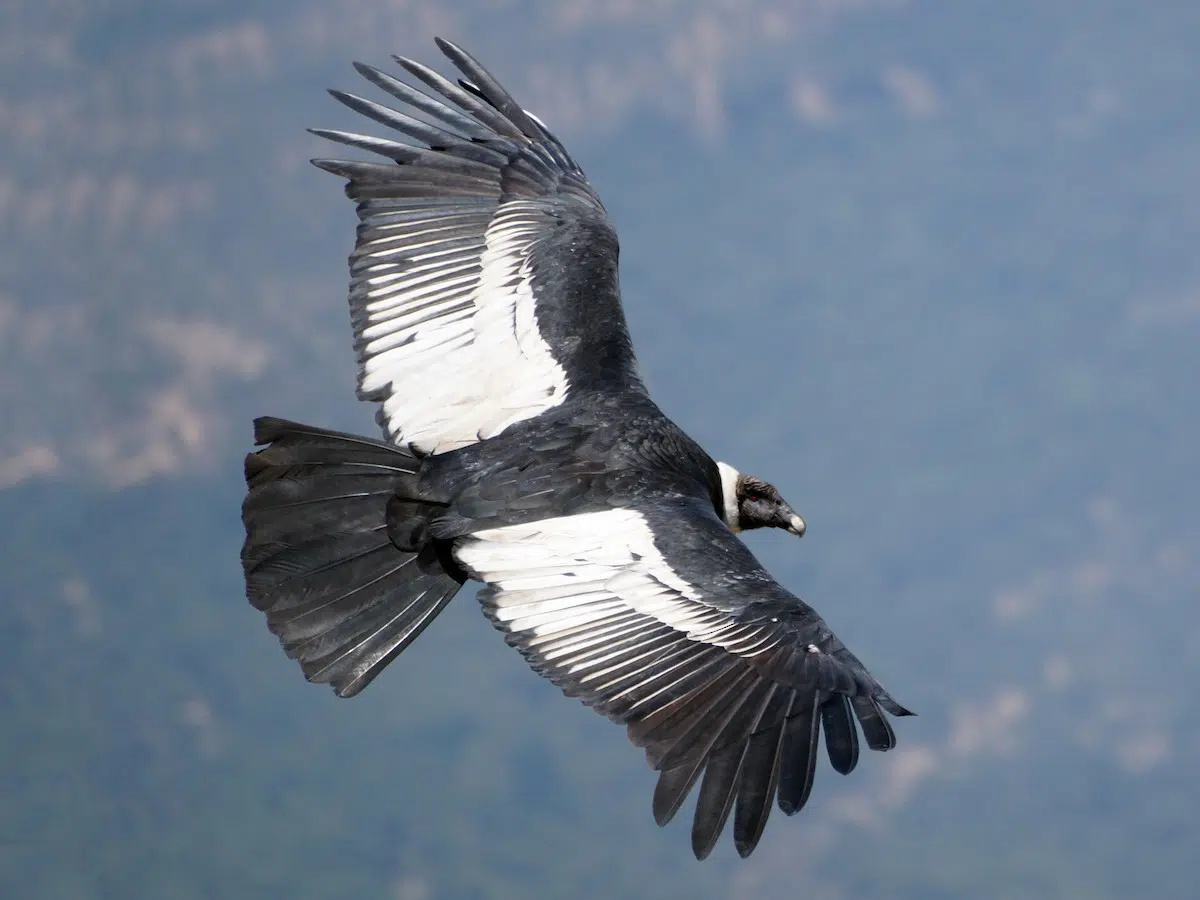
On June 9th, the Second Simultaneous Andean Condor Census (Vultur gryphus) took place in the provinces of Neuquén and Mendoza, an action framed within the Comprehensive Conservation Plan for the Andean Condor (PCCA).
The operation allows to update the population status of one of the most emblematic birds of South America and strengthen public policies for its effective protection.
The Andean condor is classified as an endangered species in Argentina, and its main threats are:
- Use of toxic baits
- Lead contamination
- Pesticides
- Habitat fragmentation
In the North Patagonia region, where massive mortality events have been recorded, continuous monitoring is key.
Results of the census in Neuquén
The sampling, coordinated by the Secretariat of Environment and Natural Resources, together with CEAN, Bioandina Argentina Foundation, National Parks Administration, and birdwatching clubs, yielded significant results:
- 33 condors were simultaneously recorded between 1:30 and 1:35 PM, a 43% more than in Mendoza
- 49 individuals were counted, between roosting and flying
- 63% were adults and 37% were immature, a proportion expected in healthy populations
- The roosts with the highest concentration were the Condor Observatory (13) and the Malleo area (12)
The day included 10 observation posts distributed between steppe and mountain range, with over 60 hours of fieldwork under optimal conditions.
Digital tools and scientific analysis
The census incorporated technologies to systematize information:
- Use of the Survey123 App to capture real-time data
- Processing with specialized software: R and QGIS
- Analysis of age characteristics, distribution, and relative abundance
This methodology improves the quality of evidence and allows for building models of spatial distribution and priority biological corridors together with CONICET.
Provincial commitment and national articulation
The day was made possible thanks to the agreement between the Secretariat of Environment and the Bioandina Foundation, which in 2023 declared the Protected Natural Areas of Neuquén as Condor Sanctuaries for Nature Conservation (SCCN). This figure promotes actions such as:
- Control and oversight
- Environmental education
- Permanent scientific monitoring
“Preserving the Andean condor is preserving the environmental health of our mountains and steppes,” highlighted Leticia Esteves, Secretary of Environment.
“Each data collected is a tool to protect biodiversity and a learning opportunity for future generations,” she added.
Currently, progress is being made in the articulation of a federal network of Condor Sanctuaries, covering over 76,000 km² in 11 provinces. It is planned to continue these experiences in Neuquén throughout all seasons of the year, consolidating the interjurisdictional and evidence-based approach.
Cover photo: Neuquén press

