



Cuando una wild offspring becomes orphaned, the line between animal instinct and human affection becomes blurred.
The true challenge is to sustain life without altering its essence, to accompany without domesticating, to care without erasing what makes it wild. The ultimate goal is for the animal to return to nature with its behavior intact.
The work at Fundación Temaikèn
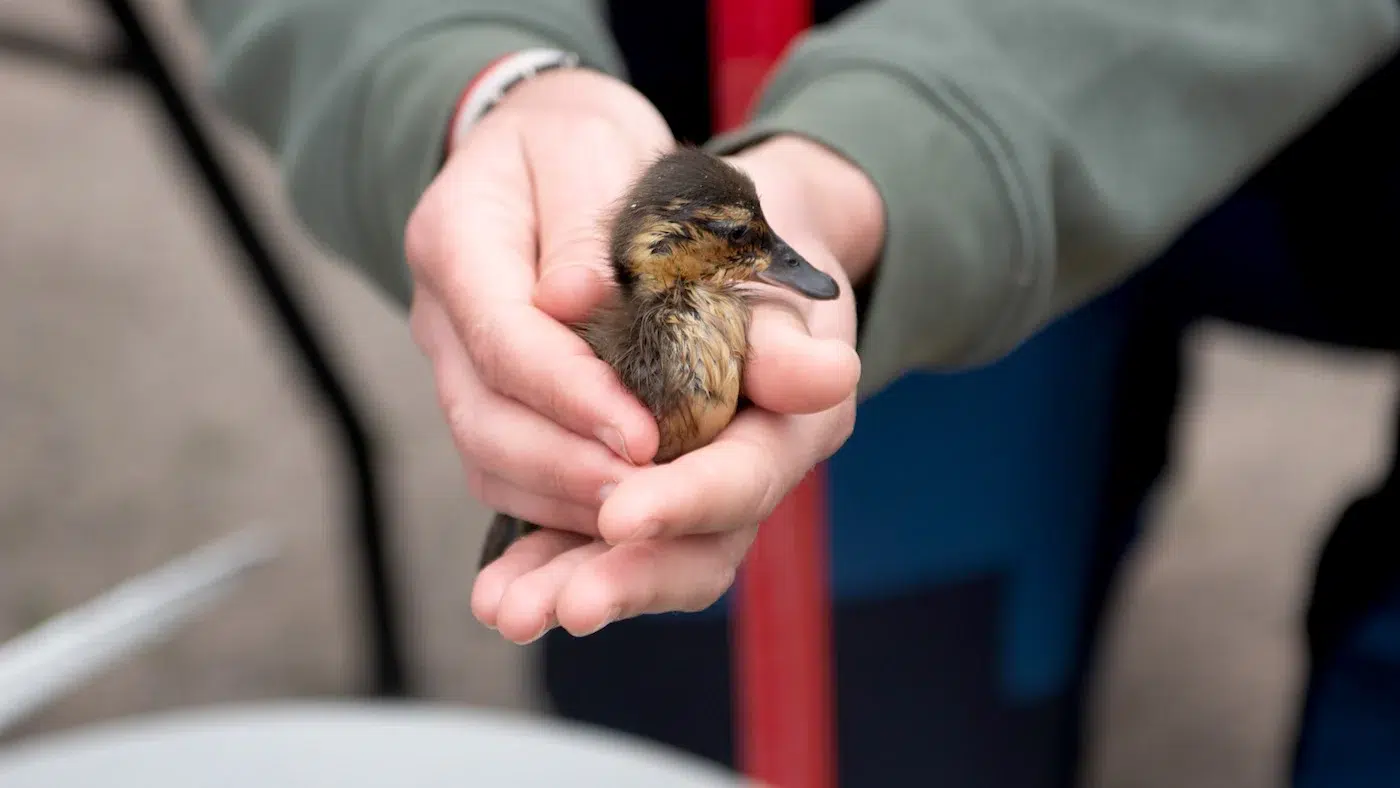
Each year, the Veterinary Hospital of Fundación Temaikèn receives dozens of orphaned offspring in critical condition. The team of veterinarians, caregivers, and nutritionists faces a dual challenge:
- To save them without developing human dependency.
- To ensure they behave as they would in the wild.
The key is to avoid imprinting, the phenomenon by which the offspring associates people as a mother and source of food. “A successful upbringing is when the animal does not associate food or care with humans,” explains Martín Gaubeca, veterinary assistant.
Breeding protocols
The process begins with temperature control and a comprehensive evaluation. Then, the offspring enter the Nursery area, where feeding and weight guidelines are defined.
- Details such as teats and milk temperature are adjusted.
- Masks are used to hide human faces and stuffed animals that simulate maternal presence are used, avoiding bonds with people.
Emblematic cases
- Wildcats: two offspring rescued from a fire arrived weighing just 200 grams. After two months of care, they learned to feed themselves and were reintroduced to the Ciervo de los Pantanos National Park.
- Orphaned bat: raised with a PVC and latex doll that allowed it to hang upside down, replicating its natural behavior and avoiding association with humans.
- Fox in critical condition: regained sight after intensive treatment with antibiotics and vitamins, allowing for plans for its reintroduction into nature.
Many animals arrive at the hospital because someone touched or moved them unknowingly. Gaubeca warns: “The best care we can give them is not to intervene: do not touch them, do not feed them, and do not remove them from their environment.”
Ecological and ethical impact
Successful reintroduction depends on strict discipline against humanization. Every decision aims for the orphaned animal to regain its place in nature, maintaining its wild instinct. This work not only protects individuals but also preserves the ecological function of each species in its habitat.
The journey of wild orphaned offspring is a story of patience, technique, and commitment. Rescuing them involves much more than saving lives: it means defending the essence of the wild and ensuring that each animal becomes part of the natural cycle from which it should never have departed.



