



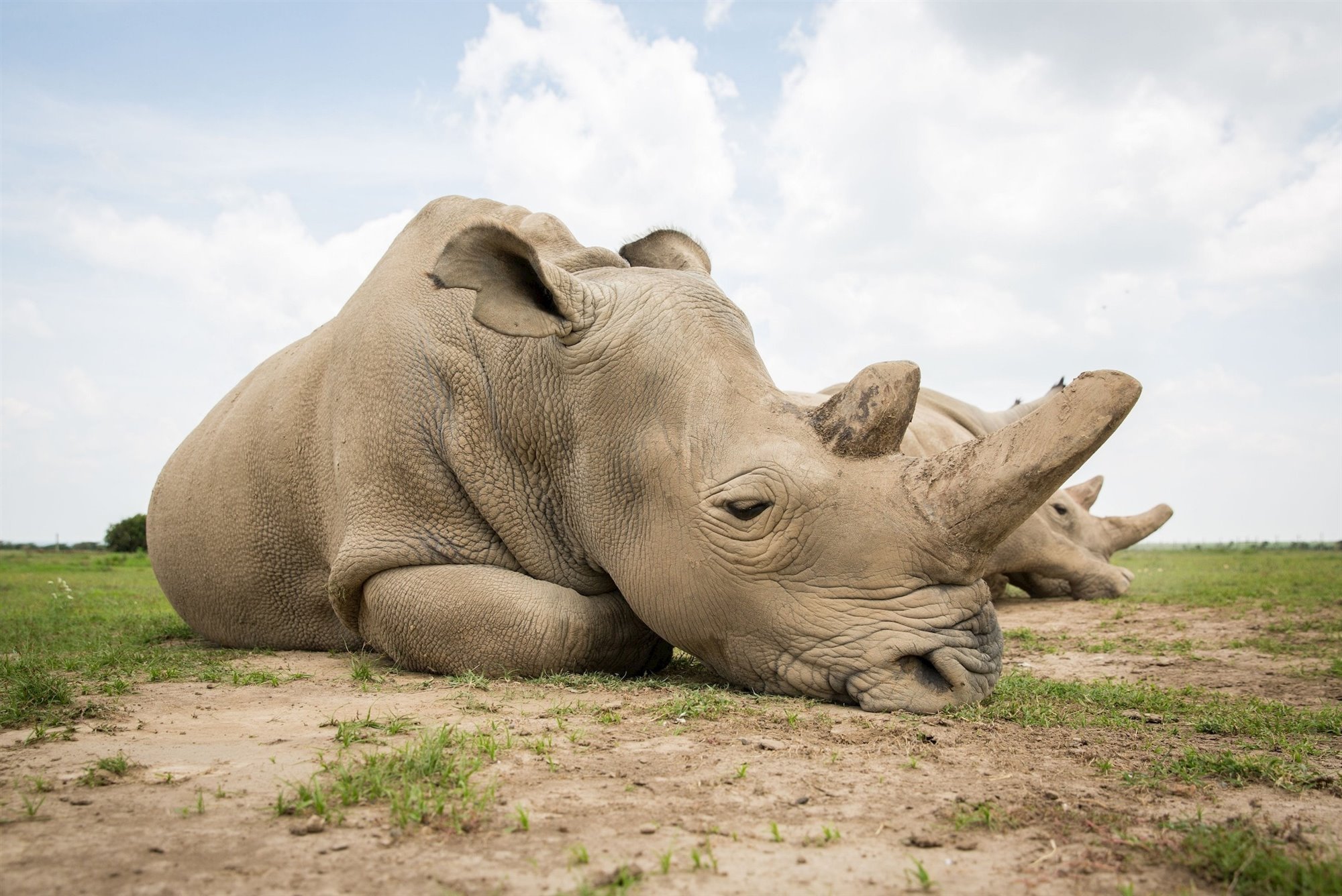
African and Asian rhinoceroses continue to face a critical situation, marked by poaching, illegal trade in horns, and the accumulated effects of prolonged droughts.
Although the latest reports show a reduction in poaching since 2021, the population recovery remains limited and fragile.
## The myth of the horn: medicine without evidence and lethal consequences
One of the main drivers of illegal trafficking is the mistaken belief in the healing properties of rhinoceros horn, promoted by sectors of traditional Chinese medicine.
However, it is scientifically proven that the horn is composed of keratin, the same protein present in human nails and hair, with no therapeutic value.
Despite this evidence, rhinoceroses continue to die due to the demand for a product with no medical efficacy.
## Global seizures: tons of horns in circulation
Between 2021 and 2023, over 750 seizures of rhinoceros horns were recorded worldwide, with a total estimated weight of 1.8 tons, equivalent to 716 complete horns.
According to the joint report by IUCN and TRAFFIC, South Africa concentrated 66% of the total seized weight, with shipments mainly directed to Malaysia and Vietnam.
## Challenges in law enforcement: incomplete data and limited monitoring
The report, commissioned by the CITES Secretariat, warns that the lack of standardized data, limited exchange of genetic samples, and inconsistency in seizure reports remain barriers to accurately assess the illegal market and the effectiveness of control measures.
According to Grethel Aguilar, Director General of IUCN, advancements in South Asia and some regions of Africa demonstrate that law enforcement with community participation and the protection of secure habitats can reverse population decline.
“Change is possible, but it requires sustained commitment and international cooperation,” Aguilar affirms.
## Factors limiting population growth
Although poaching has decreased, the population growth of rhinoceroses remains low. This is due to:
– Delayed impacts of past droughts
– Previous inaccurate censuses
– Mass relocations and dehorning programs that alter geographical distribution
## Key recommendations to ensure survival
Experts agree that to guarantee the future of rhinoceroses, it is essential to:
– Maintain and increase investment in conservation
– Strengthen law enforcement and reserve monitoring
– Actively involve local communities
– Promote international cooperation and information exchange
Without these coordinated actions, the future of several rhinoceros species will remain uncertain.



