



This Saturday, June 7th, the first Andean Condor Census will take place in the province of San Luis, a key action for the protection of this emblematic species. During the day, sighting tasks will be carried out at 23 strategic points between 8:30 and 14:00.
The initiative, promoted by the Secretariat of Environment and supported by various organizations, aims to understand the status of the local condor population and their use of the territory. This information will allow for more effective conservation strategies to be designed.
The methodology of this simultaneous first census is the most effective globally, as it avoids duplications in the count and facilitates accurate population estimates. The survey will also detect threats linked to human activity and environmental degradation.
Various conservation groups and mountain clubs have voluntarily joined this unprecedented initiative, which will mark a before and after in the environmental monitoring of San Luis.
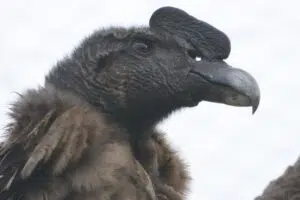
The census, a conservation tool: the role of the condor in ecosystem balance
The Andean condor, which can reach three meters in wingspan and live for over 70 years, is a natural cleaner of ecosystems. Its diet based on carrion helps prevent the spread of diseases and keeps other scavenger species in check.
The collected information will serve to validate abundance and ecological suitability maps. Knowing its population structure, dynamics, and distribution is essential to ensure its survival and the health of the ecosystems where it lives.

Conservation status of the Andean condor in the Argentinean Andes
The Andean condor (Vultur gryphus) is considered vulnerable in much of its distribution, including the Argentinean Andes. Although not critically endangered, populations have shown signs of decline due to multiple threats such as intentional poisoning, habitat loss, environmental pollution, and decrease in natural prey.
In the Andean region of Argentina, their natural habitat includes high mountain areas, canyons, cliffs, and open valleys, where they can soar long distances in search of food. These areas must have specific conditions: ascending thermal currents, availability of carrion, and elevated places for nesting and resting.
The expansion of human activities, such as extensive livestock farming, mining, and the use of agrochemicals, has altered their environment and limited their access to key resources. Moreover, traditional practices like the use of toxic baits for predators also indirectly affect condors, which consume these poisoned remains.
The effective conservation of this species depends on protecting its habitat, strengthening biological corridors along the Andes, and promoting educational programs that discourage harmful practices and reinforce their ecological and cultural value.



