



The accelerated disappearance of species not only transforms landscapes and impoverishes global biodiversity; it also erases entire chapters of knowledge, culture, and collective memory. Each extinction implies the loss of answers and possible futures that the species represented.
According to the analysis by Johannes M. Luetz (University of the Sunshine Coast, UNSW Sydney, and Alphacrucis College), published in The Conversation, the cost of this crisis is silent but devastating.
The so-called sixth mass extinction is accelerated by human activity: deforestation, pollution, agricultural expansion, introduction of invasive species, and climate change. The United Nations warns that up to one million species could become extinct this century, many before being studied.
Impact on Science
Numerous medical, technological, and agricultural advances have emerged from observing nature. The extinction of the gastric-brooding frog, whose females gestated their young in the stomach, deprived medicine of a unique phenomenon and possible clues for treating diseases such as reflux or certain cancers.
Each species that disappears is an irreplaceable page in the library of life, reducing opportunities for innovation and response to future challenges.
Cultural and Spiritual Loss
Extinction erodes the memory and identity of entire communities. Indigenous peoples have developed repertoires of knowledge and practices around the species that surround them. When an animal or plant disappears, songs, stories, and rituals transmitted over centuries are lost.
Illustrative examples:
- The Yangtze River dolphin in China erased traditions in just one generation.
- The song of the Kauaʻi ʻōʻō in Hawaii, declared extinct in 2023, survives only in recordings.
The loss also affects the spiritual dimension. Ecosystems like the Great Barrier Reef are revered in ancestral worldviews. Its degradation erodes nature’s ability to inspire awe and a transcendent sense.
Ecological and Economic Consequences
The disappearance of species affects the stability of productive systems and the health of ecosystems:
- Reduction of pollinators (bees, butterflies) impacts agricultural production and food security.
- Loss of natural predators favors pests and diseases.
- Each species fulfills a specific function; its absence triggers chain changes with unpredictable effects on human health and economic development.
Conservation Strategies
Luetz emphasizes the need for:
- Conservation policies and environmental education.
- Integration of traditional knowledge in decision-making.
- Documenting and protecting knowledge associated with endangered species.
- Restoring habitats and promoting international collaboration.
The mourning for lost species can transform into renewed awareness and deeper ecological commitment. Initiatives involving local communities, scientists, and public managers are essential to preserve the treasure of knowledge each species represents.
Extinctions and Risks in 2025
Although there were no confirmed mass extinctions, the following were officially declared extinct:
- Christmas Island shrew (Australia).
- Eskimo curlew (migratory bird).
- Conus snail (venomous mollusk).
- Three Australian mammals: southwestern barred bandicoot, southeastern barred bandicoot, and Nullarbor barred bandicoot.
Critically Endangered Animals
- Vaquita (world’s smallest cetacean).
- Sumatran rhinoceros.
- Western gorilla.
- Tamarin monkey.
- Pangolin.
- Tiger.
- Axolotl.
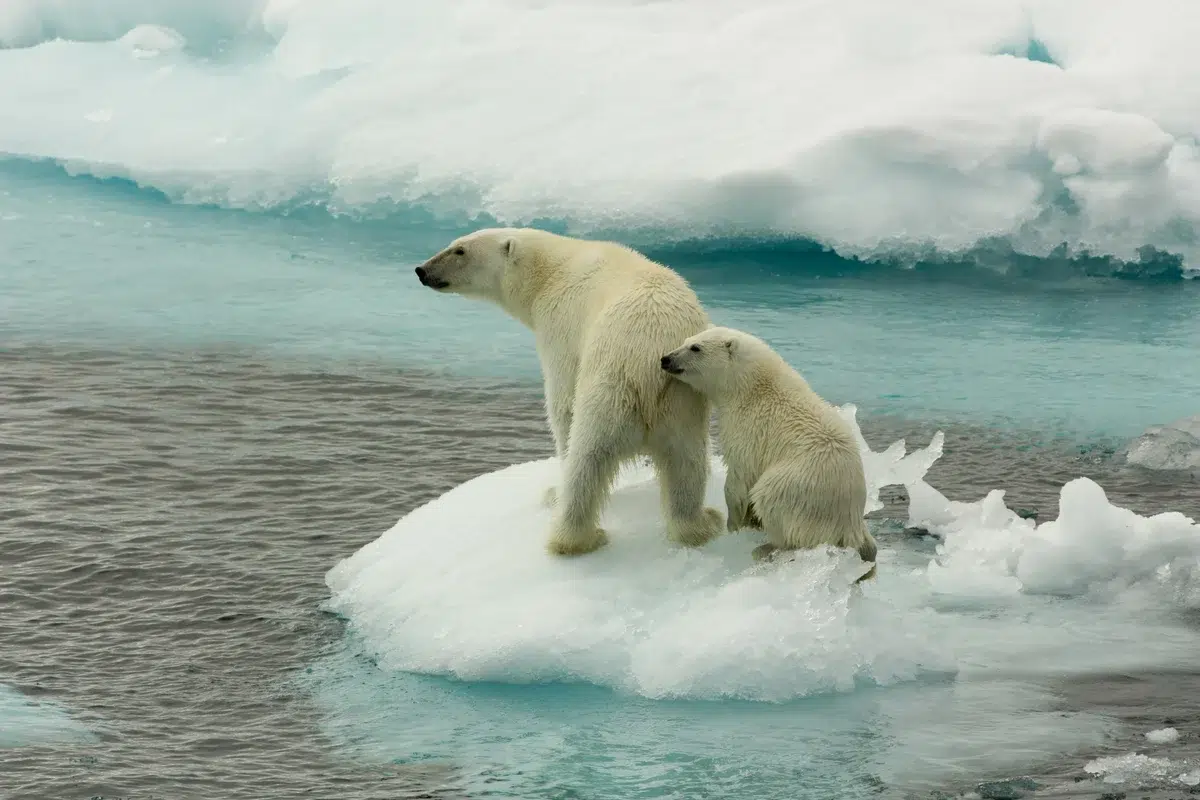
- Polar bear.
Highlighted News
- Debate on de-extinction: Colossal Biosciences cloned “dire wolf” puppies (extinct 12,500 years ago), opening discussions on genetics and species reintroduction.
- Scientific advances: methods are being explored to “revive” species like the dodo and woolly mammoth through ancient DNA and genetic editing.
Species extinction is much more than an environmental loss: it is a scientific, cultural, spiritual, and economic void. Each disappearance reduces humanity’s ability to innovate, remember, and coexist with nature. The urgency to act is clear: protecting biodiversity means preserving the memory, identity, and future of life on Earth.



