



This summer the jejenes, also known as black fly or barigüí, disrupted the routine of the inhabitants of the riverside towns in the province of Buenos Aires.
This insect increased its presence in recent days near the rivers and streams of Buenos Aires.
Although official sources did not classify the situation as an invasion, the phenomenon was linked to the rise in temperatures and the recent rains.
These environmental conditions favored the reproduction of the jejenes in watercourses of humid areas like Buenos Aires.
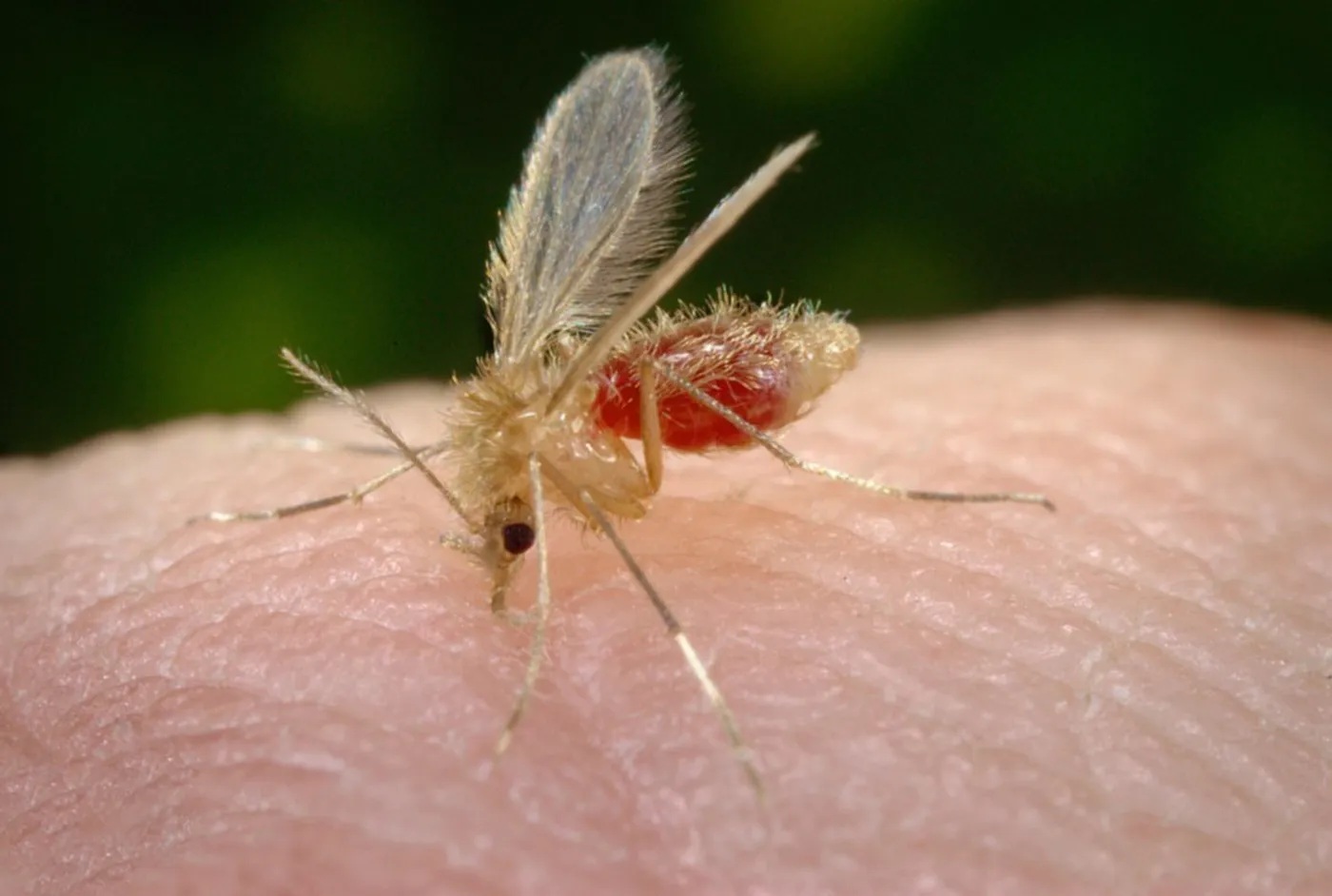
What are jejenes like and where do they reproduce in Buenos Aires
Known in Buenos Aires as jejenes, these insects belong to the family of simuliids and are called different names depending on the region.
For example, in Mendoza they are known as paquitas, in Brazil as borrachudos, and in the rest of the world as black flies.
According to Juan José García, a doctor in Natural Sciences from the National University of La Plata (UNLP), this insect has a life cycle consisting of four phases: egg, larva, pupa, and adult.
“They are insects that have two wings. The egg gives rise to the larvae, which go through several stages until they transform into pupae. From the pupae, adults, males and females, emerge and mate in swarms,” explained García, a retired scientific researcher from CICPBA and CEPAVE.
The reproduction of the jejenes depends on the presence of running and clean water. Therefore, their presence is marked near the rivers and streams of Buenos Aires.
There, the larvae and pupae attach to stones or submerged vegetation in watercourses.
“In Argentina, there are 71 species. Where there are streams or bodies of water with current and clean, there may be simuliids,” detailed the expert.
The proliferation of the jejenes increases during floods, when fields fill with water and rural channels facilitate their breeding.

Why do jejenes bite and what risks do they pose
The jejenes differ from other insects in their way of feeding. Unlike mosquitoes, they do not sting but bite the skin.
“Unlike mosquitoes, whose mouthparts penetrate a blood vessel, the barigüí cuts the skin with a structure similar to a saw. This produces a flow of blood that it absorbs with another sponge-like structure,” explained García.
This bite can cause allergic reactions of varying intensity. “The body suffers an allergic reaction. Depending on how allergic the individual is to that bite, the consequences will vary,” noted the specialist.
However, only the females need blood to complete their reproductive cycle. Therefore, male jejenes do not bite people or animals.
The problem is that the open wound left by the jejenes, which are now proliferating in Buenos Aires, can become an entry point for bacteria.
This occurs especially if the person scratches repeatedly. Moreover, the risk of complications increases in those who tend to have intense allergic reactions or in children, due to their tendency to scratch more frequently.
In light of this, keeping the wound clean and avoiding scratching are fundamental measures to prevent infections.

How to protect yourself from the bites of the jejenes invading Buenos Aires
To reduce the risk of bites, experts recommend following these measures:
- Wear light-colored clothing and long sleeves
- Avoid activities near rivers and streams in the early hours of the morning and late in the afternoon
- Apply appropriate repellents on exposed skin, although they are not as effective as against mosquitoes
- Stay away from riverside vegetation
- Apply local cold to relieve symptoms after a bite
The municipality of Junín reported that Zoonosis and Environment operators are conducting sampling and applications to combat reproduction areas.
According to Cecilia Laffaye, deputy secretary of Environment of the municipality, the eggs of the jejenes can remain latent for years. When the water level returns and oxygenates, the cycle begins, something that happened with the recent rains in Buenos Aires.
García warned that “in Argentina they do not represent a serious danger to public health,” although in northern localities some parasites transmitted by these insects have been found.
The authorities of Buenos Aires and other provinces maintain permanent actions of monitoring and control of jejenes throughout the year.
The aim is to reduce the impact of future proliferations and protect the population and the economy of the region.



