



At the Ishikawa Zoo, near Tokyo, a seven-month-old Japanese macaque became a symbol of global empathy. The monkey Punch was born in July 2025 and, from his early days, faced maternal rejection and group isolation.
However, the abandonment was not an isolated event. Caretakers pointed out that a complex birth and an intense heat wave might have influenced the mother’s behavior, who was a first-time mother and only four years old, in an increasingly extreme climate context.
Moreover, this case highlighted how environmental conditions affect wildlife, even under human care. Therefore, Punch’s story transcended the individual and raised questions about adaptation, thermal stress, and animal welfare in times of climate change.
The plush toy as an emotional bridge and containment tool
Faced with group exclusion, Punch came to rely on the zoo staff. However, reintegration attempts in January showed the social complexity of macaques, as adults tended to reject him and the little one remained alone for long periods.
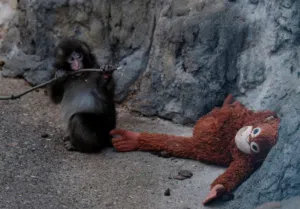
Consequently, caretakers incorporated containment elements. After trying towels and other toys, the IKEA Djungelskog plush toy proved decisive, offering him a tactile and emotional reference similar to the maternal figure.
Since then, the bond has become evident. Punch hugs and drags the doll around the enclosure’s mountain, using it as a refuge in stressful situations, demonstrating the importance of environmental enrichment strategies in socially vulnerable animals.
Why did the case go viral and what does it reveal about social sensitivity?
The story was amplified when the zoo itself promoted content on social media under the hashtag #HangInTherePunch. Thus, images of the little one with the plush toy sparked a wave of international support and increased its visibility.
Additionally, media like The New York Times spread the case, consolidating its global reach. The combination of tenderness, vulnerability, and resilience generated emotional identification in millions of people.
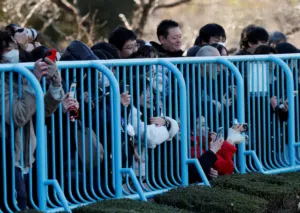
As a result, the zoo received about 8,000 visitors in one weekend, more than double the previous year. Simultaneously, demand for the plush toy increased in Japan, the United States, and South Korea, reflecting how an animal story can activate social and commercial circuits.
Animal welfare and future challenges
Beyond the virality, specialists emphasize that factors such as maternal inexperience and environmental stress can influence these behaviors. Therefore, close monitoring is key to avoiding physical and social consequences.
Likewise, recent advances show Punch resting and interacting with other macaques, signs of gradual integration. This progress demonstrates that respectful intervention can favor adaptation without forcing processes.
Ultimately, the case highlights the need to strengthen animal welfare policies and environmental education. Punch’s story not only moved the world but also reminded us that every individual matters within ecosystems, even in captive environments.



