



The new British regulation prohibits boiling live lobsters and grants legal protection to decapod crustaceans and toughens the penalties against mistreatment in the food industry.
The United Kingdom Government has taken a decisive step in the protection of marine fauna by officially banning the boiling of live lobsters, a measure that is part of a general tightening of animal welfare laws.
This regulation arises after the scientific recognition that these organisms have the biological capacity to experience pain and suffering, which forces the gastronomic and commercial industry to adopt slaughter methods considered more humane.
The reform, driven by the Department for Environment, Food and Rural Affairs (Defra), extends the legal coverage of the Animal Welfare Act 2022 to decapod crustaceans and cephalopod mollusks.
With this change, traditional practices in cooking —such as direct cooking without prior stunning or live dismemberment— are strictly prohibited in British territory, aligning the country with standards already in place in nations like Switzerland, Norway, and New Zealand.
Impact on the industry and new standards Emma Reynolds, Secretary of Environment, pointed out that the central objective is to implement a more rigorous regulation in sectors where current protocols are insufficient.
The Executive’s plan is not limited to restaurants, but also includes closer supervision over the breeding, transportation, and commercialization of various species, including pets, to ensure an effective application of the regulation.
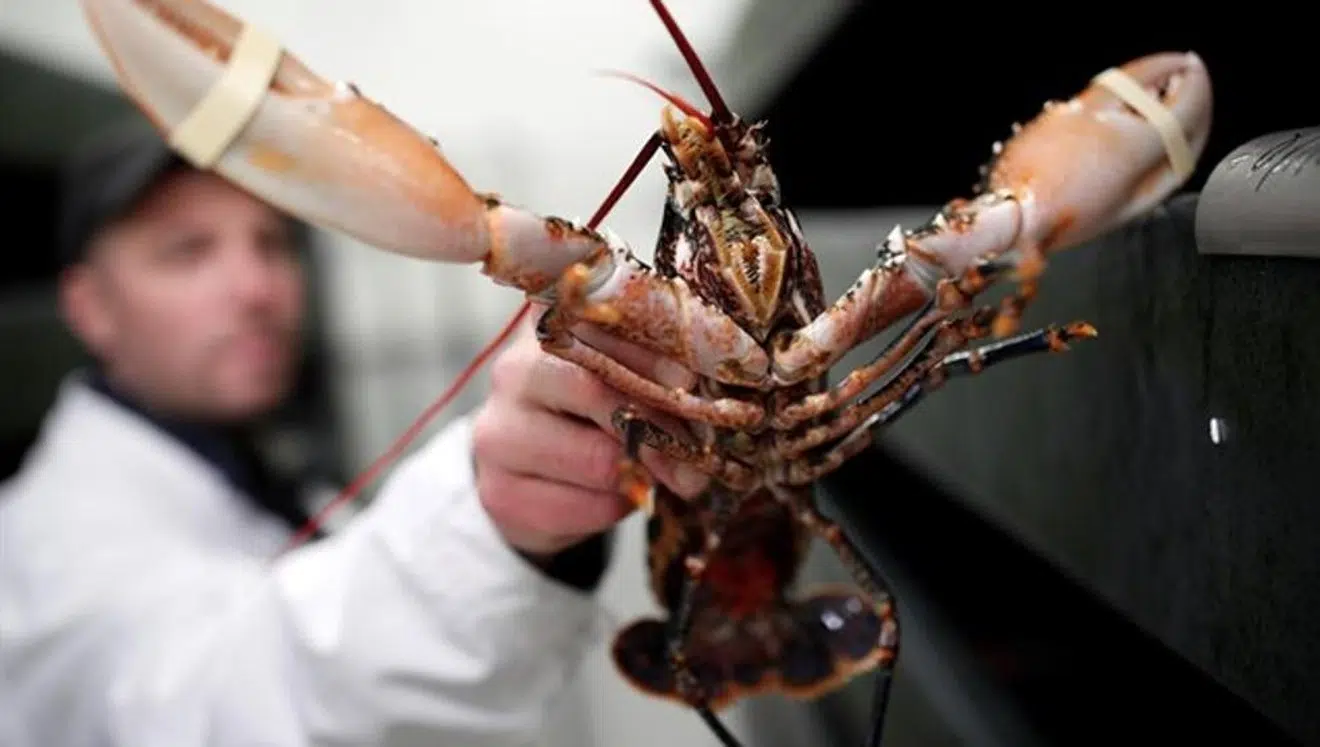
Reactions to the ban on boiling live lobsters
However, the decision has generated mixed reactions. While organizations in defense of animal rights celebrate the progress as an ethical milestone, representatives of the seafood and restaurant sector have expressed concern about the economic impact. Critics question the technical feasibility and the costs of implementing electric stunning equipment, the suggested method to replace the practice of boiling live lobsters.
With this measure, the United Kingdom seeks to establish itself as an international benchmark in animal welfare legislation, sending a clear message about the need to evolve food production methods towards practices that respect the sensitivity of all species involved in the consumption chain.

