



An operation by the National Customs Service of Chile thwarted an attempt to traffic birds at the border with Argentina in Mendoza.
They seized 50 chicks being transported from the province inside small juice boxes. The discovery is already in the hands of the Justice Department.
How was the operation at the border
The event unfolded when customs agents stopped a vehicle for a routine inspection. Suspicion arose when they found empty bird food containers in the car’s glove compartment. When the occupants could not provide an explanation, a more thorough inspection was carried out.
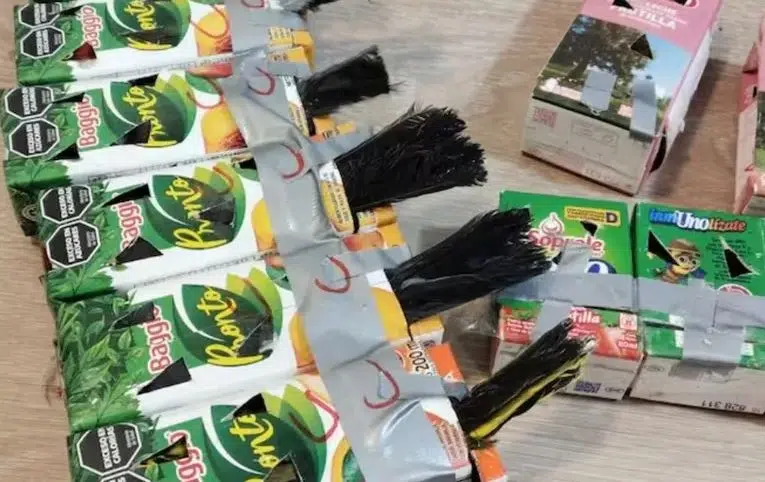 The attempted bird trafficking ended with several dead animals. (Photo: Sitio Andino).[/caption>
During the search, it was discovered that both passengers were carrying the birds hidden in their clothing. In total, 50 bird chicks were found, each tucked inside a small juice container.
Sadly, 17 of them had already died due to the precarious and extreme conditions of the transport. The two individuals were immediately arrested for the crime of wildlife trafficking.
This case highlights the constant threat of illegal animal trafficking to biodiversity and the need to continue efforts to control it at the borders.
Wildlife Trafficking: The Silent Threat That Endangers Over 140 Species in Argentina
The illegal trafficking of wildlife species continues to be one of the biggest threats to Argentina’s biodiversity.
Despite current laws, thousands of specimens are captured and sold clandestinely each year. The illegal trade generates millions of dollars and affects both animals and native plants.
Among the most affected species are iconic birds such as the yellow cardinal, toucan, and talking parrot, along with reptiles like the lampalagua boa and mammals like the caí monkey. Even precious woods and plants like orchids or cacti are targeted by trafficking.
This phenomenon not only jeopardizes species but also alters ecosystems. Each extraction weakens natural chains, favors habitat loss, and threatens public health by facilitating disease transmission.
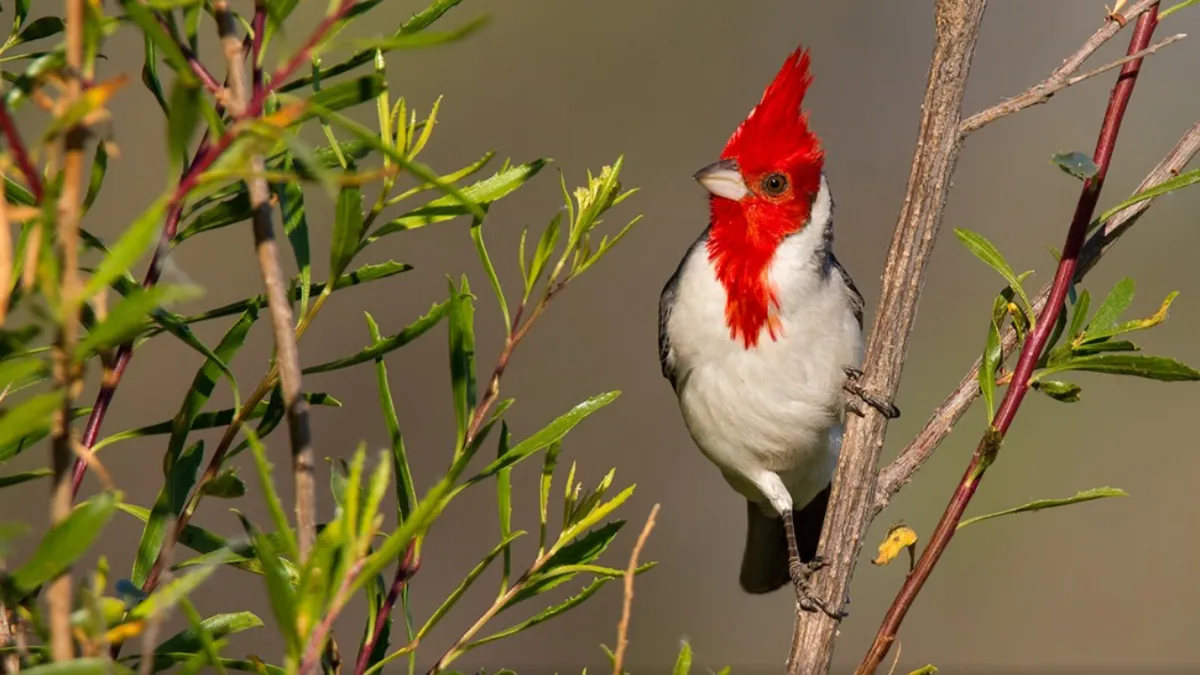 Birds are among the most common victims of wildlife trafficking.
It is important to know that wildlife trafficking is fueled by everyday practices such as buying souvenirs made from animal parts, plants, or woods. These actions, although seemingly harmless, support a market that pushes many species to the brink of extinction.



