



Tunisian customs authorities prevented the smuggling of ten pink flamingos, a protected species, at the border with Algeria. The animals, found in a van in Jendouba, were wrapped in fabric and adhesive tape inside boxes with hay.
According to the official statement, the birds will be released back into their natural habitat to ensure their protection. Experts warn that, in addition to illegal trafficking, flamingos are facing threats such as pollution, urban development, and climate change, which affect their wetlands.
These animals are legally protected and classified as an “endangered species” due to operations related to illegal hunting and trafficking.
Furthermore, human activities and increasing urban development are not the only threats to pink flamingos, as pollution, drought, and global warming also negatively impact their habitats, drying up the wetlands where they live.
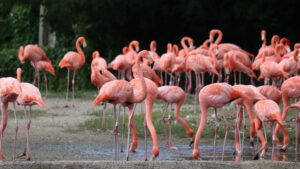
What are the main threats facing pink flamingos?
The main threats to pink flamingos are:
- Hunting: In ancient times, they were captured for food or to obtain parts for cooking, while nowadays hunting in breeding colonies can cause abandonment and loss of nests. Lead ammunition scattered in sediments poses a threat as it can be ingested by flamingos, leading to high mortality.
- Habitat loss: The construction of roads and highways makes flamingo habitats more accessible to people and predators, not to mention that urbanization eliminates significant parts of their habitats. They are also affected by mining and salt collection, economic activities that disturb them.
- Pollution: Water and air pollution can affect flamingos.
- Climate change: Rising temperatures in the atmosphere and oceans have reduced food sources for flamingos.
- Tourism: Excursions that get too close to colonies or land on the islands where they are located can cause problems, as well as low-flying planes over flamingos can also be problematic.
But there are other risks as well, such as egg collection and the irrigation of coastal deserts which have altered water levels in many flamingo habitats.
Have you checked out our YouTube channel? Subscribe now!


