



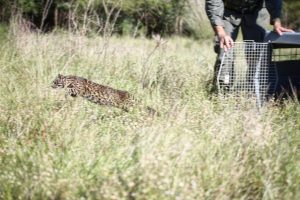
The appearance of two wildcats within just four days raised alarms in a city in Chubut where these felines are not usually seen. Surprised by the scene, neighbors immediately alerted the authorities, who acted quickly to capture them.
The specimens were rescued in different neighborhoods, and although they showed no signs of aggression, their presence in urban areas poses a risk for both them and people. The incident raised concerns among organizations dedicated to the conservation of native fauna.
From a specialized NGO, it was warned that the animals do not appear to have arrived on their own. Their unusual behavior, such as approaching windows or staring fixedly at people, raises suspicions that they may have been transported by humans.
This type of transport not only poses a threat to the animal’s integrity, but also violates environmental protection laws that prohibit the possession and transportation of wild species.

The presence of wildcats and the danger of altering their natural habitat
The wildcat is a native species that plays a fundamental role in the ecosystem. Their presence in urbanized areas may be related to habitat loss, illegal trafficking, or improper captivity.
Although it may look like a domestic cat at first glance, it is a wild animal with specific needs, and improper handling can create risky situations.
Authorities emphasized the importance of not trying to capture the feline if seen in public areas. The main recommendation is to immediately report to 103, the number for Civil Defense, so that trained specialists can intervene. Handling wild animals not only involves physical risks, but can also aggravate the animal’s stress, hindering their subsequent reintegration into nature.
The repeated appearance of wildcats in such a short time suggests that there may be more specimens circulating. Therefore, the rescue team insists on the need for citizen participation. Each report, sighting, or provided information can be key to preventing major damages, avoiding incidents, and preserving local biodiversity.
Responsible coexistence and environmental education
The situation highlights a growing problem: the lack of awareness about native fauna and human impact on ecosystems. Urbanization encroaches on natural territories, displacing species that end up exposed to hostile environments.
Furthermore, owning wild animals as pets remains an illegal but persistent practice that must be eradicated through educational campaigns and surveillance.
Promoting respect for wildlife also involves recognizing their value in freedom. Bringing these animals to urban spaces not only violates their rights, but also poses a risk to the community.
Protecting native fauna is a collective task. Acting responsibly, reporting suspicious activities, and disseminating information are essential steps to build a more harmonious and respectful coexistence with the natural environment.



