



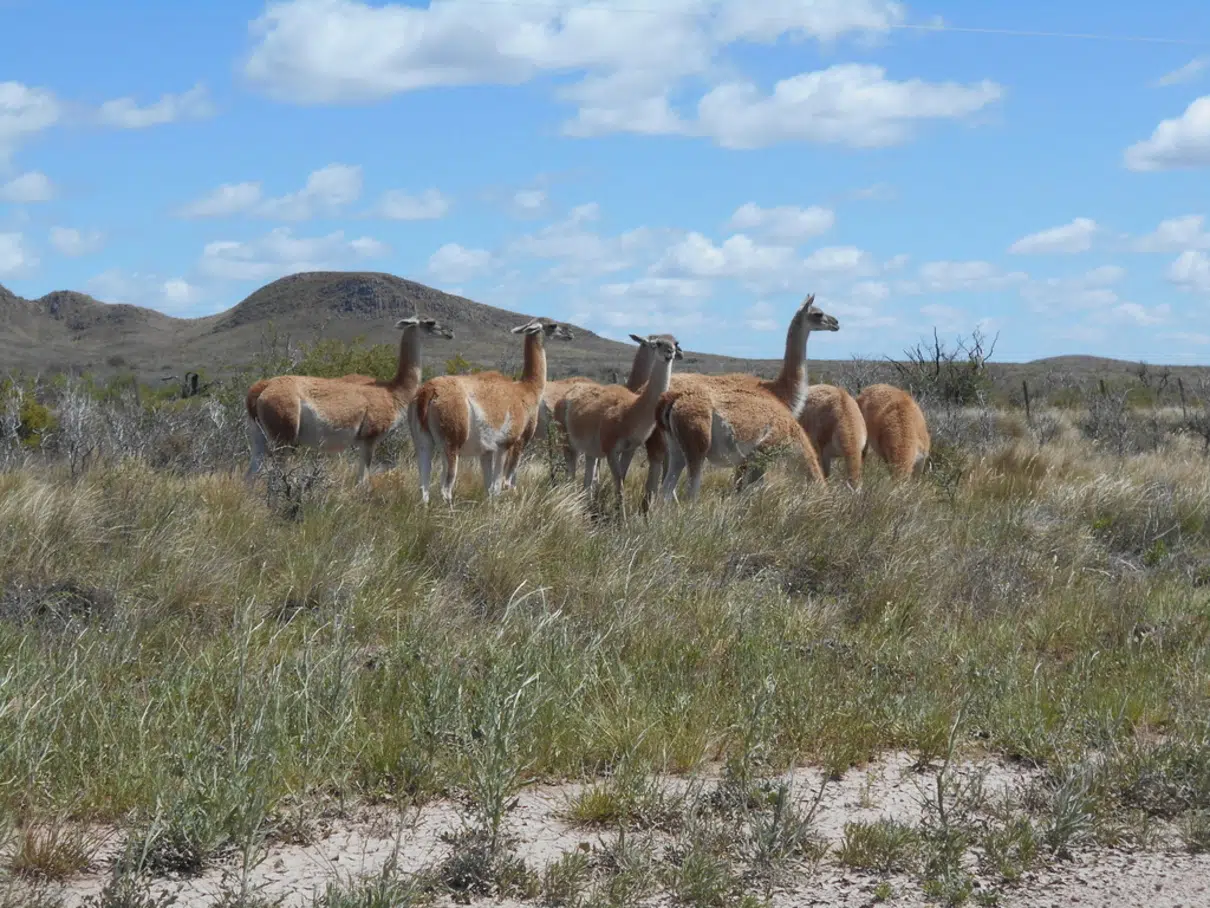
With the transfer of 16 guanacos from the El Trapiche de Longotoma estate to three nature sanctuaries in the Metropolitan Region, Chile began an unprecedented process of repopulation of native fauna in the central mountain range.
The goal is to reintroduce this key species into its original habitat and restore the ecological dynamics of mountain ecosystems.
Ecological restoration and strategic conservation
The project aims to recover wild populations and strengthen binational biological corridors.
The initiative is part of a program of planned releases that complements the natural growth of guanaco populations in the region, where it is estimated that only 300 isolated individuals remain.
The approach is based on the concept of rewilding, which promotes the active recovery of ecosystems through the management of native species.
“Guanacos play a fundamental role in the conservation of high Andean meadows, grasslands, and wetlands,” said Benito González, a scholar at the University of Chile.
Reproduction centers and specialized care
The animals will be grouped into herds and monitored in protected habitats.
The guanacos were distributed in three sanctuaries: San Francisco de Lagunillas, Cascada de las Ánimas, and Santuario El Plomo, where breeding centers with specialized infrastructure will be installed. It includes:
- Perimeter fences and nurseries
- Surveillance cameras and scientific monitoring
- Trained caregivers and protocols for threats such as dogs, pumas, and foxes
A founding nucleus for long-term conservation
The guanacos donated by Sopraval form the initial base of a recovering population.
“These 16 guanacos will be part of the founding nucleus of a long-term conservation program,” explained Cristián Saucedo, director of Wildlife at Rewilding Chile Foundation.
The project contemplates that, in the medium term, the animals can recolonize historical areas and use natural corridors that connect the Chilean mountain range with protected areas in Argentina, such as Volcán Tupungato and Laguna del Diamante.
Collaboration network and institutional support
Universities, foundations, municipalities, and public agencies are coordinating efforts for restoration.
The initiative is driven by the University of Chile, the Sanctuary Network of the Metropolitan Region, Rewilding Chile Foundation, and the Regional Government of Santiago, with the support of Conaf, SAG, the Ministry of Environment, and tourism chambers. The involved sanctuaries are part of a network that protects 7% of the regional surface area.
“This is a decisive step to prevent the local extinction of the guanaco and restore its ecological role,” stated Sara Larraín, president of the Sanctuary Network.
A key species for ecological balance
The guanaco is the largest terrestrial mammal in Chile and its presence benefits other emblematic species.
Historically, the guanaco inhabited from northern Peru to Tierra del Fuego, with populations that could have reached up to 50 million individuals.
Today it is estimated that 600,000 remain throughout the continent, mainly in Argentina. In Chile, there are 66,000 individuals surviving, mostly in Magallanes.


