



Every June 19th, the World Albatross Day is celebrated, a key date to raise awareness about the ecological importance of these majestic seabirds.
Furthermore, it aims to reflect on the threats that jeopardize their survival.
In Argentina, the work of the Coastal Team of Marine Fauna and Environment Observers (ECOFAM) stands out as an essential initiative that combines science and community commitment to protect the fragile ecosystems of the Argentine Sea.
Albatrosses, guardians of the endangered ocean
The albatrosses are large seabirds, with a wingspan that can exceed three meters.
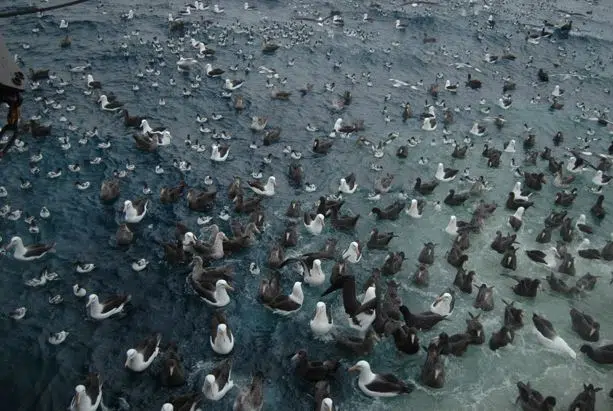 This is how albatrosses are. (Photo: Aves Argentinas).
These birds undertake extensive journeys without touching land for years, thanks to a technique called dynamic soaring, which allows them to effortlessly glide over oceanic air currents. However, their future is at risk.
Industrial fishing and invasive species represent the main threats to these birds. Every year, thousands of albatrosses, petrels, and shearwaters die due to incidental capture in fishing nets or the action of exotic species affecting their nesting areas.
ECOFAM: volunteer action for marine conservation
In this context, the ECOFAM program, driven by the citizen science approach, plays a fundamental role. Along the Argentine Atlantic Coast, volunteers walk the beaches to record stranded or dead marine fauna, including birds, turtles, and marine mammals.
These records, accompanied by photos and measurements, are integrated into scientific databases to monitor the state of marine ecosystems.
“We walk along the beach and gather data with measurements and photos of the fauna that washes up lifeless on the coast. We contribute further to science, we are like the eyes of scientists,” they relate from the different ECOFAM nodes.
Each finding represents a key piece for scientific research, allowing the identification of patterns, assessment of threats, and design of more effective conservation strategies.
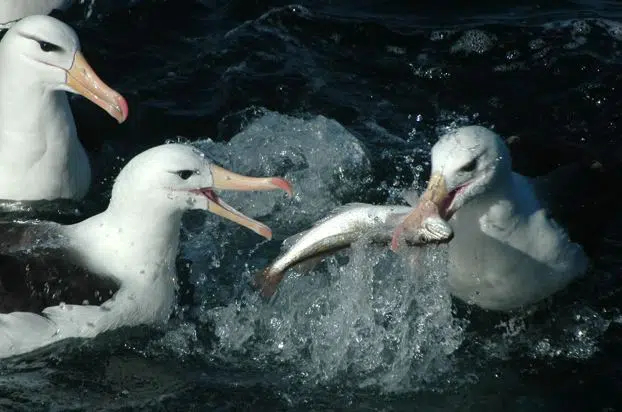 The role of albatrosses.
Thanks to the commitment of ECOFAM volunteers, not only is the production of knowledge about marine biodiversity strengthened, but also a direct connection between society and nature is fostered. This active participation of citizens in scientific research promotes a local and collaborative approach to marine protection.
Protecting albatrosses means protecting the oceans
On this World Albatross Day, the invitation is to learn more about these species and join initiatives that promote their conservation. Albatrosses are more than majestic birds: they are key indicators of ocean health and ambassadors of the urgent need to protect our seas.
How to join
ECOFAM is already a network with 9 coastal nodes strategically distributed from the province of Buenos Aires to Tierra del Fuego, including locations like Pinamar, Mar del Plata, Necochea, Las Grutas, and Ushuaia.
If you live near the coast, you have an opportunity to be part of this important initiative. Contact [email protected] for more information.


