



Solar energy is advancing at a rapid pace and is already changing the terrestrial landscape. Its expansion can be observed from space with unprecedented detail. Much of this global radiography comes from platforms that analyze satellite images using artificial intelligence.
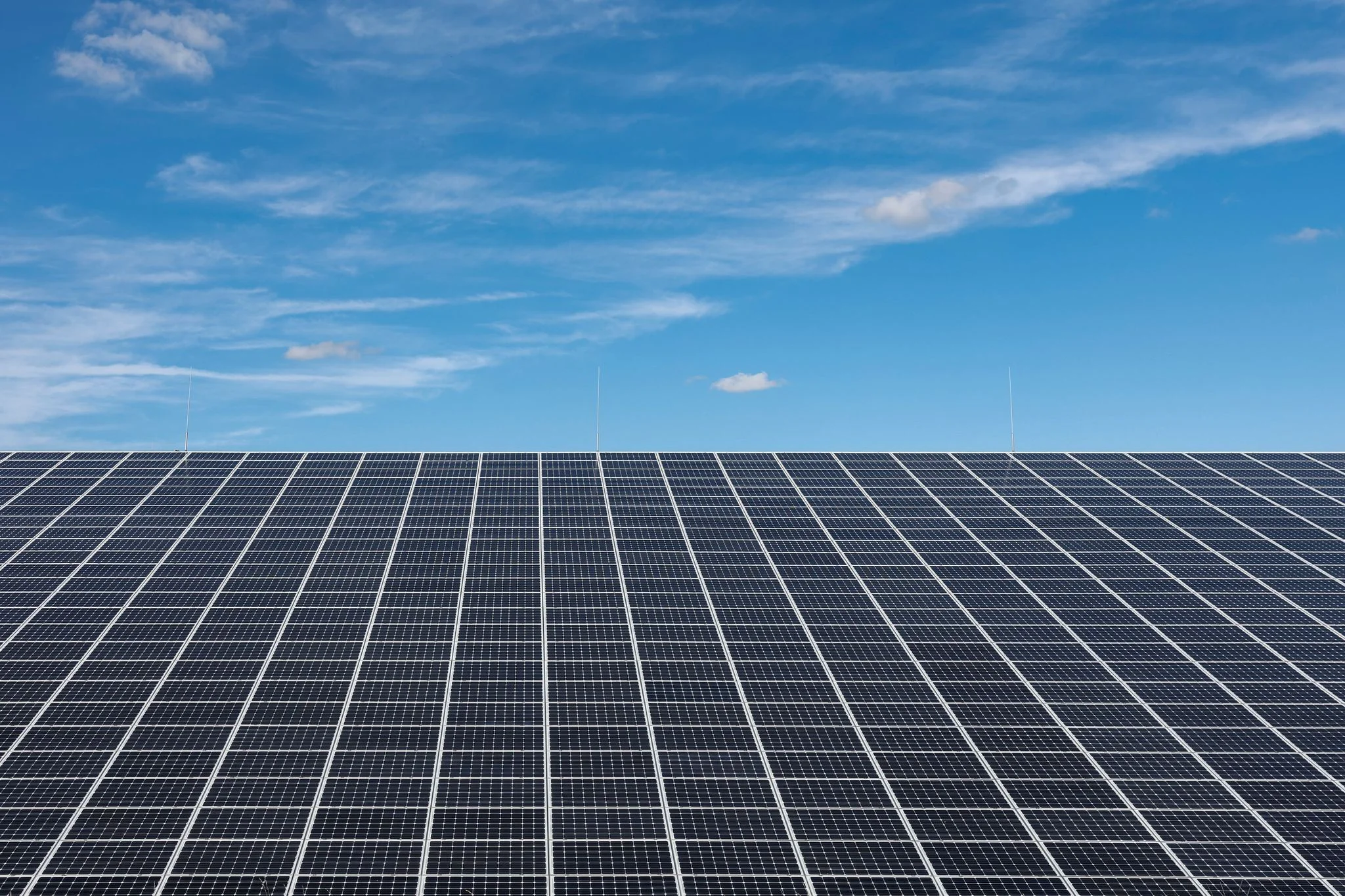
Global Renewables Watch identifies panels in any region of the planet and allows for measuring their growth. Currently, more than 14,500 square kilometers are covered by photovoltaic installations. This area is equivalent to a small country and extends from Atacama to the high valleys of Tibet.
Installed solar power has tripled in just seven years. China leads by far, followed by the United States and India. New players are also emerging with explosive advances in a very short time.
A growth that is already global
The increase in solar macroplants explains much of the recent leap. These installations concentrate huge areas of panels and contribute more than half of the new global capacity. Their energy and territorial impact is increasingly visible.
Countries like Mexico, Brazil, Vietnam, or Poland have multiplied their capacity tenfold since 2017. This momentum is redefining the global energy map and decentralizing technological leadership. Each continent now shows regions advancing at their own pace.
Spain is one of the most notable cases in Europe. It has tripled its capacity since 2017 and is concentrating its expansion in the southern peninsula. Extremadura, Andalusia, and Murcia lead the growth, while Aragon records an extraordinary leap.
Potential and inequality in solar distribution
The place with the most radiation is not always the one that installs the most panels. Namibia, with perfect conditions, still has little solar infrastructure. In contrast, Ireland —with scarce radiation— has much greater capacity.
This shows that solar development depends as much on the climate as on public policies. Investments, incentives, and energy planning set the real pace of expansion. The result is a global map that combines natural potential and strategic decisions.

The beginnings of solar energy
The history of solar energy began with scientific discoveries in the 19th century. It was the observation of the photovoltaic effect that allowed imagining the conversion of light into electricity. The first solar cells emerged in the mid-20th century, with very limited efficiency.
For decades, its use was mainly experimental or spatial. Satellites depended on solar panels when other sources were not viable. That was the first field where the technology demonstrated its real value.
Over time, research improved efficiency and reduced production costs. The market began to consider solar energy as an alternative for isolated regions. This scenario paved the way for its commercial expansion.
Factors driving its current boom
Technological advancement drastically reduced the price of panels. Their large-scale manufacturing allowed many countries to access this energy. Today, solar is one of the cheapest sources in the world.
Climate policies also marked a turning point. The need to reduce emissions accelerated investments and regulatory frameworks. Many governments adopted energy transition goals that prioritize renewables.
The global energy crisis reinforced the appeal of self-generation. Companies and households seek to reduce costs and depend less on fossil fuels. This behavior has driven the massive installation of rooftop panels and large solar parks.

Environmental benefits of solar energy
Solar energy does not emit greenhouse gases during its generation. This helps reduce pressure on the climate and decreases dependence on fossil fuels. It is one of the most effective tools to curb global warming.
It also does not produce noise pollution or toxic emissions. Its installation and operation require less impact than other energy infrastructures. Moreover, it can be integrated into urban spaces without altering their daily functioning.
Solar contributes to diversifying the energy matrix. This strengthens resilience against supply crises and boosts local economies through green jobs and new technological developments.



