



The First Conference on the Transition of Fossil Fuels, co-organized by Colombia and the Netherlands, was established as one of the most promising outcomes of COP30. The goal is to advance towards renewable energies as the most effective way to ensure energy security and economic stability.
The volatility of fossil markets has shown that dependence on oil and gas threatens both family budgets and global security.
The role of cities
Cities account for 75% of global energy emissions and are the most affected by the cost of living, pollution, and climate impacts. Therefore, their action is key:
- London: largest clean air zone in the world.
- Melbourne: supplies 100% of municipal operations with renewable energy.
- Curitiba: solar energy in public buildings reduces bills by 30%.
- Johannesburg: $140 million green bond finances energy efficiency projects.
- Warsaw: support for low-income households for clean heating.
- Bogotá: first low-emission zone (ZUMA) in vulnerable neighborhoods, benefiting 40,000 people.
Green jobs and inclusion
The energy transition also poses a labor challenge. According to C40, cities in Colombia and Brazil may need up to 6 million additional workers by 2040 in sectors such as transportation, construction, and waste. Therefore, local governments are working with unions and industry to train workers in emerging areas such as solar energy, electric vehicles, and sustainable construction.
Currently, more than 21 million green jobs exist in C40 cities, and it is estimated that 4 out of 10 jobs will be green by 2040.
Benefits of the transition
- Public health: could prevent more than 776,000 premature deaths by 2050.
- Economy: prevents losses of trillions in healthcare costs.
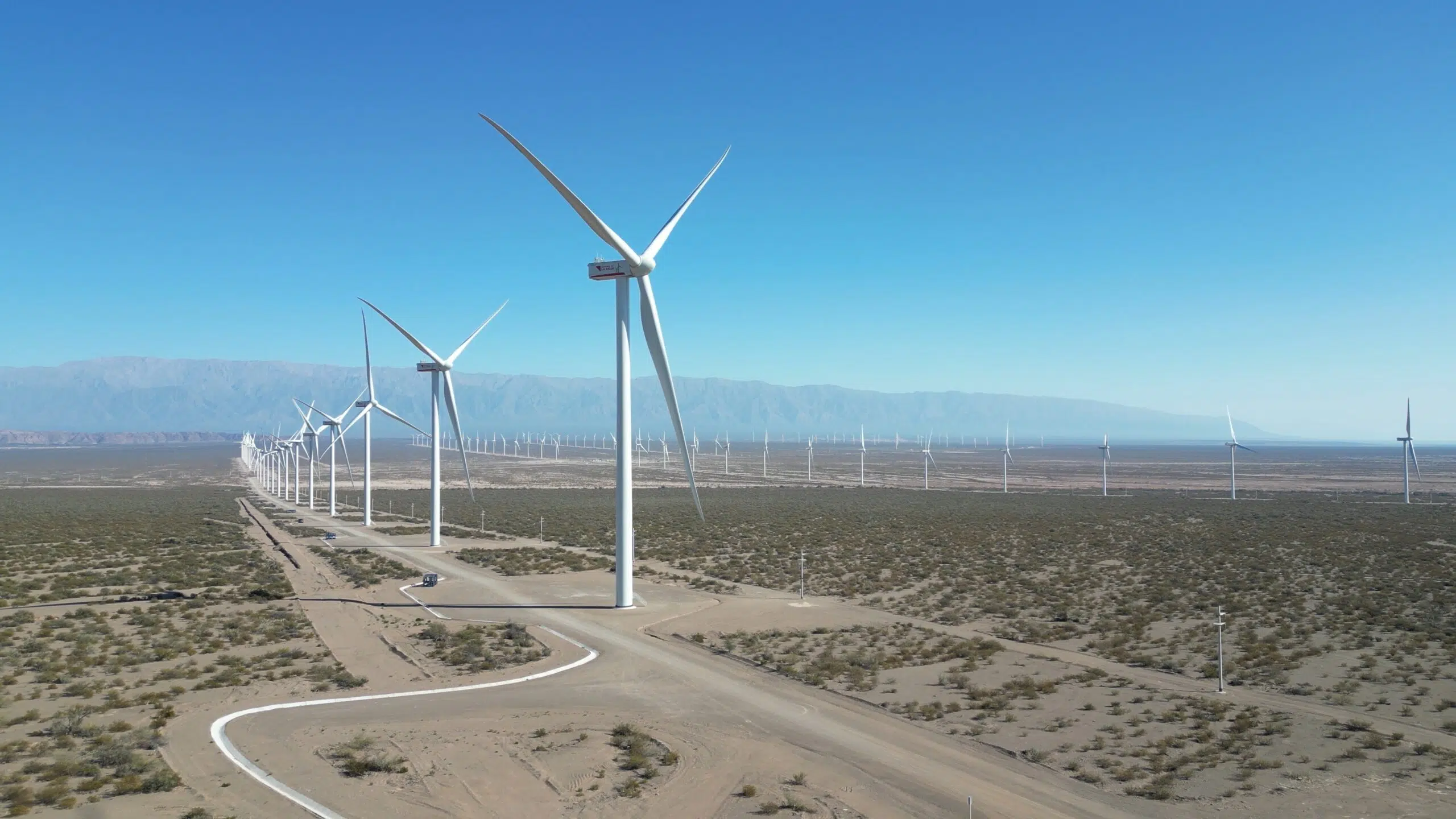
- Environment: solar and wind energy cost at least 50% less than new fossil plants.
- Global potential: 92% of countries have renewable capacity ten times greater than their current demand.
Voices of leaders
- Irene Vélez Torres (Colombia): “The transition is not only necessary, it is an opportunity to build a fairer and more resilient future.”
- Stientje van Veldhoven (Netherlands): “Cities are essential partners: innovation happens there and people experience the benefits.”
- Geordin Hill-Lewis (Cape Town): highlighted energy diversification as key to security.
- Pabel Muñoz (Quito): emphasized that clean energy is essential for a fair future.
- Sakaja Arthur Johnson (Nairobi): highlighted the impact on public transport and employment.
- Haris Doukas (Athens): emphasized the fight against energy poverty and cleaner air.
The conference reaffirms that the energy transition is a global process but with local roots. Cities are demonstrating that moving beyond fossil fuels is not only possible but is already happening. With the support of national governments and adequate investment, the goal of halving fossil use by 2030 and tripling renewable capacity by 2030 is achievable.



