



As an innovation in renewable energy matters, they developed drones that generate energy while flying. They are much larger than conventional ones, as they measure about 12 meters.
The creation belongs to a US startup. The devices fly in figure-eight patterns and generate enough to power a home for a day.
Drones that generate energy while flying: how the innovation works
The startup, called Windlift, promises with this technology to reduce the cost of wind energy generation by 80% and material costs by up to 95%, compared to traditional methods.
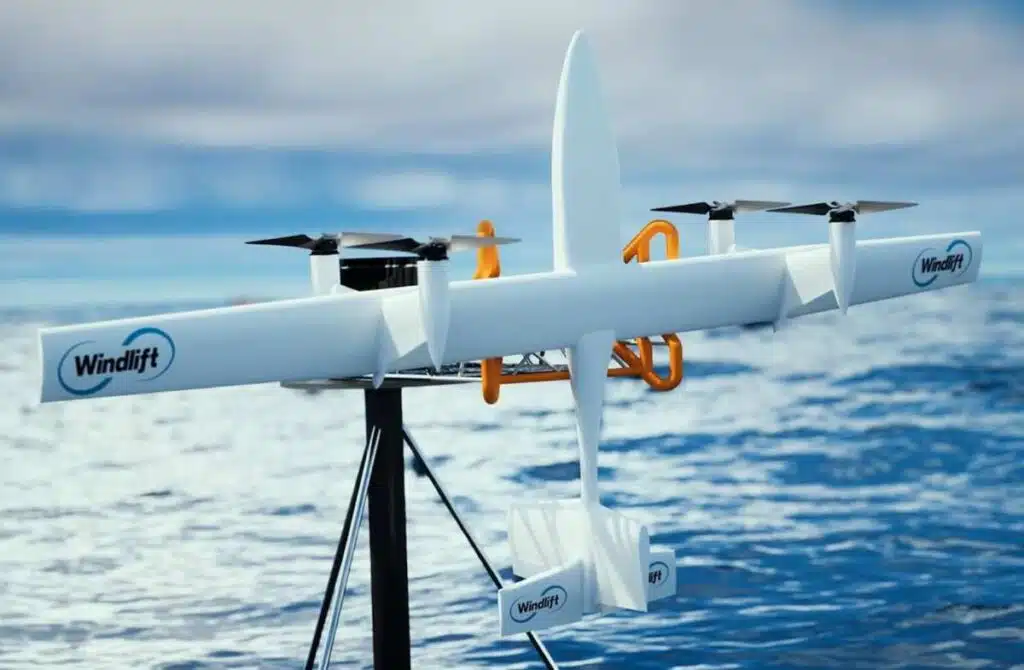 The Windlift drones.
They aim to overcome the challenges of traditional wind generation through lighter, transportable, and lower-cost systems.
Considering the global situation and the necessary energy transition, betting on wind energy is a priority. In 2023 alone, it represented approximately 7.8% of global electricity.
Some countries, such as Denmark (58%), Uruguay (43%), and Ireland (35%), have shown strong leadership in their investment. However, the levelized cost of energy (LCoE) remains a challenge.
Drone characteristics
- Tethered drones generate electricity by flying in a figure-eight pattern.
- Less expensive than traditional wind turbines (up to 80% less).
- Lightweight and transportable system, ideal for remote areas.
- Capable of generating 30 kWh, enough to power an average home.
- Project funded with US$30 million by the US Department of Defense.
- Development of a 75 kWh model with 12.2m wings.
- Sustainable and efficient alternative to conventional wind power.
Latin America: Uruguay, among the top five
Uruguay is a pioneer in renewable energy and confirmed this by ranking fourth worldwide in wind and solar power generation, surpassed only by Luxembourg, Denmark, and Lithuania, according to a report by SEG Ingeniería based on UTE and Our World in Data data.
With a 48% share, the country positioned itself as the best in Latin America in the field, mainly thanks to wind energy development, in a ranking where the only other country in the region is Chile, with 32%.
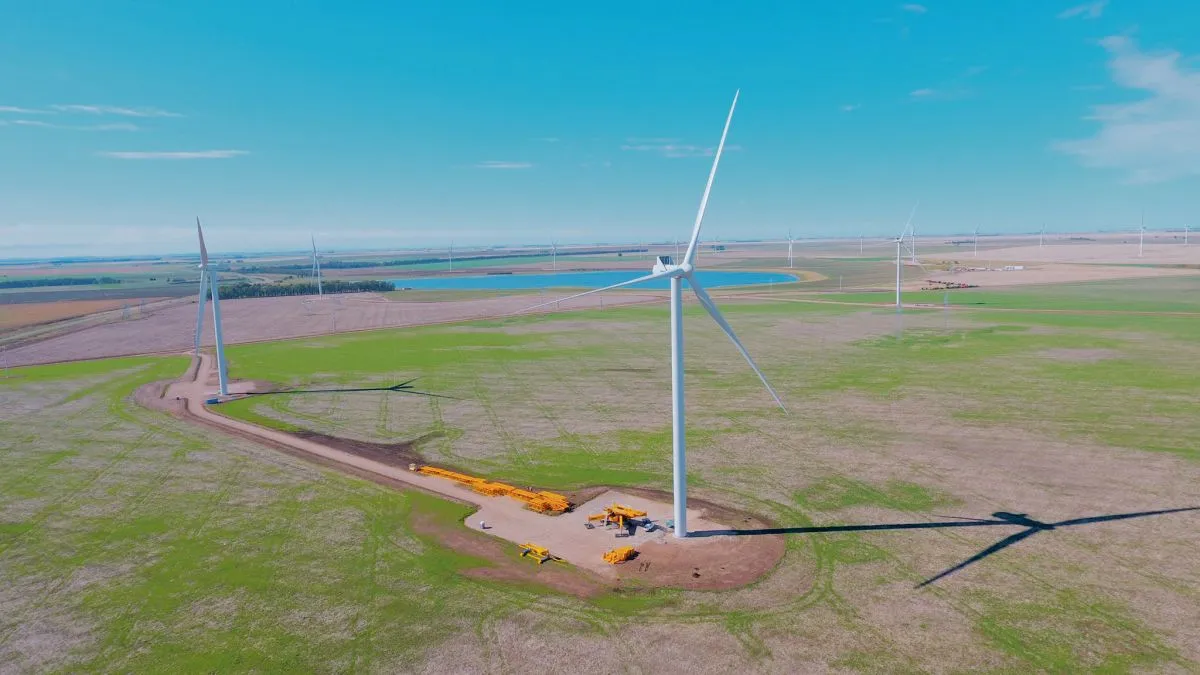 Wind energy.
Despite its prominent position, Uruguay is far from the top three, with Luxembourg (68%) leading the way, closely followed by Denmark (67%), and a bit further behind Lithuania (57%).
Completing the Top 15, in addition to Chile, countries like Greece, Netherlands (both 41%), Spain, Portugal (40%), Germany, Namibia (39%), Ireland (37%), UK (33%), Australia (29%), and Belgium (28%) are included.
Have you checked out our YouTube channel? Subscribe now!



