



The use of air conditioning increases significantly during the hot season and, with it, electricity consumption in homes also rises. In a context of extreme temperatures and rising energy demand, choosing the right setting can make a difference in family economy and environmental footprint.
Although many users opt for standard or automatic modes, modern equipment offers alternatives that allow reducing expenses without sacrificing comfort. Among them, the ECO mode has become one of the most efficient tools to moderate the use of the device.
This function adjusts the operation of the equipment to optimize the available energy and avoid waste. This reduces the pressure on the electrical system and contributes to a more responsible consumption.
In a context of climate crisis, adopting technologies for rational energy use is key to reducing emissions and promoting more efficient homes.
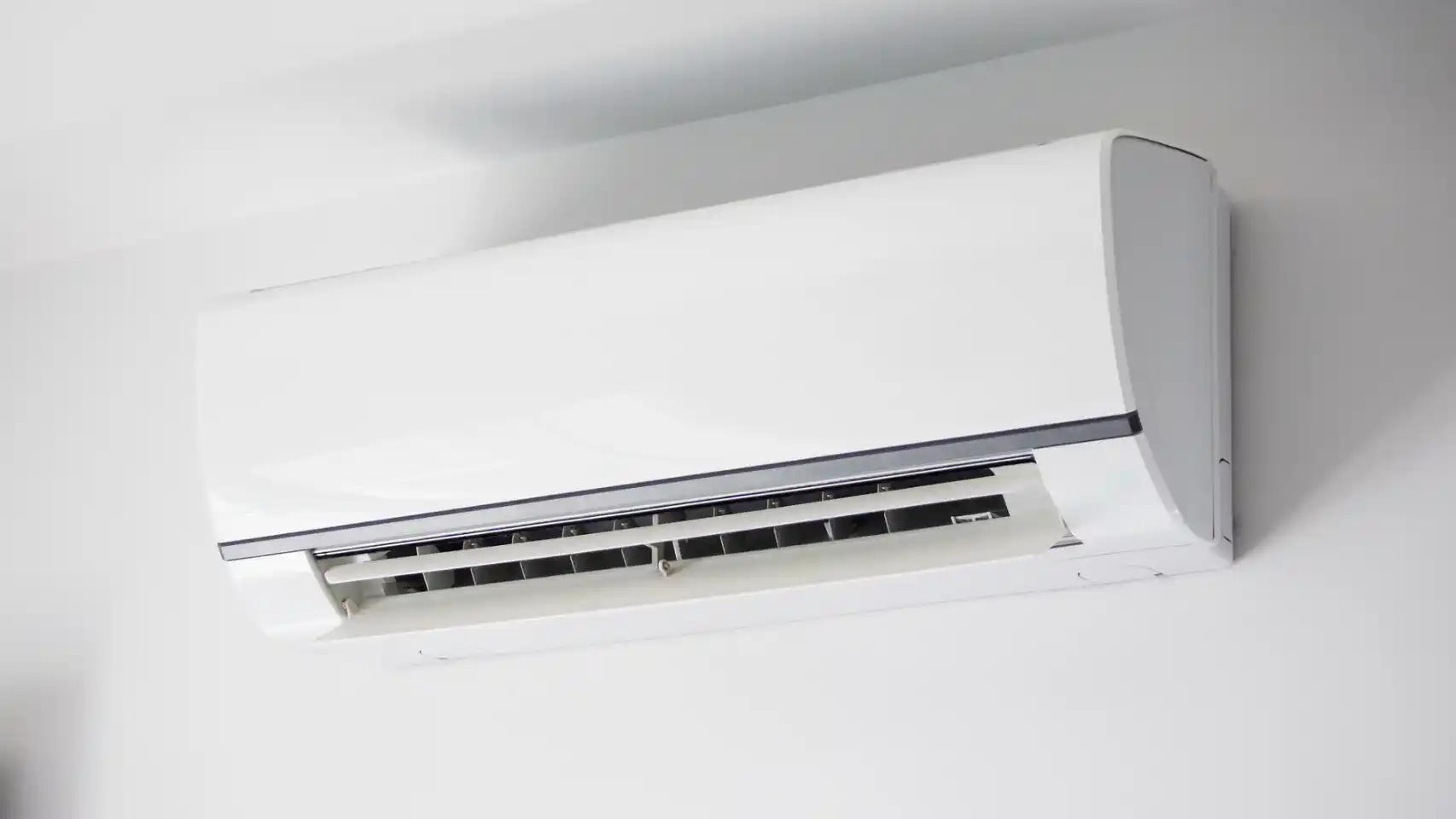
Why ECO mode is the most efficient option
The ECO mode regulates the compressor’s power and maintains a stable temperature without demanding energy peaks. By avoiding sudden efforts, the equipment works continuously but less demandingly, resulting in a more balanced use.
This operation can reduce consumption by up to 30% compared to traditional modes. The efficiency lies in maintaining a pleasant climate without forcing the device or requiring sudden coolings.
Moreover, the thermal stability reduces the need for constant adjustments, benefiting both comfort and consumption. For households, this translates into lower bills and a more sustainable daily use.
The ECO mode also helps reduce overall energy demand, a key aspect for reducing emissions associated with electricity generation.
Additional advantages for the home and the environment
Operating at lower power extends the lifespan of the air conditioner, as it reduces compressor wear and minimizes the risk of failures. This means fewer repairs and less generation of electronic waste.
The absence of sudden changes in temperature creates thermally more pleasant spaces, ideal for prolonged periods of use. Although the initial cooling may take longer, once stabilized, the environment remains cool without excessive consumption.
From an ecological point of view, the ECO mode helps reduce the carbon load associated with the use of air conditioning, one of the sectors with the highest energy increases during the summer.
Limitations and when it may not be enough
The main limitation of the ECO mode appears on extremely hot days or in spaces that have accumulated heat for several hours. In those cases, it may take longer to reach the desired comfort and temporarily require another more powerful mode.
The real efficiency also depends on the insulation of the home. If there are air leaks or walls exposed to the sun, the device will have to work harder, even in ECO mode. The correct installation of the equipment and regular maintenance directly influence its performance.
Even so, its continuous use presents a sustained reduction in expenses, especially when combined with good air conditioning practices.
Other modes available in air conditioners
In addition to the ECO mode, modern equipment includes settings designed for different times of the day. The Auto mode regulates power according to ambient temperature, while Cool prioritizes fast and constant cooling.
The Fan mode only moves air without cooling, being useful when ventilation is required without large consumption. Meanwhile, the Sleep mode gradually adjusts the temperature during the night to balance comfort and efficiency.
Selecting the appropriate mode for each situation can reduce the home’s energy impact.

Additional tips for saving energy when using air conditioning
Efficient use does not depend solely on the ECO mode. There are complementary practices that improve performance and reduce consumption:
- Maintain a temperature between 24 °C and 26 °C to avoid unnecessary efforts by the equipment.
- Close doors and windows to prevent cold air leaks.
- Use curtains or blinds to block external heat.
- Clean filters every 30 days to ensure optimal airflow.
- Combine air conditioning with fans, which help distribute the cold and allow reducing power.
- Program automatic shutdown during rest or absence hours.
- Check the installation to ensure there are no refrigerant gas leaks.



