



The robotaxis, also known as autonomous taxis, have ceased to be a futuristic idea to become an expanding reality. Companies like Waymo and Tesla are leading this technological change.
In this context, projections from Morgan Stanley bank estimate that around 15 million trips in the United States will be made this year. Additionally, an exponential growth towards 2030 is expected.
However, this advancement was not immediate. During the 2010s, multiple startups drove the development, although many disappeared due to high costs and regulatory obstacles.
How do autonomous taxis operate?
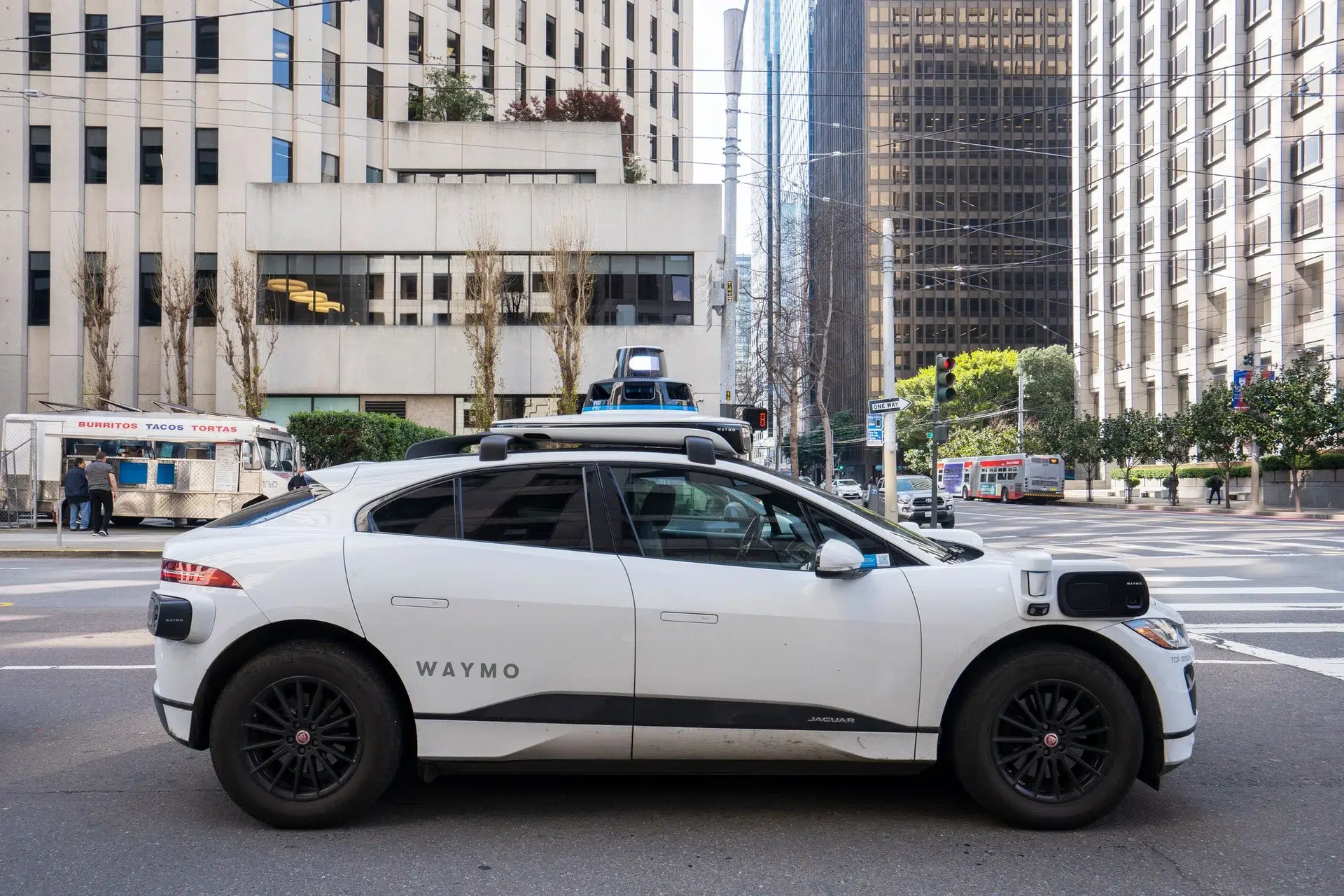
The operation of robotaxis combines artificial intelligence, sensors, and high-precision digital maps. For example, Waymo uses detailed mapping to record streets, signals, and lanes before operating in a city.
Likewise, these vehicles integrate real-time data to locate themselves and react to the environment. In this way, they can move even in the event of failures in traditional positioning systems.
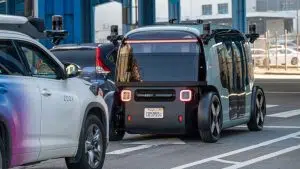
On the other hand, Tesla models, like the Cybercab, do away with steering wheels and pedals. Consequently, they rely on total automation based on cameras and learning algorithms.
Safety and evolving regulation
Safety remains one of the main axes of the debate. According to recent studies, robotaxis register fewer accidents per kilometer than vehicles driven by people in similar conditions.
However, there are still limitations in the available information, as not all companies publish complete data. Therefore, the analysis continues to be partial.
In turn, the systems face challenges in complex scenarios, such as adverse weather conditions. For this reason, authorities are advancing stricter regulations to ensure their safe operation.
New regulations for an emerging technology
In states like California, regulations began to adapt to this innovation. Currently, autonomous vehicles can be sanctioned for traffic violations.
Consequently, responsibility falls directly on the manufacturers, equating them with human drivers. This measure seeks to strengthen control over the technology.
Additionally, the regulations include more demanding supervision and safety requirements. In this way, it attempts to accompany the growth of the sector with adequate legal frameworks.
The environmental and urban benefits of robotaxis
The implementation of robotaxis could generate positive impacts on the urban environment. Firstly, by optimizing routes and reducing human errors, they decrease fuel consumption and emissions.
Likewise, many of these vehicles are electric, which contributes to improving air quality in cities. Consequently, levels of atmospheric pollution are reduced.
On the other hand, the shared use of these services can reduce the number of cars in circulation. In this way, it alleviates congestion and the intensive use of urban space.
A future under construction
As technology advances, robotaxis could fully integrate into everyday life. However, their adoption will depend on public trust and effective regulations.
In this sense, autonomous mobility represents an opportunity to rethink transportation from an ecological perspective. Therefore, its development could contribute to more sustainable cities.
Finally, the challenge will be to balance innovation, safety, and environmental care. Thus, robotaxis could become a key piece in the transition towards more efficient mobility systems.



