



Hydrogen gained prominence as a pillar of the energy transition, but new evidence shows that its atmospheric accumulation is not neutral. In recent decades, global emissions have grown steadily, linked to human activities and industrial processes.
Although it is not a direct greenhouse gas, its behavior in the atmosphere generates indirect effects that accelerate global warming. The challenge is not only to produce it but also to prevent it from being lost along the way.
The environmental debate today focuses on how to harness its potential without exacerbating other existing climate problems.

How hydrogen amplifies the effect of methane
One of the main concerns is its interaction with methane, one of the most potent gases for retaining heat. Hydrogen reduces the atmosphere’s natural capacity to degrade methane, prolonging its presence.
This mechanism creates a vicious cycle: more methane generates more hydrogen and, in turn, more hydrogen allows methane to last longer. The result is accelerated warming, especially in the short term.
Additionally, these reactions promote the formation of ozone and water vapor in the upper layers of the atmosphere, altering clouds and climatic balances.
Human sources and an upward trend
Since the pre-industrial era, hydrogen concentrations have increased significantly, driven by the burning of fossil fuels, intensive agriculture, and industrial production. After a brief stabilization, growth resumed in the last decade.
Leaks in production, transportation, and storage account for much of the problem, as hydrogen is extremely light and difficult to contain. This is compounded by the atmospheric decomposition of methane, which is increasingly abundant.
Natural sources, such as forest fires, vary year by year but do not show a sustained trend comparable to human origin.
Environmental benefits of a well-managed energy promise
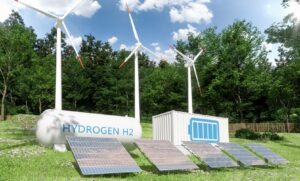
When produced with renewable energies and its release is controlled, hydrogen can significantly reduce carbon dioxide emissions. It is key to decarbonizing difficult sectors, such as heavy industry and long-distance transport.
It also allows for the storage of renewable energy and balancing of electrical systems based on sun and wind. Its proper use can accelerate the exit from fossil fuels and improve urban air quality.
In a scenario of strict control, hydrogen remains a valuable tool for meeting climate goals.
The cons and the challenge of its responsible use
The main environmental risk is leakage, which multiplies indirect impacts on the climate and reinforces the effect of methane. Without strict regulations, its expansion could generate energy benefits at the cost of hidden climate damage.
Current infrastructure is not designed to prevent large-scale losses, requiring more demanding investments and standards. Additionally, producing hydrogen without renewable sources maintains dependence on fossil fuels.
The future of hydrogen will depend on a delicate balance: reducing methane, sealing leaks, and prioritizing a truly sustainable development.



