



In recent years, the adoption of solar panels in agriculture in Pakistan has led farmers to reduce their energy costs.
Mohammad Murtaza, a corn farmer and a prominent example of how the use of solar panels can reduce energy costs by up to 80%. By replacing the use of diesel and grid electricity with solar panels in his irrigation pumps, Murtaza managed to recoup his investment in less than a year.
## How solar panel imports helped reduce energy costs
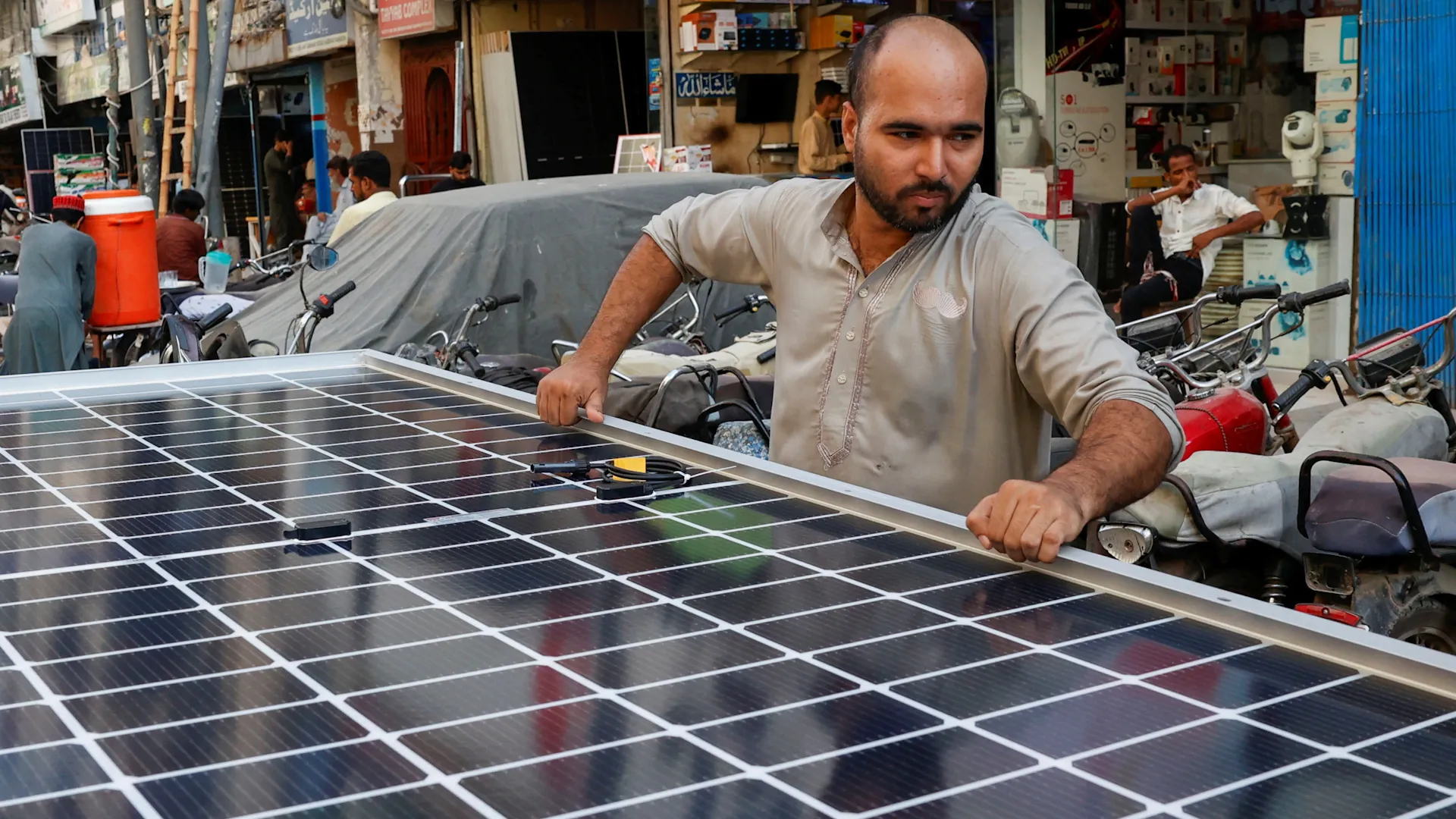
Solar panel imports in the first nine months of 2023 have surpassed the figures for the entire previous year, representing an installed capacity equivalent to 17 gigawatts.
This figure equals more than a third of the country’s total energy capacity. The accessibility and visibility of solar panels have also increased, highlighting the advantages of this technology.
A satellite analysis conducted by Norwegian Atlas identified nearly 400 solar installations throughout Pakistan, with a high concentration in industrial areas.
However, distributors report that these installations are equally distributed among homes, factories, and agricultural lands. This diversified use indicates that the technology is creating a national impact.
## Rapid development without government subsidies
The solar boom in Pakistan has been achieved without government subsidies, something uncommon in other developing countries. The drop in solar panel prices has been so significant that some farmers now place the panels directly on the ground.
This cost reduction has allowed Pakistan to set ambitious goals, such as doubling the proportion of renewable energy in its energy matrix, reaching 60% from renewable sources by the end of the decade.
## Implications for sustainability and the fight against climate change
The massive adoption of solar energy in Pakistan transforms the agricultural and energy economy and significantly contributes to reducing greenhouse gas emissions. By replacing diesel and other fossil fuels, the country is moving towards a more sustainable model that could serve as an example for other developing nations.
The transition to solar energy in Pakistan is a success story in sustainability and economic resilience, driven by technological innovation and the need to address the challenges of climate change. This case demonstrates that even in challenging contexts, renewable energies can be a viable and transformative solution.
Have you visited our YouTube channel yet? Subscribe now!



